

Best Crypto Trading Apps in Pakistan
Looking for the best crypto trading app in Pakistan? Discover key features, security tips, currency options, fees, and user experience insights to trade smartly 📱💰
Edited By
Amelia Clarke
Trading cryptocurrencies isn't a walk in the park, especially in markets as wild and changeable as those in Pakistan. Prices can swing on a dime, leaving traders scrambling to make sense of what's happening. That's why relying on the right indicators is more than just helpful—it's essential.
This guide cuts through the noise, laying out the most effective crypto trading indicators used by pros and newcomers alike. You'll learn how to read these tools, what they signal, and importantly, their limitations, so you don't get caught out. Whether you're day-trading Bitcoin or holding Ethereum for the long haul, understanding these indicators can really sharpen your edge.
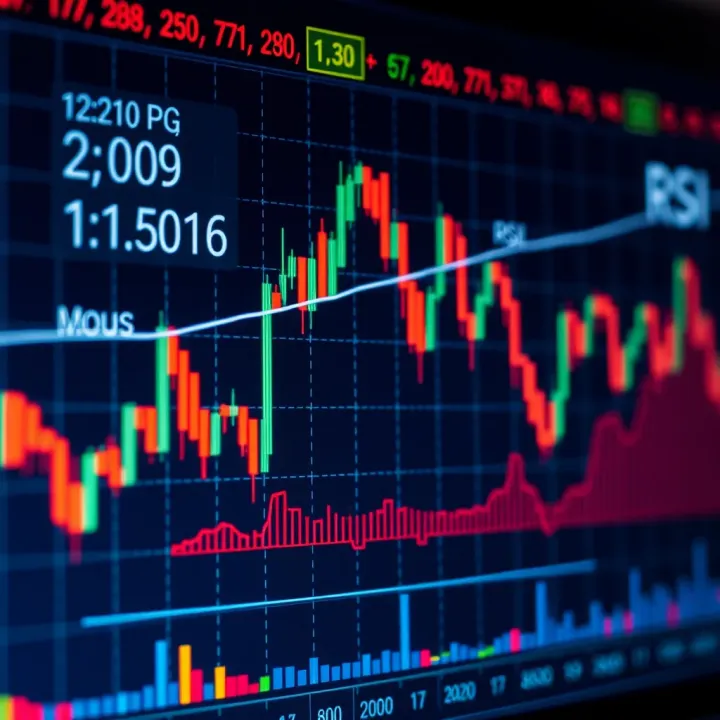
Good traders don’t just guess; they back their hunches with solid tools and informed analysis.
We'll look at technical indicators that track momentum, trends, and volume, and show you how to mix and match them to suit your style and the unpredictability of crypto markets. Expect practical advice crafted for traders in Pakistan, keeping local market dynamics in mind.
Key points we'll cover:
The basics of technical indicators and why they matter
Core indicators like Moving Averages, RSI, MACD, and Bollinger Bands
How to combine multiple indicators effectively
Adjusting strategies for volatile crypto markets
This isn’t just theory. By the end, you'll have clear, actionable insights to help make better trading decisions, avoid common pitfalls, and navigate the crypto space with confidence.
Understanding crypto trading indicators is a foundational step for anyone trying to make sense of the whirlwind that is cryptocurrency markets. These indicators are tools that simplify raw market data to offer clues about possible price movements. Without knowing how they work, it’s easy to get lost in charts or overwhelmed by volatile price swings.
Indicators matter because they help traders spot trends, potential reversals, and entry or exit points, especially in a market as erratic as crypto’s. For example, a trader might look at the RSI to gauge if Bitcoin is oversold before jumping in. But indicators don’t predict the future—they show probabilities based on past and current data. Grasping their purpose and limitations can save traders from costly mistakes.
Technical indicators boil down complex market activity into digestible, actionable data. They transform price and volume movements into signals that help in timing trades or assessing market strength. Take Moving Averages (MAs), for instance—these smooth out price noise to reveal underlying trends over a set period. This way, traders can avoid emotional decisions and stick to a strategy based on clearer signals.
Indicators support trading choices by highlighting momentum, trend direction, or possible turning points. Consider the MACD: when its fast line crosses above the slow line, it’s often seen as a buy cue. These cues build confidence and reduce guesswork. For example, a trader who sees RSI dipping below 30 might view the asset as temporarily undervalued, prompting a buy. This is how indicators supplement intuition with data-driven guidance.
However, relying only on indicators can backfire since no single one captures the full market picture. Crypto markets are heavily influenced by news, regulations, and broader sentiment—none of which appear in traditional technical metrics. For instance, a sudden hack or government ban can send prices tumbling regardless of indicator signals. In addition, indicators often lag and might confirm a trend when the move has already lost steam, making timely action difficult.
Important: Always combine indicators with market context and your own judgment. Also, avoid overloading your charts, which can send mixed signals and confuse decision-making.
Leading indicators try to predict future price movements by signaling shifts before the trend becomes obvious. They are like early warning bells. The Relative Strength Index (RSI) and Stochastic Oscillator are classic examples, giving clues about overbought or oversold conditions. Traders use these to spot potential reversals in advance and position themselves accordingly.
Lagging indicators, on the other hand, confirm trends after they start. Moving averages and the MACD fall into this category. Because they are based on past price data, they reduce false alarms but might respond late. For example, a 50-day moving average crossover confirms an ongoing trend but offers little in terms of forewarning.
In volatile crypto markets, a balanced approach works best. Use leading indicators to spot possible turns early but pair them with lagging indicators for confirmation. For example, spotting an RSI dip below 30 might prompt preparing to buy, but waiting for the MACD to signal a crossover can help avoid false signals. This combination can lower risks in fast-moving markets like Pakistan’s cryptocurrency scene.
In short, understanding which indicator to trust, when, and how they complement each other gives traders a solid edge rather than flying blind.
Navigating the choppy waters of cryptocurrency trading requires a reliable compass-and that's where technical indicators come in. These tools help traders cut through the noise by offering signals based on historical price and volume data. Popular indicators like moving averages, RSI, MACD, and Bollinger Bands are vital as they provide insights into market trends, momentum, and volatility. For anyone trading in Pakistan’s crypto market, where the pace can change in a heartbeat, mastering these indicators is essential to make smarter, more timely decisions.
SMA is one of the simplest tools out there, yet it packs a punch for spotting trends. It averages a set number of past prices, smoothing out short-term wiggles. For instance, a 50-day SMA takes the closing prices of the past 50 days, adds them up, and divides by 50. This line helps traders see the overall direction of a coin’s price without getting distracted by day-to-day spikes. In crypto markets, SMA is often used to identify support or resistance levels, helping you decide when to enter or exit trades.
While SMA treats all past data equally, EMA gives more weight to recent prices. This makes it more sensitive to current price changes, which is useful in crypto’s fast lanes. A 20-day EMA reacts quicker to price swings than a 20-day SMA, alerting you sooner to trend changes. For example, when trading Bitcoin on Binance, EMAs can highlight fresh momentum shifts that might be missed with SMA, allowing traders to act earlier.
Moving averages aren't just lines; they’re your trend detectors. When the price stays above the moving average, it usually means an uptrend, while falling below signals a downtrend. Crossovers between short-term and long-term moving averages—like when a 20-day EMA crosses above the 50-day SMA—often hint at a direction shift. This tactic helps crypto traders avoid getting caught in false starts, making it easier to ride the bigger waves rather than chasing every ripple.
RSI measures the speed and change of price movements on a scale from 0 to 100. Values above 70 typically indicate an overbought condition, while below 30 suggests oversold. For example, if Ethereum's RSI hits 75 on CoinMarketCap, it tells traders the recent buying was strong—maybe too strong—hinting a pullback might be near. RSI is a go-to momentum tool that simplifies complex price action into clear zones to watch.
Traders love RSI because it flags potential turning points. When an asset is overbought, it may be due for a price correction; when oversold, it might rebound. But watch out: in strong trends, these signals can stick around for a while. For instance, during a raging bull run, Bitcoin's RSI might hover above 70 for days, and jumping ship too early means missing out on gains. Smart traders combine RSI with other indicators or price patterns to avoid falling for misleading signals.
Crypto's notorious volatility can mess with RSI’s reliability. Rapid price swings might cause the RSI to bounce sharply, generating false signals. In Pakistan’s active market hours, sudden news or whale moves can send prices skyrocketing or plummeting, leaving RSI readings jumping back and forth. Therefore, it’s wise to treat RSI as a clue rather than gospel—verify with other tools or fundamental news before making a call.
MACD combines two EMAs (usually 12 and 26 periods) and their difference, called the MACD line. There's also a 9-period EMA called the signal line and a histogram showing the gap between them. This setup gives a detailed picture of momentum shifts. For example, if the MACD line crosses above the signal line while the histogram bars grow, it signals strengthening bullish momentum. Crypto traders often rely on this indicator to time entries and exits.
A crossover is the crux of MACD trading. When the MACD line crosses the signal line upward, it's a buy signal; crossing downward suggests sell. Suppose the MACD crossover happens right before a big news announcement in the Pakistani crypto market—that could confirm the momentum’s direction. However, these signals work best alongside trend analysis, since in choppy or sideways markets, crossovers can whipsaw you.
The histogram visualizes momentum strength and direction. Growing bars above zero indicate rising bullish strength, while shrinking bars suggest waning momentum. If bars shrink to zero and flip negative, it's often a warning that the trend could be reversing. Keeping an eye on the histogram helps traders spot early signs before the crossover happens, cushioning the risk of late moves in volatile markets.
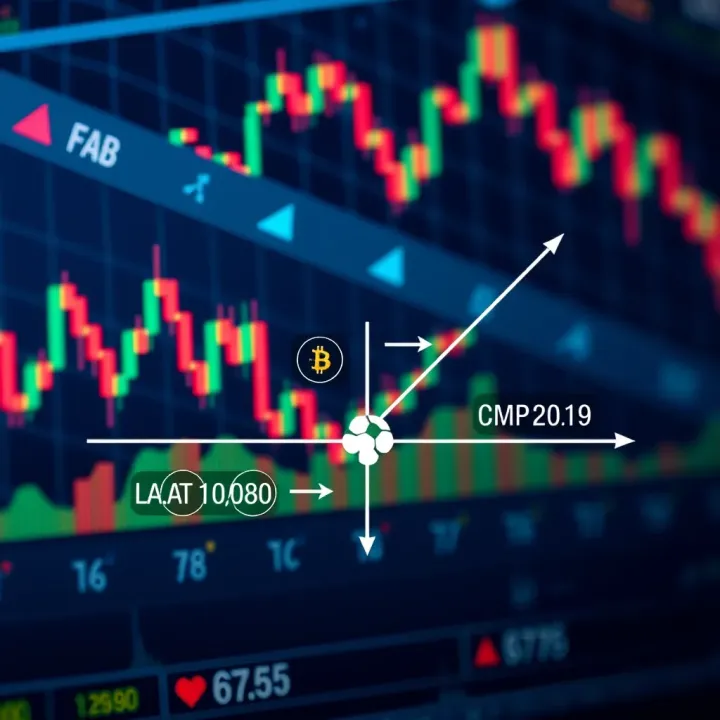
Bollinger Bands use a simple moving average (usually 20-period) with upper and lower bands set two standard deviations away. Setting them properly is key: too tight bands trigger false alarms; too wide bands miss opportunities. For crypto traders in Pakistan, adjusting band settings to the particular coin’s volatility is smart—for example, a more volatile altcoin like Solana may require wider bands than Bitcoin.
The distance between bands widens when volatility spikes and narrows during calm periods. Sharp expansions often precede breakout moves, so spotting these expansions early can give traders a heads-up to potential trading windows. For instance, when Binance Coin’s Bollinger Bands suddenly blow out, it might be time to prepare for a big move either way.
Prices touching or breaking the upper band can indicate strong upward momentum, but also warn of overextension. Conversely, prices hitting the lower band might suggest a reversal or continued downward pressure. A common approach is to look for confirmation signals, like volume surges or divergence in RSI, before acting on band touches. This combo reduces the chance of being fooled by fake outs in the crypto crowd.
Understanding and applying these popular technical indicators gives traders a toolkit to decode cryptocurrency markets with more confidence. Each indicator has its quirks and quirks, but together, they form a balanced approach to spot trends, assess momentum, and gauge volatility. In Pakistan’s dynamic trading environment, mastering these basics can help you catch the right moves and avoid costly mistakes.
Volume-based indicators are often overlooked, yet they hold a unique place in crypto trading. Unlike price alone, which tells you what happened, volume reveals how many traders participated in a move. It's like the difference between seeing a lone dog bark versus a whole pack making noise—volume confirms or denies the strength behind price changes.
In the crypto market, where price swings can be wild due to speculation or news, volume data supports traders in distinguishing fakeouts from genuine trends. High buying volume during an uptrend signals conviction, while a rising price on low volume might be a red flag. Simply put, volume-based indicators provide a second layer of analysis, making your trading decisions less guesswork and more evidence-based.
They also help spot accumulation and distribution phases—moments when big players buy up or unload coins without driving prices drastically. Over time, these subtle volume shifts can hint at major moves ahead, offering traders a heads-up to position themselves advantageously.
OBV is a straightforward yet powerful volume tool that measures buying and selling pressure by keeping a running total of volume added on up days and subtracted on down days. When a cryptocurrency closes higher than the previous period, all volume that day is added to the OBV; conversely, volume is subtracted when the close is lower.
This running total acts like a tide gauge for market sentiment—if OBV steadily climbs, it signals more buying pressure, indicating strong demand. Conversely, a dropping OBV suggests sellers gaining control. For example, if Bitcoin's price climbs but OBV stays flat or declines, it hints at weak buying support, potentially warning of a false rally.
Combining OBV with price charts helps confirm trends. When both price and OBV move in the same direction, it validates the trend’s strength. However, if OBV diverges—say, prices rise while OBV falls—that's a clue to be cautious; the trend might falter soon.
Detecting potential trend reversals is another use. For instance, if OBV stops making new highs while price keeps climbing, it indicates waning volume behind the move, potentially signaling an upcoming correction. Traders monitoring Ethereum during a rally often look for OBV dips as early exit signs, helping them lock in profits before a drop.
VWAP calculates an average price weighted by volume, reflecting the average cost traders have paid for an asset throughout the day. It’s computed by adding up the dollars traded (price times volume) and dividing by total volume. This makes VWAP a reliable benchmark to gauge if price is trading above or below the average buyer’s cost.
For intraday traders in crypto, VWAP is a go-to indicator. Price above VWAP usually signals bullish momentum; price below, bearish. A trader on Binance might decide to buy an altcoin after it breaks above VWAP, expecting buyers to dominate that session. VWAP serves as a moving anchor, showing whether the asset is overpriced or undervalued at any point in time.
Yet, VWAP isn’t flawless. Since it resets daily, it’s mostly useful for day trading and less for longer horizons. Also, crypto markets run 24/7, unlike stocks, making VWAP calculation less straightforward. Plus, low-volume coins can have misleading VWAPs because a few massive trades disproportionately affect the value.
In short, volume-based indicators like OBV and VWAP aren't just numbers—they’re signals of market commitment, helping traders cut through noise and spot true momentum or impending shifts. Mastering their use can make a notable difference, especially in Pakistan’s rapidly changing crypto environment where each move counts.
By blending volume insights with price action, you get a fuller picture that reduces guesswork and sharpens your trading edge.
Using multiple indicators together is often more reliable than relying on just one. In the choppy seas of crypto trading, a single signal can lead you off course quickly, but combining indicators acts like a compass and map – offering checks and balances. By blending the strengths of various tools, traders reduce noise and spot genuine market movements.
Think of it like cooking: one ingredient alone might not taste right, but mix them wisely, and the flavors balance. Similarly, indicators can complement each other by covering different aspects like momentum, volume, and trend direction.
Reducing false signals
Crypto markets are famous for sudden spikes and dumps. Single indicators sometimes throw false warnings, which can cost you money. Using multiple indicators means you wait for confirmation before acting. For instance, a moving average crossover might suggest a trend change, but combining it with the Relative Strength Index (RSI) helps confirm strength or weakness in momentum. Only when both line up is it safer to make a move, cutting down impulsive trades.
Confirming trends and reversals
Sometimes the price movement feels like a head fake. Indicators can tell similar stories but must agree before you accept the signal. For example, if the MACD shows a bullish crossover but volume indicators don’t confirm rising trade activity, the breakout might be short-lived. Confirming trends with more than one indicator helps avoid chasing fake outs.
Balancing leading and lagging data
Leading indicators give early hints, like an advance warning from your neighbor, while lagging indicators confirm what’s already happening. A wise trader uses both: leading ones to catch a faster opportunity but lagging ones to ensure the move is genuine. For example, RSI is a leading indicator that highlights overbought or oversold conditions, while moving averages tend to lag and show clear trend direction. Combining them lets you act timely yet carefully.
MACD with RSI for momentum and trend
Pairing the Moving Average Convergence Divergence (MACD) with the Relative Strength Index (RSI) is like having both speed and direction indicators for your trade vehicle. MACD focuses on trend changes and momentum shifts, while RSI shows when an asset is overbought or oversold. For example, if the MACD line crosses above the signal line (indicating bullish momentum) and RSI is below 70 but rising, it’s a stronger signal to buy than just one indicator alone.
Moving averages with volume indicators
Moving averages help spot the trend, but volume reveals the strength behind it. A rising price on low volume might not last, but combined with on-balance volume (OBV) showing increasing buying pressure, the trend is more trustworthy. Imagine Bitcoin’s 50-day moving average rising steadily; if OBV confirms buyers are active, the upward move has muscle. This combo prevents jumping into weak trends.
Bollinger Bands alongside momentum indicators
Bollinger Bands show price volatility and potential breakouts, but they don’t tell you about momentum strength. When you use Bollinger Bands with momentum indicators like the RSI or MACD, you get a clearer sense that a price breaking the upper band is backed by strong momentum rather than just a volatility spike. For example, Ethereum price hitting the upper Bollinger Band with RSI hovering near 60 might suggest the trend still has room to move up before becoming overbought.
Combining indicators isn’t about piling on tools randomly. It’s about using their unique qualities together to get a clearer picture—like listening to different instruments in an orchestra instead of a solo singer.
Smart use of indicator combos makes your crypto trading decisions much more reliable, especially in volatile markets like Pakistan’s. Always test your combinations and adapt them to the specific coins and timeframes you trade.
In crypto trading, the market doesn’t sit quietly like some stable stocks. Prices can jump or drop in a blink, so indicators that work well elsewhere might not fit right away in crypto. That’s why tweaking and adjusting your indicators isn’t just a nice-to-have — it’s a necessity. Getting this right can save you from chasing false signals and help you spot real opportunities even when things get bumpy.
Crypto markets are known for their wild rides. One moment, Bitcoin might be cruising along steadily; the next, it dives or spikes double-digit percentages within hours. This volatility means indicators need to be fine-tuned to avoid whipsaws—false signals where the price quickly reverses after triggering an indicator. For instance, standard RSI settings might flash "overbought" too soon during sharp climbs, tricking traders into selling prematurely. Understanding and factoring in these fast moves helps prevent costly mistakes.
Unlike many traditional markets, crypto prices often react dramatically to news, rumors, or social media buzz. A tweet from an influential figure or sudden government announcements can push prices north or south at lightning speed. These sentiment-driven moves can outpace what traditional technical indicators signal, making it vital to blend technical tools with awareness of current market chatter. Traders who watch news feeds alongside charts have a better shot at interpreting indicator signals correctly.
Stocks often boast decades of price history, but many cryptocurrencies are young and constantly evolving. This shorter data history means indicators calibrated for long-established markets might miss the mark here. For example, moving averages based on 200 periods in stocks might not be meaningful for recently launched coins. Traders should be cautious about relying solely on standard periods and consider adjusting them to fit the specific crypto’s lifespan and trading volume.
Standard indicator settings are often rooted in stock market norms, which can be too slow or conservative for crypto’s pace. Modifying indicator periods—like shortening moving average lengths from 50 to 20 or adjusting RSI thresholds from 70/30 to 80/20—can better capture the price action nuances. This customization reduces false alarms and filters noise effectively. For example, cutting the Bollinger Bands’ period can help detect tighter volatility ranges during calm market stretches.
While daily charts are common in stocks, crypto traders often zoom into shorter timeframes like 15 minutes or even 5 minutes to catch fast moves. Indicators applied on these short scales must be sensitive enough to track rapid swings but also reliable enough not to suggest constant buy/sell signals. A trader using the MACD on a 5-minute chart, for example, might use faster EMAs than usual to keep pace with the quick fluctuations.
Not all crypto assets behave the same. Bitcoin’s price dynamics differ significantly from smaller altcoins like VeChain or Cardano. That means a one-size-fits-all approach to indicator settings can backfire. Effective traders run backtests or paper trades on specific coins to find what indicator tweaks fit best. By observing how a tweaking RSI period or MACD settings perform on each token, traders gain a tailored edge rather than blindly following defaults.
When it comes to crypto, adjusting your indicators isn’t guesswork—it’s about fine-tuning your tools to fit a noisy, fast-paced market that doesn't play by traditional rules. Testing and adapting will help you trade smarter, not harder.
In summary, adapting indicators to crypto’s unique traits involves recognizing the market’s rapid swings, sentiment-driven reactions, and limited history. Customizing those indicators in terms of periods, thresholds, and timeframes, and tuning them per coin, arms you to trade more confidently even when the market throws curveballs.
When diving into the world of crypto trading, it's easy to get overwhelmed by the sheer number of indicators available. Many traders, especially those new to the game, fall into traps that can cost them time and money. Understanding common mistakes helps you avoid costly errors and sharpens your strategy for better results.
Indicators are powerful tools but not magic bullets. The real skill lies in using them smartly, knowing when to trust them and when to step back. Failing to do so often means making hasty trades based on misleading signals or missing the bigger picture altogether.
Jack, a crypto enthusiast from Lahore, once loaded his chart with six or seven indicators, thinking it would increase his edge. Instead, it left him more confused than clear, constantly doubting his entries and exits. This is the essence of analysis paralysis—when too much data slows down decision-making instead of speeding it up.
In crypto markets where prices can swing wildly in minutes, hesitation can turn promising trades into losses. Overcrowded charts bombard your brain with conflicting signals, making it hard to spot what really matters. Staying focused on fewer, reliable indicators helps to keep your trading decisions faster and more confident.
A solid approach is to narrow down to two or three indicators that complement each other. For instance, pairing the Relative Strength Index (RSI) with Moving Averages gives you both momentum and trend direction. Throwing in On-Balance Volume (OBV) can add confirmation about the strength behind moves.
Choosing indicators aligned with your trading style—day trading vs. swing trading—also matters. A scalper might rely more on short-term EMAs, while a longer-term investor prefers broader trend tools. Stick to indicators proven by experience and testing, rather than hopping on every popular one in TradingView's library.
Indicators purely reflect past price and volume data. But crypto markets are often driven by news, regulation changes, or big players' moves that no chart can predict ahead. Ignoring fundamental context can make technical signals misleading.
For example, a sudden regulatory announcement in Pakistan about cryptocurrency could instantly change market sentiment, overriding what indicators suggest. Traders who rely solely on technicals might be caught off guard and face unexpected losses.
Smart traders blend both worlds. While indicators highlight when to enter or exit, fundamentals tell you why the price might move in the first place. Following news streams, social media trends, and blockchain developments alongside charts builds a fuller picture.
Consider the launch of a new DeFi project or a major crypto wallet hack. These events shift fundamentals and, soon after, technical patterns follow. Integrating fundamental research with your indicator readings lets you avoid traps and ride moves with confidence.
Keep in mind: Successful crypto trading is not about piling up numbers on your screen but making informed, timely decisions that factor in both market data and real-world events.
In summary, avoid loading charts with excessive indicators and never ignore the broader market story. Focus on a few trusted indicators aligned with your style and always keep an eye on market news and fundamentals to stay a step ahead in Pakistan’s crypto scene.
In the fast-moving world of crypto trading, having the right tools is half the battle won. The platforms and charting tools where you analyze your indicators can make or break the quality of your trades. These tools help you visualize market data, apply indicators properly, and make quicker, more informed decisions. Without them, you’d be staring at raw numbers and charts devoid of context, which can lead to costly mistakes.
TradingView has become the go-to for many crypto traders because of its flexibility and user-friendly design. It offers an extensive library of built-in indicators like RSI, MACD, Bollinger Bands, and more. Plus, it allows custom inputs so traders can tweak indicator parameters to match their strategy. The platform's live charts update in real-time—which is crucial for crypto’s notoriously volatile markets. One handy feature is the ability to layer multiple indicators, enabling you to spot confirmations or divergences in price action quickly. If you’re serious about technical analysis, TradingView also supports Pine Script, its own coding language, which lets savvy traders create and test their own custom indicators.
For traders focusing on the crypto space specifically, Binance and CoinMarketCap provide solid, user-friendly tools tightly integrated with market data. Binance’s trading platform includes an indicator panel with the most popular technical tools right inside the trading interface, making it easy to jump from analysis to executing orders without switching apps. CoinMarketCap, known mostly as a price and market data aggregator, also offers simple charting tools that show basic trends and volume indicators. While not as advanced as TradingView, these tools are handy for quick checks and basic trend confirmation—perfect for casual traders or those just starting out.
Crypto never sleeps, and neither do price swings. That’s why mobile apps from platforms like Binance, Coinbase, and TradingView itself allow traders to stay connected with their indicators no matter where they are. These apps offer touchscreen-friendly versions of charts and indicator setups so you can check RSI levels, moving averages, or Bollinger Bands between commitments. Good mobile apps also send push notifications for indicator-based alerts—say, a MACD crossover or RSI hitting an extreme—ensuring you don’t miss critical signals. Given how quickly crypto prices can shift, these mobile tools are more necessity than luxury.
For traders wanting more than standard indicators, scripting languages like TradingView’s Pine Script open a world of customization. Pine Script lets you build personalized indicators, define custom alert conditions, and backtest your strategies using historical data. This can be a game-changer; instead of just following generic signals, you program indicators tailored to your own trading style. Other platforms may support similar languages like Python or JavaScript for algorithmic trading bots. Developing custom scripts requires some coding chops but offers flexibility that off-the-shelf tools don't.
Automated signals generated by scripts or bots can save time and remove emotional bias from trading. They scan markets 24/7, flagging potential entry or exit points based on your criteria. However, they aren’t foolproof. Many signals result in false positives, leading to unnecessary trades and losses. Automation is best used as a supplement to your own judgment, not a replacement. Always review automated recommendations critically before pulling the trigger.
Relying heavily on bots for trading can backfire, especially in crypto’s unpredictable environment. Bots might not respond well to sudden news events or market anomalies, leading to big losses. Also, many off-the-shelf bots promise easy profits but lack transparency about their algorithms. Security is another concern—bots need API access to your exchange account, which could be risky if the bot’s provider isn’t trustworthy. In short, treat bots cautiously, test them on paper or simulation first, and always maintain manual control over your funds.
In crypto trading, tools and platforms that help you analyze indicators are as important as the indicators themselves. Choose wisely, adapt your setups, and don’t let technology replace your critical thinking.
Wrapping up, choosing the right indicators is not just about picking popular tools but aligning them with your unique trading style and goals. Crypto markets are unlike traditional ones—things move fast, and what worked last month might not click today. This conclusion pulls together the key points we covered, showing why personalizing your approach is essential for consistent success.
Your trading style greatly influences which indicators will be most helpful. For example, day traders—those who open and close positions within the same day—usually lean on faster, more responsive indicators like the Exponential Moving Average (EMA) and VWAP to catch short-term swings. These tools react quicker to price changes, giving timely entry and exit points.
On the other hand, long-term investors focus on the bigger picture. They might prefer slower indicators, such as the Simple Moving Average (SMA) or MACD over daily or weekly charts, helping filter out noise and highlight sustained trends. Using overly sensitive indicators in this case could lead to unnecessary panic selling or buying, so patience and a steadier approach work better.
Risk tolerance also shapes how you use indicators. If you’re someone who can stomach a lot of ups and downs, you might opt for riskier setups that rely on leading indicators like RSI to spot early momentum shifts. Conversely, if you prefer playing it safe, lagging indicators that confirm trends before acting may fit better. Adjusting indicator sensitivity—like tweaking RSI thresholds from the default 70/30 to 80/20—can help tailor signals to your personal comfort with risk.
Recognizing your style and risk appetite isn’t a one-time thing. It’s a regular check-in that helps fine-tune your selection of crypto indicators over time.
No indicator set is perfect forever. Markets evolve, new coins come up, and external factors like regulations or tech developments swing trends. That’s why regularly reviewing your indicators' performance keeps your edge sharp. For instance, if you notice that MACD crossovers are giving false positives during extreme volatility phases, it might be time to combine it with volume-based tools like OBV or adjust your timeframes.
Staying updated with market changes means paying attention not only to charts but also to news and sentiment shifts. This can affect how indicators behave. When major events happen—like a regulatory tweak in Pakistan affecting crypto exchanges or a sudden surge in Bitcoin—technical analysis alone may fall short without factoring in that context.
By combining indicator reviews with continuous market education, you build resilience and avoid falling into outdated patterns. Dive into resources like TradingView tutorials or community forums and keep experimenting with indicator combos to see what clicks for your preferred coins.
Choosing the right indicators boils down to understanding yourself as a trader and the unique rhythm of the crypto market. Mix, match, and adjust thoughtfully—and always keep learning along the way.
Looking for the best crypto trading app in Pakistan? Discover key features, security tips, currency options, fees, and user experience insights to trade smartly 📱💰

Discover how to pick the right crypto trading platform in Pakistan 🇵🇰. Learn about security 🔒, fees 💰, cryptocurrencies 💹, and easy local payments 🏦 for smart trading decisions.
Find the best crypto trading app 🇵🇰 for Pakistan traders! Explore features, fees, security 🔒 & user experience to match your trading style perfectly.
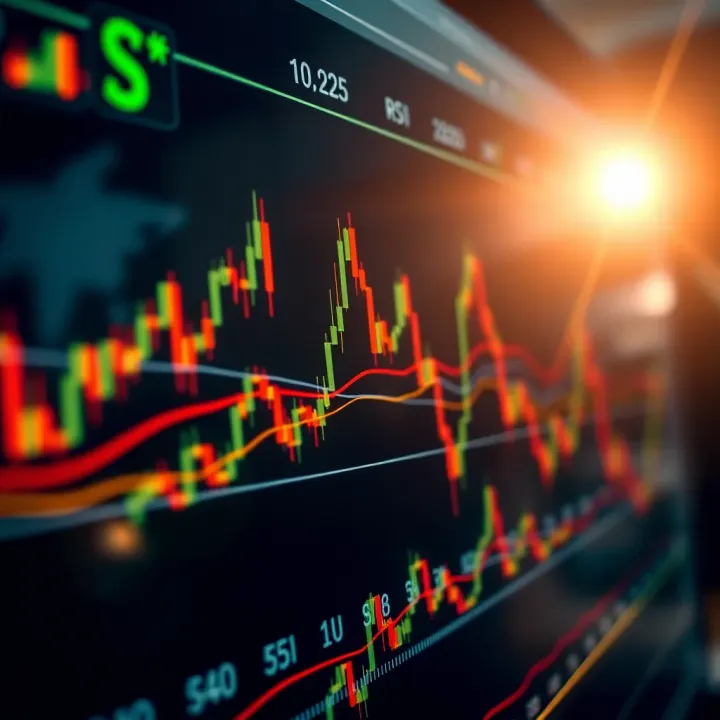
Explore how to pick the right crypto trading indicators 📈 Understand their pros and cons, combine strategies, and navigate volatile markets confidently.
Based on 11 reviews