

Understanding Binary Compounds: Types and Uses
Explore the world of binary compounds 🔬—their types, properties, and real-life uses. Perfect guide for students and chemistry buffs in Pakistan.
Edited By
William Foster
Binary compounds of hydrogen are more than just scientific curiosities; they’re fundamental players in numerous industries and impact technologies from clean energy to pharmaceuticals. For investors and traders keeping an eye on materials shaping the future, understanding these compounds is key.
At its core, a binary compound of hydrogen involves hydrogen bonded with a single other element. These substances—ranging from simple hydrides like sodium hydride (NaH) to hydrogen halides like hydrogen chloride (HCl)—possess varied structures and properties that influence their applications and market potential.
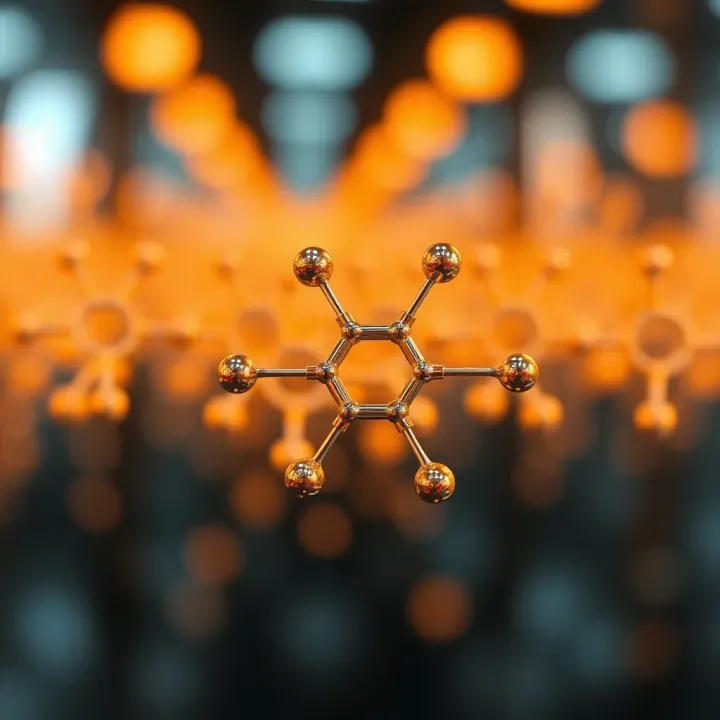
Knowing the structural and chemical behavior of these hydrogen compounds can provide insights for sectors including chemical manufacturing, energy storage, and even emerging clean tech.
In this article, we’ll break down these compounds’ chemical structure, explore how they’re made, dig into their unique properties, and identify practical applications impacting industries vital to investors and analysts. With clear explanations and real-world examples, we’ll demystify these compounds for those who want to grasp both scientific and market relevance.
Whether you’re analyzing commodity chemicals or considering the future of energy materials, getting familiar with binary hydrogen compounds offers a solid foundation to understand ongoing trends and opportunities. Let’s dive in.
Understanding binary compounds of hydrogen is key to grasping many aspects of chemistry and industry that impact our lives daily. These compounds, consisting of hydrogen and one other element, showcase a variety of structures and properties that influence everything from fuel technologies to pharmaceuticals.
In practical terms, knowing the basics of these compounds helps investors and traders spot opportunities in chemicals and energy sectors, where hydrogen's role is expanding rapidly. For example, hydrogen halides like hydrogen chloride are vital in producing PVC plastics, a booming industry with global market influence.
Simply put, binary hydrogen compounds are chemical substances formed from hydrogen combined with just one other element. This could be a metal, non-metal, or a halogen. For instance, water (H₂O) is a well-known binary compound of hydrogen and oxygen, while hydrogen chloride (HCl) is another common example involving hydrogen and chlorine.
These compounds display diverse bonding types and molecular structures, which directly affect their usability and behavior. Knowing their make-up helps in applications like choosing the right material for hydrogen storage or designing efficient chemical reactions.
Most binary hydrogen compounds share some features: they tend to form either polar or nonpolar bonds, impacting their boiling and melting points. Additionally, many are highly reactive due to hydrogen's small size and high electronegativity difference with other elements.
A quick example: metal hydrides like sodium hydride (NaH) act as strong bases and reducing agents, making them handy in chemical synthesis. Conversely, hydrogen halides like HF are corrosive and require careful handling but are pivotal in many industrial processes.
Binary hydrogen compounds frequently act as building blocks or reactants in chemical synthesis. For instance, hydrogen chloride is a precursor in making hydrochloric acid, which is fundamental for numerous chemical manufacturing routes. Metals combine with hydrogen to form hydrides that serve as hydrogen donors in reactions, influencing everything from pharmaceuticals to aerospace materials.
These compounds often facilitate reactions under mild conditions, saving costs and improving efficiency—something investors keep a close eye on when considering chemicals or energy sectors.
Industrially, binary hydrogen compounds find use in several arenas: hydrogen itself is moving towards being a mainstream fuel in fuel cells, while hydrogen halides are crucial in etching and cleaning processes in semiconductor manufacturing — a sector that’s only getting bigger with tech advancements.
Furthermore, metal hydrides are explored for hydrogen storage, tying directly to energy renewables and green tech trends. Keeping tabs on these compounds' markets helps in predicting shifts in related stocks and businesses.
While valuable, these compounds come with environmental considerations. For example, hydrogen fluoride spills can lead to serious environmental damage. Managing such risks requires adherence to safety protocols and advances in containment technologies.
Moreover, hydrogen's role in clean energy offers a chance to reduce carbon footprints, presenting green investment opportunities but also highlighting the need for sustainable handling of related chemical compounds.
Understanding binary hydrogen compounds not only opens doors in chemistry and industry but also presents tangible opportunities and risks for savvy investors paying attention to global energy and chemical market trends.
Binary hydrogen compounds form an essential chapter in understanding the broader chemistry of hydrogen. Their types tell us not only about the kind of elements hydrogen bonds with, but also how these bonds influence the compound’s behavior and potential uses. Whether you're looking into metal industries, pharmaceuticals, or energy sectors, knowing these groups helps unlock practical insights.
Metal hydrides are compounds formed between hydrogen and metals. These are often used for hydrogen storage because they can absorb and release hydrogen gas under certain conditions — handy for fuel cell vehicles and renewable energy applications. For instance, magnesium hydride (MgH₂) packs hydrogen densely and is a subject of research for clean energy storage solutions. The big plus here is their ability to safely store hydrogen, but the challenge lies in releasing it efficiently without requiring high temperatures.
Non-metal hydrides involve hydrogen bonded with non-metal elements like carbon, nitrogen, or oxygen. They tend to be molecular and exhibit diverse properties. Take ammonia (NH₃); it’s a classic example widely used in fertilizers and refrigeration. These hydrides can be gases or liquids and often show unique reactivity patterns, making them staples in industrial chemistry and everyday products.
Hydrides break down into ionic, covalent, and metallic categories based on bonding nature. Ionic hydrides occur with alkali metals and are generally more reactive, useful in chemical synthesis as strong reducing agents. Covalent hydrides feature shared electron pairs, typical in non-metals, influencing their volatility and solubility. Metallic hydrides involve hydrogen atoms absorbed within metal lattices, giving them metallic characteristics. Understanding these distinctions is key when predicting behavior or choosing a compound for an application.
Hydrogen halides are binary compounds of hydrogen and halogens, such as HF, HCl, HBr, and HI. These gases differ widely in acidity and bonding. HF, despite being a hydrogen halide, behaves unusually due to strong hydrogen bonding; it’s widely used in etching glass and industrial fluorination. HCl is a staple for hydrochloric acid, fundamental across chemical industries. The heavier ones, like HBr and HI, find roles in organic synthesis, making these compounds versatile tools in labs and manufacturing.
Hydrogen halides are typically gases at room temperature, with boiling points rising down the group due to increased molecular weight and intermolecular forces. Chemically, they are acidic when dissolved in water, with strength increasing from HF (weak acid) to HI (strong acid). Their reactivity and corrosive nature demand careful handling, but their applications range from pH control in wastewater treatment to producing pharmaceuticals.
These compounds pair hydrogen with chalcogen elements like oxygen, sulfur, and selenium. Water (H₂O) is the most famous and vital for life. Hydrogen sulfide (H₂S), though toxic and smelly like rotten eggs, is significant in industry for vulcanizing rubber and chemical manufacturing. Such compounds often exhibit unique solubility and reactivity profiles, making them important in environmental science and industrial chemistry.
Beyond chalcogens and halogens, hydrogen also forms binary compounds with elements like nitrogen in ammonia or phosphorus in phosphine (PH₃). These exhibit varied properties, from highly reactive gases to moderate stability, and are critical in agriculture, electronics, and pharmaceuticals. Knowing their traits helps manage risks and harness benefits effectively.
Recognizing the different types of binary hydrogen compounds offers clarity in understanding their role across industries — from energy storage solutions and chemical synthesis to environmental management and everyday materials.
Understanding these categories simplifies the complex mosaic of hydrogen chemistry and points directly to real-world applications where these compounds make a difference.
Understanding the chemical structure and bonding in binary hydrogen compounds is key to grasping their distinct behaviors and uses. These compounds, made up of hydrogen and one other element, show a variety of bonding types that influence everything from reactivity to stability. In real-world terms, knowing how these bonds work gives traders and investors insights into the potential of hydrogen-related materials, which are becoming increasingly relevant in energy sectors and chemical manufacturing.
Covalent bonding is the backbone of many binary hydrogen compounds. This involves atoms sharing electrons to form stable structures. For example, in hydrogen chloride (HCl), the hydrogen atom shares electrons with chlorine, creating a strong covalent bond that defines HCl's properties. This type of bond is crucial because it impacts how these compounds interact in chemical reactions — making hydrides like methane (C) pivotal in fuel technologies and organic synthesis.
Unlike covalent bonds, ionic interactions involve transferring electrons, resulting in charged ions attracted to each other. Sodium hydride (NaH) is a prime example, where hydrogen exists as a hydride ion (H-) paired with a sodium ion (Na+). These ionic compounds tend to have higher melting points and different solubility characteristics, which can affect how they're handled industrially, for instance in hydrogen storage or as catalysts.
Hydrogen compounds often feature differing degrees of polarity due to electronegativity differences between hydrogen and the other element. Polar bonds, like in hydrogen fluoride (HF), cause molecules to have positive and negative poles, resulting in strong intermolecular forces and higher boiling points. Nonpolar bonds, found in substances like hydrogen gas () or methane, lead to different physical properties, such as lower boiling points and distinct reactivity patterns. Understanding this helps predict how compounds behave in different environments and applications.
The shape of a molecule, dictated by its bonding and electron arrangement, greatly influences its properties. Many binary hydrogen compounds adopt simple geometries; for instance, hydrogen halides like HCl are linear, while water (a hydrogen chalcogenide, O) is bent due to lone electron pairs on oxygen. These structural differences affect everything from boiling points to solubility, which investors in chemical production should consider when evaluating market potential.
The nature of the bonds in these compounds directly impacts their stability. Strong covalent bonds in compounds like hydrogen sulfide (S) provide moderate stability but also make them reactive in certain conditions. On the other hand, ionic hydrides, while stable at room temperature, can be quite reactive when exposed to water or air, posing safety considerations. These stability factors dictate storage, handling, and transport protocols critical to industrial and commercial use.
The interplay of bonding and structure determines not only how these compounds behave but also their suitability for different applications, from fuel cells to pharmaceuticals.
By examining the types of bonds and molecular geometries in binary hydrogen compounds, stakeholders can better anticipate performance and risks associated with these substances, making informed decisions in trading, investment, and technology development.
Understanding the physical and chemical properties of binary hydrogen compounds is vital for anyone dealing with chemicals, whether in industry or research. These properties dictate how compounds behave under different conditions—a big deal when you’re handling substances as explosive or reactive as hydrides or hydrogen halides. For investors or traders eyeing markets related to chemical production, knowing these characteristics can signal shifts in supply chain stability or production costs.
Take melting and boiling points, for instance. They reveal a compound’s form at various temperatures, crucial for storage and transport decisions. Then there's reactivity and stability—it’s not just about safety but also about how these compounds perform during manufacturing or in environmental application. A deeper understanding here ensures smarter investment in companies using or producing these chemicals.
Hydrides generally show a trend where their boiling and melting points increase with heavier elements. For example, lithium hydride melts around 690°C, while cesium hydride melts below 300°C. In contrast, hydrogen halides like HF, HCl, HBr, and HI show differing trends mostly influenced by hydrogen bonding and molecular size. HF stands out with an unusually high boiling point around 20°C due to strong hydrogen bonding, whereas HI boils much lower at about -35°C.
This distinction influences how these chemicals are handled industrially. HF’s high boiling point means it's more likely to stay liquid at room temperatures, requiring specific containment strategies—a plus for industries focused on precision chemical reactions but a red flag for transport safety.
Knowing these boiling and melting point trends helps traders predict logistical costs and risks in chemical supply chains, affecting stock prices and market reliability.
Molecular weight heavily impacts physical properties. Simply put, as molecular weight increases, boiling and melting points tend to rise due to stronger Van der Waals forces. Among hydrides, methane (CH₄) has a low molecular weight and hence a very low boiling point (-161°C), whereas heavier hydrides have comparatively higher boiling points.
For halides, as you move from HF to HI, molecular weight climbs but boiling points drop after HF because hydrogen bonding's role diminishes. This subtlety shows the molecular weight isn’t the only player—bond type and polarity also shift properties.
Binary hydrogen compounds vary widely in how reactive they are. Hydrides like sodium hydride (NaH) are highly reactive, serving as strong reducing agents in organic synthesis—useful but risky in industrial chemical manufacturing. On the flip side, hydrogen halides are typically more stable but still react strongly with water to form acids, an important factor in environmental safety and industrial cleanup.
For traders and analysts, keeping tabs on chemical reactivity is about understanding market risks and safety costs, which directly affect profit margins and investment attractiveness.
Thermal stability plays a huge role in processing these compounds. Metal hydrides often decompose at elevated temperatures releasing hydrogen, which is useful for hydrogen storage but poses risks if uncontrolled. For example, lithium hydride releases hydrogen at around 680°C, a double-edged sword in fuel technology and manufacturing.
Hydrogen halides generally have decent thermal stability but can break down under extreme conditions, releasing corrosive gases—something plants have to guard against vigilantly.
Some binary hydrogen compounds, like certain boron hydrides, resist decomposition quite well, making them attractive for long-term applications. Others, such as phosphine (PH₃), decompose easily, limiting their use and requiring special handling.
Overall, knowing how easily these substances break down aids in designing safe storage solutions and predicting product shelf-life, both critical in the chemicals industry.
For anyone involved in trading or investing in chemical sectors, understanding the physical and chemical properties discussed here provides a real edge, balancing opportunity and risk effectively.
Understanding the methods of synthesis for binary hydrogen compounds is essential, especially when considering their industrial and laboratory relevance. These methods unlock how compounds such as hydrides and hydrogen halides are made, ensuring the right structure and purity for their varied applications. Investors and analysts interested in sectors like hydrogen fuel or chemical manufacturing will find knowing these processes valuable, as production techniques impact both cost and scalability.
Direct combination is one of the simplest and oldest approaches to forming binary hydrogen compounds. It involves reacting elemental hydrogen with another element directly, often by heating them together. For example, producing hydrogen chloride by combining hydrogen gas with chlorine gas at elevated temperatures illustrates this method well. While straightforward, direct combination demands careful control to prevent side reactions and to ensure safety, as some hydrogen compounds can be highly reactive or corrosive.
This technique is handy in small-scale syntheses where purity and controlled reaction conditions matter. For traders eyeing niche chemical markets, understanding direct combination can shed light on the availability and cost dynamics of these compounds.
Reduction methods offer another practical route, especially for metal hydrides. These involve reducing a metal salt or oxide with hydrogen or a hydride source to form the metal hydride. A classic example is reducing titanium tetrachloride with magnesium in a hydrogen atmosphere to produce titanium hydride. These methods often require precise control over temperature and hydrogen pressure but can yield complex hydrides used in energy storage systems.
Reduction techniques are significant because they allow the synthesis of compounds not easily accessible via direct combination. For investors, this means the production costs and technologies used for advanced hydride materials can influence the market viability of hydrogen storage solutions.
Large-scale synthesis of binary hydrogen compounds is designed for efficiency and volume, often incorporating continuous reaction systems. For instance, industrial hydrogen chloride is produced by reacting hydrogen and chlorine gases in a controlled reactor, with continuous removal of the product to drive the reaction forward. Such methods prioritize safety, throughput, and cost-effectiveness.
The importance here is obvious for stakeholders in chemical manufacturing and energy sectors, where demand scales up quickly. Understanding large-scale processes helps in anticipating supply chain factors and production costs affecting market prices.
Catalysts and reaction conditions finely tune these industrial processes. Catalysts like activated carbon or platinum can lower reaction temperatures and increase selectivity for desired compounds, reducing energy usage and improving yields. For example, catalytic hydrogenation assists in hydride synthesis by facilitating hydrogen addition to unsaturated compounds under milder conditions.
Knowing the role of catalysts and specific reaction parameters aids analysts and investors in evaluating technological advancements within the hydrogen chemical industry. Improved catalysts might signal lower production costs and greener processes, both attractive factors for sustainable investments.
Efficient synthesis methods allow for cost-effective production and high-quality products, directly impacting the commercial success of hydrogen compounds in energy and chemical markets.
In summary, methods of synthesis—from simple direct combinations to complex catalytic processes—are the backbone of producing binary hydrogen compounds. Whether in a lab setting or on an industrial scale, mastering these techniques not only refines product quality but also drives economic viability for businesses engaging with hydrogen technologies.
Binary hydrogen compounds play a vital role beyond just their chemical curiosity—they are key players in many industries and environmental processes. Their unique structures and reactive properties open doors to innovative uses, particularly in fuel, chemical manufacturing, and even environmental solutions. Grasping these applications helps traders and investors identify sectors worth watching as these compounds drive new technologies and market developments.
Hydrogen stands out as a clean energy carrier, especially in fuel cells and combustion engines designed to reduce carbon footprint. Its high energy content per unit weight makes it an attractive alternative to fossil fuels. For example, companies investing in hydrogen-powered vehicles like Toyota with its Mirai fuel cell car are signaling a shift in energy markets. Understanding hydrogen's storage challenges, such as its low density requiring high-pressure tanks, helps stakeholders appreciate ongoing research into safer and more efficient usage.
Binary hydrides such as magnesium hydride (Mg) offer promising solutions for hydrogen storage. These compounds can store hydrogen at a much higher density compared to compressed gas or liquid hydrogen, which is crucial for portable applications and long-distance transport. The reversible absorption and release of hydrogen in hydrides make them practical for energy systems. Investors should note startups focusing on metal hydride technologies, which could disrupt current storage methods and offer safer alternatives to high-pressure tanks.
Binary hydrogen compounds serve as key intermediates in producing industrial acids like hydrochloric acid (HCl) and hydrobromic acid (HBr). These acids are foundational in manufacturing plastics, pharmaceuticals, and even food additives. For instance, hydrogen chloride gas is reacted with ammonia to produce ammonium chloride fertilizers, a staple product in agriculture. Companies specializing in these chemicals often see stable demand, reflecting consistent industrial activity.
Hydrides such as sodium borohydride and lithium aluminum hydride are widely used as reducing agents in chemical synthesis. These compounds enable the transformation of complex molecules into simpler forms, crucial in pharmaceutical manufacturing and organic synthesis. Knowing the role of these hydrides in producing medications and specialty chemicals can guide investors toward sectors active in innovation and production.
Certain binary hydrogen compounds, like hydrogen sulfide in controlled forms, contribute to removing contaminants from water. Moreover, hydrides can assist in breaking down pollutants through chemical reactions, offering cost-effective solutions in water treatment plants. With water scarcity and quality concerns rising globally, technologies relying on these chemicals are attracting attention for sustainable environmental management.
Hydrogen compounds interact significantly in the design and synthesis of drugs. Hydrogen halides often serve as reagents for making active pharmaceutical ingredients (APIs). Furthermore, understanding these compounds' behavior aids in developing medications with better efficacy and lower side effects. Investors tracking pharmaceutical innovation should consider companies leveraging advanced chemistry involving hydrogen binary compounds.
Binary hydrogen compounds are more than lab subjects; they fuel industries, clean environments, and drive medical progress. Recognizing their roles helps uncover investment opportunities linked to emerging scientific advancements.
This overview highlights the practical benefits and market relevance of binary hydrogen compounds for those involved in trading and investment, underscoring their impact across multiple sectors.
Understanding the environmental impact and safety aspects of binary hydrogen compounds isn't just an academic exercise—it directly affects their real-world applications. These compounds, while useful, come with risks that need to be managed responsibly. For investors and analysts eyeing industries that depend on these chemicals, recognizing the safety and environmental challenges can provide insight into operational risks and regulatory pressures. This section breaks down the key concerns and best practices.
Hydrogen halides like hydrogen chloride (HCl) and hydrogen fluoride (HF) bring notable toxicity challenges. HF, for example, is highly corrosive and can penetrate skin quickly, causing deep tissue damage that’s not always painful immediately. For financial stakeholders, incidents involving HF can lead to costly shutdowns and lawsuits. Proper ventilation, protective gear, and emergency protocols are a must in any facility handling these gases.
Hydrogen chloride, often found as a gas or dissolved in water (hydrochloric acid), can cause respiratory irritation or worse if inhaled in high concentrations. Companies must ensure gas detection systems and rigorous training programs to minimize accidental exposure.
Investing in facilities with strong safety cultures around handling hydrogen halides can reduce risks significantly and protect shareholders from unexpected liabilities.
Hydrides such as lithium hydride or sodium hydride tend to be reactive, especially with moisture, releasing flammable hydrogen gas. This makes storage and transportation tricky, often requiring inert atmospheres and dry conditions. Mishandling can lead to fires or explosions, a risk that investors in chemical manufacturing or energy storage devices must never overlook.
Clear labeling, sealed containers, and strict compliance with Material Safety Data Sheets (MSDS) guide safe practices. Training on emergency response is vital to prevent minor accidents from turning into major incidents.
Binary hydrogen compounds can contribute to pollution directly or indirectly. For instance, accidental releases of hydrogen halides into the atmosphere can lead to acid rain formation, harming crops, freshwater ecosystems, and infrastructure. Industrial plants that don’t manage emissions properly may face regulatory penalties and cleanup costs.
Hydrides, depending on their type, may also pose contamination risks if released into soil or waterways. Lithium and sodium hydrides, for example, can impact local ecosystems and require careful waste management.
Disposing of binary hydrogen compounds or their byproducts isn’t always straightforward. Some hydrides decompose on contact with water, which can be handy for neutralization but dangerous if uncontrolled. Hydrogen halides degrade slowly and can persist in the environment, requiring treatment methods like neutralization or absorption to reduce harm.
Financially, companies investing in sustainable disposal technology can lower long-term costs and improve regulatory compliance. This also ties back to public reputation and long-term viability.
Proper disposal programs, including containment, conversion to less harmful substances, and recycling where possible, help minimize environmental impact significantly.
Managing the environmental footprint and safety risks of binary hydrogen compounds is critical not only for operational integrity but also for investment confidence. Awareness and practical measures can avoid catastrophic losses and position businesses for sustainable growth in a changing regulatory landscape.
Wrapping up our detailed exploration of binary hydrogen compounds, it's clear these substances hold a lot more than just academic interest—they have real-world impact across several key industries. Understanding their varied structures and properties not only enriches basic science but also gives investors and traders a glimpse into potential markets, such as alternative fuels and advanced materials.
Binary hydrogen compounds range widely, from metal hydrides used in hydrogen storage to hydrogen halides critical in chemical manufacturing. Their properties, such as reactivity or stability, directly influence their applications. For example, lithium hydride stands out for its hydrogen storage capacity, a vital trait for clean energy initiatives. Recognizing these properties helps financial analysts assess risks and opportunities in emerging energy tech sectors.
In practical terms, knowing that hydrogen halides like hydrogen chloride are highly corrosive and toxic underscores the need for stringent safety protocols—an aspect critical for industries investing in their production or usage. This knowledge helps decision-makers balance profit prospects with environmental and safety risks.
Applications of these compounds are diverse: hydrogen fuel cells for energy, hydrides for hydrogen storage, and halides in pharmaceuticals and water treatment. Each use case carries challenges, such as the cost of large-scale hydrogen storage or environmental concerns over halide disposal. Being aware of these hurdles arms industry players and investors with realistic expectations.
Moreover, market dynamics for these compounds can shift rapidly with regulatory changes or technological breakthroughs. Traders and investors who grasp this complexity can spot trends early, whether it's a breakthrough catalyst reducing production costs or new regulations limiting toxic emissions.
Recent advances focus heavily on improving synthesis methods. For instance, novel catalytic processes developed by researchers at institutions like MIT reduce energy consumption during hydride production, potentially lowering costs and making hydrogen fuel more competitive. This area remains a hotbed of innovation, promising fresh investment avenues.
On the applications front, improvements in metal-organic frameworks (MOFs) pumped full of hydrogen hint at revolutionary storage solutions. Innovations like these could drastically alter the energy sector. Similarly, emerging biomedical research on hydrogen halides is opening doors for new drug formulations with better efficacy or reduced side effects.
For those tracking market trends or seeking tech disruptions, keeping an eye on how these research paths develop offers a clear edge.
In sum, binary hydrogen compounds sit at the intersection of science, industry, and finance. Their ongoing evolution demands attention from investors and analysts alike, providing both challenges and opportunities in the shifting landscape of global markets.
Explore the world of binary compounds 🔬—their types, properties, and real-life uses. Perfect guide for students and chemistry buffs in Pakistan.
Explore binary compounds' types, properties, and naming methods. Learn their roles in industry, daily life, and chemistry with clear insights and examples 🧪🔍

Learn how the binary alphabet works and its role in computing and digital communication 📱💻. Explore its history, uses, and real-life tech examples in Pakistan 🇵🇰.

🔢 Explore the meaning and uses of 'binary' in math, computing, language, and daily life. Clear explanations for common confusions included.
Based on 6 reviews