
Binary Parallel Adders: Design and Uses Explained
Explore binary parallel adders 🔢, their design, functions, and real-life uses in digital electronics. A handy guide for students and engineers in Pakistan.
Edited By
Emma Caldwell
Binary wallpaper is a unique design trend that uses patterns based on binary code—the fundamental language of computers consisting of 0s and 1s. This kind of wallpaper blends digital aesthetics with artistic design, appealing especially to those fascinated by technology, coding, and data.
Originally, binary wallpaper emerged in tech circles and digital art communities, symbolising the digital age's pervasive influence. Now, it has grown beyond jargon-heavy forums and coding bootcamps to decorate modern offices, tech start-ups, and even personal spaces with a distinct cyber-inspired vibe.

For traders, investors, and crypto enthusiasts, binary wallpaper isn't just about looks. It can reflect your connection to data-driven decision-making and digital innovation, creating a workspace that resonates with your profession. You'll find designs ranging from minimalist sequences of binary digits to complex, colourful arrays that form subtle images or abstract textures.
Binary wallpaper serves not only as a design element but also as a statement of embracing technology's influence in everyday life.
This digital-themed décor suits both physical and digital environments. For example:
Physical spaces: Offices of financial analysts or crypto traders often use binary wallpaper to inspire focus and connect with the tech nature of their work.
Digital backgrounds: Traders working with multiple screens may prefer customised binary wallpaper as a desktop background to reduce eye strain while maintaining a professional look.
Customisation plays a significant role in utilising binary wallpaper effectively. You can choose colour schemes that match your branding, incorporate specific sequences representing meaningful data, or adjust the density of binary patterns to avoid a cluttered feel.
As trends shift, binary wallpaper has found relevance in Pakistani tech hubs like Karachi and Islamabad, where startups and fintech firms want décor that reflects their digital-first mindset. Whether you plan to use ready-made designs or create your own, understanding the origins, styles, and applications helps you make an informed choice.
In the next sections, we will explore how to design, customise, and source quality binary wallpaper that suits your professional and personal environments.
Binary wallpaper is a design style that uses sequences of the binary code digits — zeros and ones — as its main visual feature. This pattern reflects the language of digital systems, combining a sense of technology with artistic style. It plays a practical role by offering a look that instantly signals tech sophistication or digital awareness, making it popular for backgrounds on devices, websites, and even physical spaces.
Visual composition of binary code patterns: Binary wallpaper typically layers rows or columns of 0s and 1s in a way that forms repetitive or abstract patterns. The arrangement can be as straightforward as alternating sequences or as complex as encoded messages unique to certain themes. This visual style works because it taps directly into the language computers use, so it naturally appeals to those involved with IT, software development, or digital finance. For example, a wallpaper showing a scrolling series of binary numbers can give an office or desktop an active, modern vibe.
Common motifs and symbols used: Aside from raw binary digits, designers may include related symbols such as circuit traces, pixel effects, or digital glitches to add layers of meaning. Sometimes, binary codes represent actual phrases or data relevant to the user, offering a personal touch. These motifs help binary wallpaper stand out, making it more than just a random pattern — it becomes a statement about technology’s influence and one’s connection to the digital world.
Emergence alongside digital art trends: Binary wallpaper arose as digital art gained momentum in the late 20th century, when computers became more accessible and artists started experimenting with code-based visuals. It aligned with the rise of cyberculture in the 1990s, when people began expressing identity through digital symbols. This trend continues as more tools now exist to create intricate binary designs, blending art with data representation.
Adoption in tech communities and media: Tech professionals and enthusiasts quickly embraced binary wallpaper since it visually represents their field without being overly technical. It also features in films and media portraying hacking or cyber themes, further cementing its association with the digital age. In Pakistan, where IT sectors are growing rapidly, using binary wallpaper can signal modernity and forward-thinking, especially in fintech offices or startup hubs.
Binary wallpaper acts like a visual shorthand for digital culture — blending code, design, and identity into a single motif that resonates with tech-savvy audiences.
Understanding the origins and definition of binary wallpaper helps you appreciate why it fits so well in contemporary workspaces and digital platforms, especially for those involved in trading, finance, or technology. Knowing this also guides you when selecting or customising designs that reflect your professional interests or aesthetic preferences.
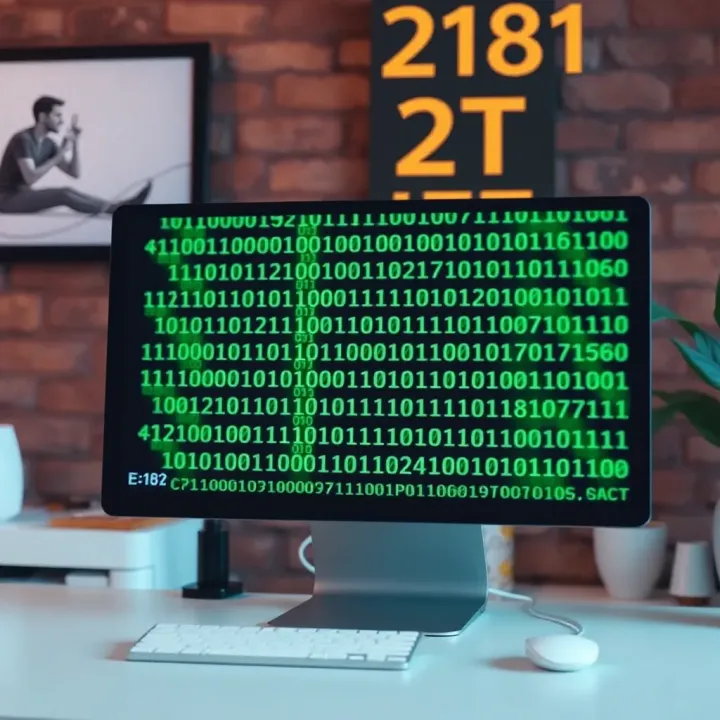
Binary wallpaper offers more than just rows of zeroes and ones; its appeal largely depends on how these elements are styled and presented. The stylistic variations and design features not only reflect technological aesthetics but also influence how the wallpaper fits into different environments—from digital screens to office walls. For traders and crypto enthusiasts, the choice in style can affect visual comfort during long hours of analysis or resonate with their tech-savvy identity.
Classic black and white designs have long been the hallmark of binary wallpaper. These monochrome patterns give a straightforward, no-nonsense look that echoes the simplicity of original binary coding. The contrast between black digits on a white background (or the opposite) is sharp, making the pattern clear and visually striking. Such designs work well as backdrops in trading rooms or desks where minimal distraction matters. For example, a monochrome binary wallpaper on a multi-monitor setup can offer a modern, clean background that doesn’t compete with colourful graphs or charts.
On the other hand, modern coloured renditions bring life and vibrancy to binary patterns. Designers use blues, greens, or even neon shades to mimic the glow of old-school terminal displays or to match modern UI themes. These coloured versions are popular on mobile devices and digital platforms where personalisation is a priority. Besides aesthetics, coloured binary wallpapers can help differentiate areas of a workstation or highlight sections visually. In Pakistan's growing tech hubs, such wallpapers are popular among startups and young professionals keen on a contemporary style that blends tech history with current trends.
Symmetrical binary arrangements provide a sense of balance and order, which can be calming in high-pressure trading environments. By organising binary digits in repetitive, mirror-like formats, these wallpapers offer a rhythm that mimics financial data streams or blockchains, making them fitting for investors and analysts. For instance, symmetrical layouts may present rows and columns of binary numbers that form grid-like structures, helping maintain focus without overwhelming the viewer.
Meanwhile, creative distortions and effects push binary wallpaper beyond its traditional limits. Designers introduce blurs, waves, or pixelated distortions to evoke movement or digital glitches. These abstract effects suit tech startups or crypto community event spaces looking for a modern edge. Such wallpapers can visually represent the volatility and dynamic nature of financial markets and digital currencies. However, it's important to balance artistic flair with clarity; overly distorted patterns might strain the eyes during extended periods.
Choosing the right style of binary wallpaper depends on your environment and purpose. Monochrome fits classic and focused settings, while coloured and abstract designs add personality and can energise tech-inspired spaces.
Monochrome patterns offer clarity and minimal distraction.
Coloured wallpapers add vibrancy and modern appeal.
Symmetrical designs create order, good for focus.
Abstract effects convey movement but require balance to avoid visual fatigue.
These design variations help binary wallpaper adapt to diverse personal and professional settings, offering practical benefits beyond just decoration.
Binary wallpaper serves as more than just a visual nod to tech culture; it offers practical appeal in both digital platforms and physical environments. Its unique patterns, rooted in binary code, provide aesthetic interest while reinforcing a tech-savvy atmosphere.
Using binary wallpaper as backgrounds for computers and mobiles enhances digital screens with a modern, minimalist style. For instance, a monochrome binary pattern can reduce screen glare and eye strain compared to colourful, busy images. This makes it practical for long hours spent trading or analyzing markets on devices.
In website design, binary wallpaper helps communicate a site's focus on technology and finance. Tech start-ups and cryptocurrency platforms often use subtle binary patterns in their header or footer areas to strengthen their brand identity. The pattern adds visual texture without distracting from the core content, balancing appeal with readability.
In physical spaces, binary wallpaper can transform rooms into tech-inspired environments. Imagine a trading floor or home office adorned with walls featuring sleek, binary code designs. This décor not only inspires professionalism but also creates an immersive setting conducive to concentration and analytical thinking.
Offices and co-working spaces benefit from binary wallpaper by reinforcing a shared culture of innovation and digital proficiency. For example, a co-working lounge with subtle binary motifs on walls or partitions fosters a sense of connection among tech professionals and investors. It is particularly effective in hubs like Karachi’s tech parks or Islamabad’s business centres, where such décor reflects a forward-looking mindset.
Binary wallpaper combines aesthetic charm with functionality, making it ideal for spaces where technology and finance intersect. Whether on screens or walls, it shapes an environment that supports focus and creativity.
Reduces eye fatigue when used as digital backgrounds
Enhances brand messaging in tech-oriented websites
Builds inspiring, modern atmospheres in workspaces
Encourages networking and shared identity in co-working zones
Binary wallpaper’s practical applications extend beyond decoration; it subtly influences mood and productivity in meaningful ways for traders, investors, and finance professionals alike.
Designing your own binary wallpaper offers a unique way to blend technology aesthetics with personal style. This approach allows you to tailor patterns specifically for digital devices or physical spaces, making the design more meaningful and engaging. Traders, investors, and crypto enthusiasts often prefer customised wallpapers that reflect their interest in technology and data, adding a layer of personal relevance while maintaining professional appeal.
Many graphic design applications are well-suited for creating binary wallpaper patterns. Programs like Adobe Illustrator and CorelDRAW allow precise control over shapes, lines, and layers, which is crucial when arranging binary code elements neatly. For those who prefer free software, Inkscape or GIMP offer solid alternatives with tools to produce vector-based or raster designs respectively. These tools help you manage motifs like 0s and 1s or other digital symbols with accuracy and flexibility, ensuring the wallpaper scales well across various screen sizes without losing clarity.
Online resources and templates make designing binary wallpapers accessible even if you lack advanced graphic skills. Websites offering pre-designed binary pattern templates can save time and provide inspiration, especially for beginners. Additionally, platforms such as Canva or Crello offer user-friendly editors with drag-and-drop features and a selection of digital motifs. These resources often include adjustable colour schemes and structure, so you can quickly modify the design to suit your brand or personal taste.
Choosing the right colour schemes and fonts plays a critical role in bringing your binary wallpaper to life. For example, traders or crypto enthusiasts might prefer dark backgrounds with neon or bright binary digits, reflecting the screens of trading terminals. Alternatively, soothing colour blends can create less distracting wallpapers for office use. Fonts that mimic digital or terminal style text amplify the tech vibe, but simplicity often works best to keep the design clean and readable.
Incorporating meaningful codes or messages adds an extra layer of personal touch to your wallpaper. You might embed specific binary sequences representing favourite stock ticker symbols, cryptocurrency addresses, or important dates. This subtle approach ensures that the wallpaper is not only visually appealing but also contains a hidden message known only to you or a select group, adding a sense of ownership and exclusivity.
Customising your binary wallpaper effectively combines design with personal significance, empowering you to create a background that speaks to your professional and personal interests while enhancing the visual appeal of your devices or spaces.
By using the right tools and focusing on personal details, creating your own binary wallpaper becomes both practical and rewarding, perfectly suited to your tech-focused lifestyle.
Finding quality binary wallpapers can really change how your digital spaces or interiors feel. Crisp, well-made wallpapers don’t just look good; they also improve the viewing experience by avoiding blurriness or pixelation, especially on large or high-resolution screens. Plus, a well-chosen binary wallpaper can enhance your workspace vibe, making it feel tech-savvy without being distracting.
When looking for binary wallpapers online, it’s best to stick to established websites known for offering high-resolution, properly designed patterns. Platforms like DeviantArt, Unsplash, and WallpaperAccess provide a wide variety of digital backgrounds, often free or under creative commons licences. These sites let you check user ratings and download images in various resolutions, saving you from compatibility headaches.
For paid options, marketplaces such as Adobe Stock or Shutterstock offer professionally designed binary wallpapers. These come with curated collections and customer support, which adds value if you want something specific or exclusive for your projects or offices.
Pakistani digital art platforms are also growing steadily, offering unique binary designs that blend local motifs or cultural themes with tech-inspired aesthetics. Sites like TenTwenty or local groups on Instagram and Behance showcase Pakistani artists’ work, giving you access to wallpapers that feel fresh and regional rather than generic global templates. Supporting these platforms helps nurture the local digital art community while giving you wallpapers with a distinct edge.
Resolution and scaling are key. An image that looks good on your smartphone may not work on a large desktop or a printed wall. Aim for wallpapers with at least 1080p resolution for screens and higher if you plan to use them on bigger display surfaces. Look out for vector-based designs or SVG files when possible, as they scale cleanly without losing quality.
Licence and copyright details must not be overlooked, especially if you plan to use these wallpapers commercially or share them publicly. Some images are free to use with attribution, while others require purchase or have restrictions on modification. Ignoring these rules can lead to legal troubles or takedown notices, which won’t help anyone. Always check the terms carefully and keep proof of purchase or permission to stay on the safe side.
Choosing the right binary wallpaper isn’t just about looks; it’s about ensuring technical compatibility and respecting creators’ rights. This attention to detail makes your digital environment truly stand out and stay professional.
By selecting wallpapers thoughtfully from trusted sources and checking their resolution and licence, you ensure your digital or physical space not only looks great but stays trouble-free too.
Explore binary parallel adders 🔢, their design, functions, and real-life uses in digital electronics. A handy guide for students and engineers in Pakistan.
Learn how binary converts to hexadecimal with detailed tables and step-by-step methods 📊. Perfect for students and tech enthusiasts in Pakistan 🇵🇰.
🔍 Understand the complexity of binary search, its efficiency in sorted data, practical tips, and how it stacks up against other search methods.
Explore binary relations 🔗 in depth – from core concepts and properties to real-world examples in discrete math and computer science, tailored for curious minds in Pakistan.
Based on 5 reviews