
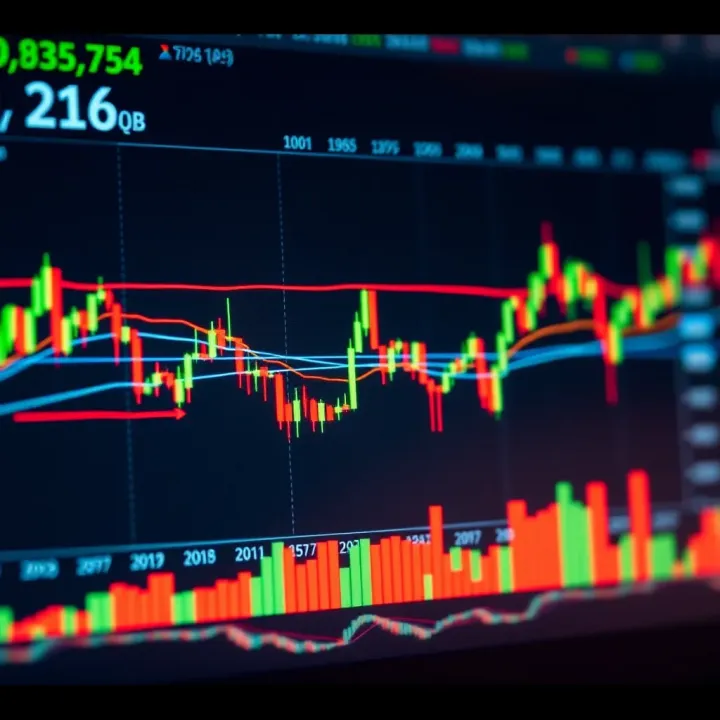
Best Forex Trading Indicator: What Works for You
Explore top forex indicators 📊 to boost your trading skills. Learn how to pick the best ones that fit your style and market conditions for smarter moves.
Edited By
Megan Brooks
Learning forex trading requires more than just keeping an eye on currency charts or relying on tips from online forums. Understanding the fundamentals, strategies, and market psychology is key to success. The right books provide structured knowledge, practical techniques, and insights from experienced traders that can help both beginners and seasoned investors make informed decisions.
In Pakistan, where interest in forex trading has grown due to digital access and currency fluctuations, choosing the right material is crucial. Some books focus on technical analysis, others on risk management or trading psychology—each aspect builds a solid trading foundation.

Successful forex traders treat education as an ongoing process. A good book can be your mentor, offering lessons that save costly mistakes later.
When selecting books, it’s important to consider their relevance to your trading style and learning goals. For example, a Pakistan-based trader may appreciate books that provide clear examples of market trends and risk controls applicable in emerging markets, rather than generic content designed only for developed economies.
A few things to keep in mind while looking for forex reading:
Practical strategies: Books with actionable trading setups and chart examples suit traders who want to apply what they learn quickly.
Market analysis techniques: Understanding how to read price patterns, support/resistance, and indicators builds confidence.
Risk management: Knowing how to protect your capital can save you from major losses.
Trading psychology: Discipline and controlling emotions often decide long-term success.
Several well-known titles have become staples because they cover these areas clearly and concisely. However, not all books cater equally to local market conditions or beginner levels.
This article will highlight some of the most valuable and trustworthy books for forex trading learners in Pakistan, focusing on resources that combine theory with practical knowledge. By picking the right books, you’ll avoid overwhelm and build skills step by step, helping you approach the forex market with greater confidence and a sharper edge.
Starting your forex trading journey with the right books can save you from costly mistakes and confusion. The forex market operates in a complex world influenced by various factors like global economics, geopolitical events, and market psychology. Therefore, learning from trusted literature helps make sense of these moving parts without jumping straight into live trading. Literature on forex trading builds your practical knowledge in areas such as currency pairs, market hours, leverage, and trading platforms.
Books provide a clear understanding of how forex markets work behind the scenes. For example, when you read about the difference between spot, forward, and futures markets, or how central bank policies affect currency values, you grasp essential connections that charts alone won’t show. This context is vital for interpreting price movements rather than guessing blindly. Understanding market dynamics also includes recognising the role of interest rates, political stability, and trade balances—all crucial in analysing currency strength.
Jumping directly into live forex trading can lead to losses without proper preparation. Reading books on trading strategies, market analysis, and risk management builds a solid base before risking real money. For instance, learning about stop-loss orders and position sizing in these books prevents reckless trading decisions influenced by emotions. This foundation also sharpens your discipline and patience, qualities necessary when dealing with market volatility.
Not all books suit every trader. If you’re new to forex, start with literature that covers basic concepts without overwhelming jargon. For intermediate or advanced traders, look for books offering sophisticated technical or fundamental analysis methods. Matching the book’s complexity with your experience ensures efficient learning.
Before picking a book, clarify what you aim to achieve. Are you interested in short-term scalping or long-term fundamental investing? Do you want to learn trading psychology to improve discipline? Choose books that directly address your goals. This focused approach will optimise your study time and keep you motivated.
Forex trading in Pakistan comes with specific challenges like broker regulations by the State Bank of Pakistan and limitations on foreign exchange. Books that include examples tailored to Pakistani traders or cover region-specific rules provide valuable insights. Also, practical guides explaining popular platforms such as MetaTrader or mobile apps commonly used in Pakistan make the theory easier to apply. Avoid overly generic material that doesn’t consider local market nuances.
Reading the right forex books can equip you with knowledge and skills that textbooks and online videos alone might not provide, especially when they consider your local context and personal trading journey.
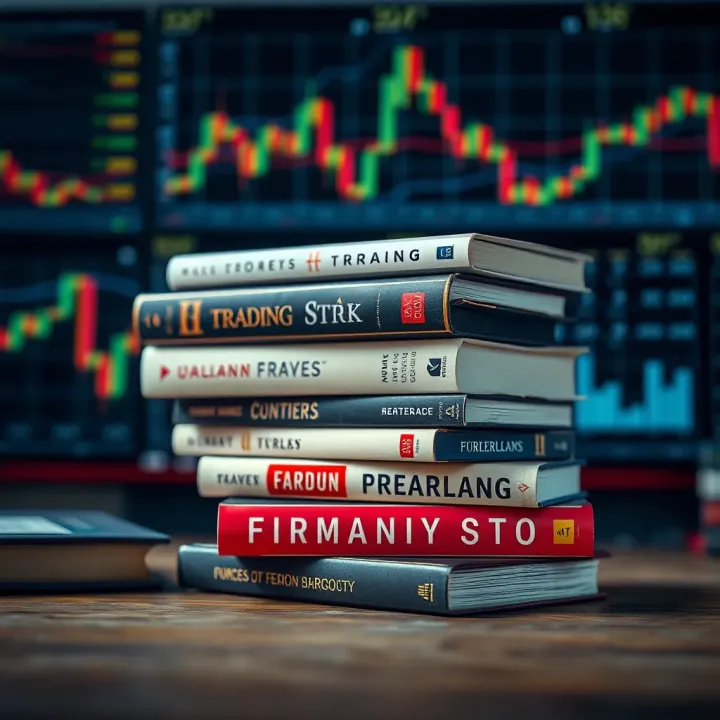
Choosing the correct forex literature is the first step to becoming a confident trader. It bridges the gap between theory and practice, helping you avoid guesswork and develop strategies suited to your needs.
Starting with the right books is vital for anyone entering forex trading. These texts lay the groundwork for understanding how currency markets work, which terms traders frequently use, and the basics needed before risking real money. For Pakistani traders, this foundation is key because it helps navigate the volatile forex environment and apply strategies suited to local regulations and economic conditions.
The forex market operates 24 hours across the globe, involving currency pairs such as USD/PKR, EUR/USD, and GBP/PKR. Beginners must grasp key concepts like 'pip', 'spread', 'leverage', and 'margin' to follow market movements accurately. These terms are more than jargon; they directly affect your capital and potential profits or losses.
Books that break down these terms clearly, like "Currency Trading for Dummies" by Brian Dolan, provide practical introductions. Such books offer real-world examples that help beginners relate abstract concepts to daily market activity. For example, understanding how economic announcements in the US affect the USD/PKR rate can be clearer with straightforward explanations provided in these resources.
Moreover, literature that clarifies how supply and demand, interest rates, and geopolitical events influence currency prices proves crucial. This knowledge isn't just academic; it informs trading decisions and helps avoid costly mistakes in unpredictable market conditions.
Market mechanisms include order types, trading hours, and the role of brokers. Simple, reader-friendly books explain how forex brokers operate, highlighting the importance of choosing a regulated broker compliant with Pakistan's State Bank policies. For instance, knowing the difference between a market order and a limit order prevents entry at unfavourable prices.
A good beginner book explains the concepts without overwhelming the reader, easing the learning curve. "Forex for Beginners" by Anna Coulling focuses on such practical guides, making it easier for new traders to comprehend the rhythm of buying and selling currencies.
Beginner-friendly books often include straightforward trading strategies that don’t require complex analysis or expensive tools. Picking books that cover strategies such as trend following, breakout trading, or simple moving average crossovers aids beginners in building confidence.
For example, "The Little Book of Currency Trading" by Kathy Lien walks readers through actionable approaches that accommodate small accounts, which is realistic for many Pakistani traders starting with modest capital.
Books featuring detailed case studies and examples help bridge theory and practice. Seeing how a trader applied a strategy in response to a central bank announcement or a political event in Pakistan makes the lessons concrete.
For instance, some texts analyse the effects of the State Bank of Pakistan’s monetary policy announcements on the PKR’s value, guiding beginners in interpreting similar events. This practical angle enables readers to anticipate market reactions and apply their learning effectively.
Starting with well-chosen books that explain basics and offer realistic strategies improves your chances of success. Beginners should look for resources presenting clear examples tied to everyday market events, especially those relevant to the Pakistani forex landscape.
By absorbing these fundamentals through the right literature, novice traders can build a robust foundation before facing live market challenges.
Advanced trading techniques improve your ability to make informed decisions in the highly volatile forex market. This stage moves beyond basic concepts to include deeper understanding of price actions and market forces. For traders in Pakistan, mastering these methods can be quite useful, especially because the forex market reacts swiftly to both local and global economic shifts.
Learning how to read charts and use indicators forms the backbone of technical analysis. Charts display historical price data, helping traders spot trends, patterns, and potential entry or exit points. Indicators like Moving Averages, Relative Strength Index (RSI), and Bollinger Bands assist in interpreting this data by highlighting momentum, volatility, and overbought or oversold conditions. For instance, a trader noticing a crossover of moving averages might view it as a sign to enter or exit a trade.
Books focusing on technical tools show how professionals apply these indicators practically. Such texts often break down complex concepts into actionable steps — from drawing support and resistance lines to applying Fibonacci retracement levels. These methods can help Pakistani traders better time their trades, reducing guesswork and improving accuracy.
Fundamental analysis involves understanding how economic events shape currency values. This includes watching interest rate decisions, inflation reports, Gross Domestic Product (GDP) data, and political developments. For example, when the State Bank of Pakistan changes policy rates, it impacts the PKR’s strength, which in turn affects forex trading decisions.
Books focusing on macroeconomic factors provide insight into these events' wider effects, helping traders anticipate market responses. They explain how global news, such as US Federal Reserve meetings or oil price fluctuations, influence currency pairs that Pakistani traders often focus on, like USD/PKR or EUR/PKR. This knowledge enables traders to contextualise price moves rather than relying purely on charts.
Remember, combining technical and fundamental analysis gives a fuller picture of the market. Advanced books supporting this integration help traders develop adaptable strategies fit for both short-term moves and long-term trends.
By improving your grasp of advanced tools and economic influences, you sharpen your edge in forex trading. The recommended books in these areas will guide you step-by-step through technical strategies and fundamental insights suited to market realities here in Pakistan.
Risk management and trading psychology shape the backbone of successful forex trading. Managing your money wisely reduces losses and protects capital, while mastering your mindset helps you stick to your strategy during market swings. Ignoring these aspects often leads to emotional decisions and avoidable mistakes, even if your technical skills are sound.
Books covering risk control and money management explain how to protect your trading account from significant losses. They teach concepts like setting a maximum risk per trade, diversifying trades, and using leverage cautiously. For instance, a trader allocating only 1-2% of their capital per trade limits potential damage if the market moves against them. These risk controls work as guardrails, helping traders avoid wiping out their accounts in volatile conditions.
Setting stop-loss orders and position sizing techniques form practical tools within risk management. Stop-loss orders automatically close your trade at a predefined loss level, preventing the bleeding of funds during unexpected market moves. Position sizing determines the amount invested in each trade based on the stop-loss distance and risk tolerance. For example, if you are willing to risk Rs 5,000 and your stop-loss is 50 pips away, position sizing will calculate the lot size that keeps risk within this limit. This approach prevents betting too much on a single trade and keeps your overall portfolio balanced.
Trading demands emotional discipline, not just technical knowledge. Understanding psychological challenges, such as fear of missing out (FOMO), revenge trading, or overconfidence, is crucial. Books on emotional discipline guide traders on maintaining patience, accepting losses as part of trading, and avoiding impulsive decisions.
Recommended books on trader psychology explore these elements and offer strategies to cultivate mental toughness. They often include real-life examples demonstrating how emotions can sabotage trades or how a calm mindset can turn adversity into opportunity. For Pakistani traders, who may face additional stress from economic uncertainties and market fluctuations, mastering the trading mindset is especially important for consistent performance.
Developing strong risk management and psychological control together provides a solid foundation that supports long-term forex trading success. Without these, even the most advanced strategies can fall apart under pressure.
By focusing on practical risk controls and mental discipline, traders can improve their chances of staying profitable and making informed decisions in the fast-moving forex market.
Practical guides designed specifically for Pakistani forex traders help bridge the gap between global market theories and local realities. These resources focus on relevant regulations, currency behaviours, and technology platforms commonly used in Pakistan, making trading decisions more context-specific and effective. Without such tailored guidance, traders may struggle to apply generic knowledge to Pakistan's unique financial environment.
When it comes to Pakistan, understanding forex regulations is non-negotiable. Books focused on local regulatory frameworks shed light on the State Bank of Pakistan’s (SBP) rules on currency trading, permissible transaction channels, and reporting requirements. For instance, traders must be aware that direct forex trading through unlicensed brokers can lead to legal complications. Guides explaining these details not only help traders avoid penalties but also assist them in selecting lawful trading paths.
Choosing a broker compliant with local rules is critical. The SBP has clear policies to restrict money laundering and promote transparency, which means brokers operating in Pakistan need valid licences and approved operating procedures. Books discussing how to verify broker licenses and identify red flags enable traders to avoid unreliable or fraudulent platforms. For example, local guides recommend confirming broker registration with Pakistan’s Securities and Exchange Commission (SECP) and checking for connections with PTAs (Pakistan Telecommunication Authority) or other financial bodies, aligning with SBP directives.
Books that cover popular trading platforms in Pakistan are invaluable. Platforms like MetaTrader 4 and 5, cTrader, and even some proprietary apps have strong user bases locally. Guides explaining the interface, order types, and commonly used indicators on these platforms help traders operate confidently. Some resources also include tutorials on settings best suited for Pakistan’s internet speeds to minimise lag during volatile market hours.
Mobile trading has surged thanks to smartphones and mobile internet expansions in Pakistan. Guides that delve into resources for mobile trading focus on apps compatible with JazzCash and Easypaisa payment systems, essential for quick deposits and withdrawals. Additionally, they often point out analysis tools with Urdu or English interfaces that simplify technical analysis for traders. Using these tools reduces dependence on heavy desktop software and adapts to local connectivity situations, especially during loadshedding or network constraints.
Traders who use Pakistan-focused guides tend to avoid costly mistakes and often adapt more quickly to market changes, thanks to insights tailored for local conditions.
By choosing the right books and guides that focus on Pakistan’s regulatory, technological, and market specifics, forex traders can develop a practical and well-informed approach that suits their environment perfectly.
Explore top forex indicators 📊 to boost your trading skills. Learn how to pick the best ones that fit your style and market conditions for smarter moves.
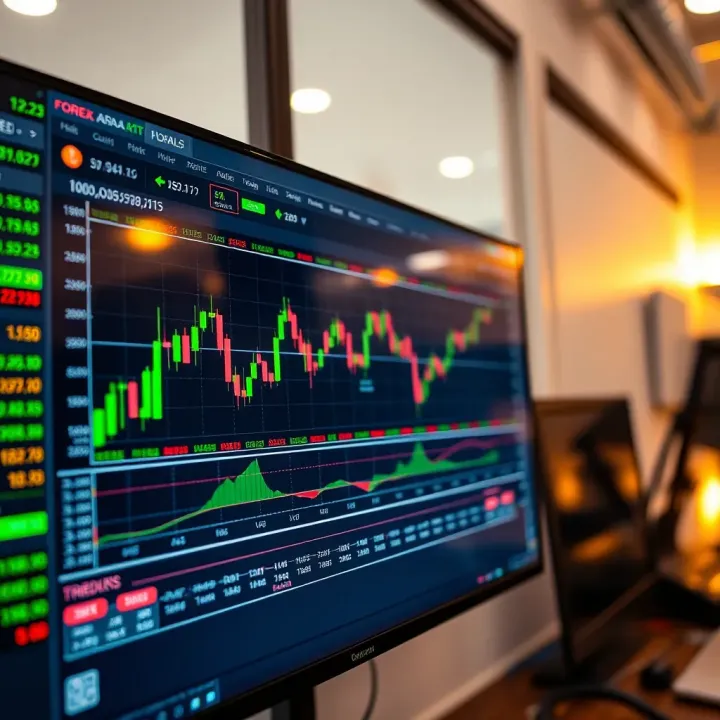
Find the ideal forex trading platforms in Pakistan with our detailed guide on usability, fees, regulation, and features. Start trading smart with 📈💰 today!
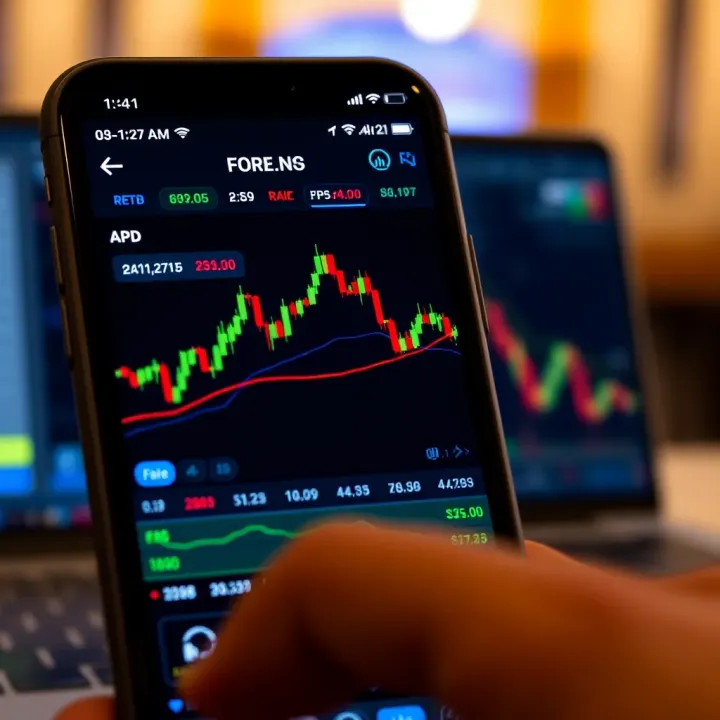
Discover the top forex trading apps for Pakistani traders 🇵🇰! Compare ease of use, security features 🔒, tools, and broker options to find your perfect fit 💹.
🔎 Find the best forex broker in Pakistan with tips on regulation, fees, platforms, and service. Trade smart and avoid common local challenges!
Based on 15 reviews