

Choosing the Best Forex Brokers in Pakistan
Looking for top Forex brokers in Pakistan? Discover tips on regulation, fees, platforms, and support to trade safely and smartly.💰📉📈
Edited By
Amelia Green
Forex chart patterns are essential tools for anyone serious about currency trading, especially in Pakistan's dynamic forex market. These patterns help traders decode what the charts are signalling about price movements and market sentiment, guiding decisions rather than leaving them to guesswork.
At their core, chart patterns reveal shifts in supply and demand between buyers and sellers. When you spot a clear pattern, it often indicates whether the price is likely to continue in the same direction—or if it might reverse. Understanding these patterns sharpens timing for entry and exit points, saving you from jumping in or pulling out at the wrong moments.
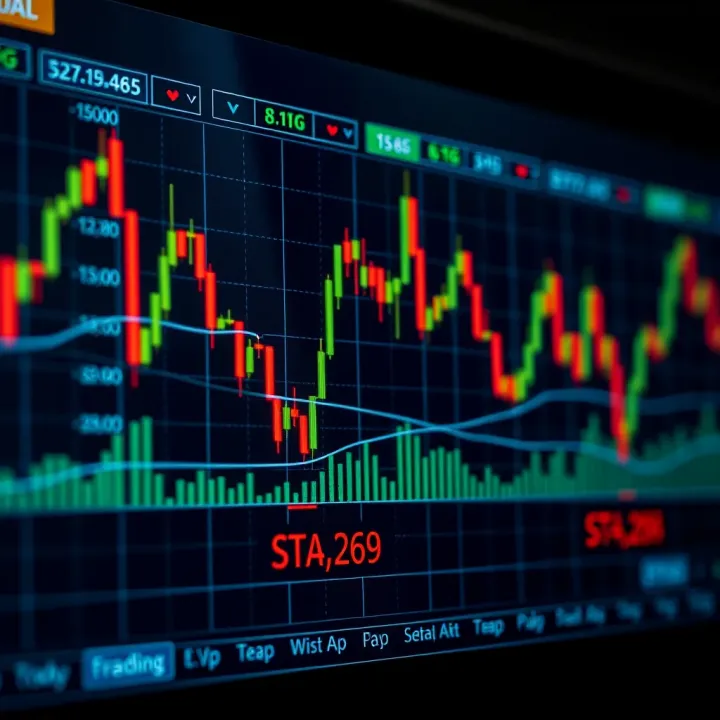
Five main types of forex chart patterns dominate trading strategies:
Trend Continuation Patterns: These suggest the current price trend will persist.
Reversal Patterns: Indicate a likely change in trend direction.
Bilateral Patterns: Could signal either continuation or reversal, depending on future price action.
Volume Patterns: Give clues about market strength behind price moves.
Timeframe Significance: Patterns gain reliability when observed over suitable timeframes.
In Pakistan, where forex trading volumes can fluctuate due to economic events or regulatory announcements by the State Bank of Pakistan or FBR policies, recognising patterns becomes even more vital. For example, during the budget announcement, traders watch for reversal patterns signalling changes in PKR value.
Mastering these basic patterns and understanding their context helps build a disciplined trading approach and reduces emotional decisions.
Additionally, different chart timeframes—like 15-minutes, hourly, or daily—can affect how a pattern should be interpreted. A breakout on a daily chart often carries more weight than the same on a 5-minute chart.
In this article, you'll learn to identify the most reliable forex chart patterns, understand their nuances, and apply this knowledge practically for smarter trading within Pakistani forex conditions. Familiarity with these patterns is a stepping stone to improving your trading results and managing risk better.
Forex chart patterns form the backbone of technical analysis in trading, especially for those dealing in currency markets. Understanding these patterns allows traders to anticipate price movements based on historical data, improving the chances of making profitable decisions. In Pakistan's forex market, where volatility can spike due to political or economic news, chart patterns provide a visual guide that reflects changing trader sentiment.
Forex chart patterns are shapes formed by the price movements of currency pairs over time. These patterns represent repeated behaviours in price action, signalling either the continuation of a trend or a possible reversal. For instance, a ‘head and shoulders’ pattern often warns traders about a coming drop in price, while a ‘flag’ pattern might indicate the trend will keep going.
The patterns are identified by connecting highs and lows on forex charts, normally using candlesticks, bar charts, or line charts. They serve as a snapshot of market conditions, condensing the collective actions of buyers and sellers into commonly recognised shapes.
Chart patterns matter because they help traders make decisions based on probabilities rather than guesses. Instead of relying on hunches, traders use these patterns to spot opportunities with better risk-to-reward ratios. For example, when a double bottom pattern appears, it hints that the price is likely to rebound, encouraging traders to consider a buy position.
Relying on chart patterns also helps traders plan entry and exit points more efficiently. This reduces emotional trading, which often leads to unnecessary losses. Pakistani forex investors, facing an often unpredictable market, find value in these patterns as a steady reference point.
Chart patterns mirror collective trader psychology—fear, greed, hesitation, and optimism. When many traders watch the same patterns, their actions become self-fulfilling prophecies. For instance, a breakout from a triangle pattern triggers a rush of buying or selling as traders react to the signal.
These patterns highlight shifts in market sentiment. A rising wedge may show weakening momentum, suggesting that buyers are tiring. Conversely, a strong flag pattern can depict continued enthusiasm among buyers. Understanding this emotional ebb and flow is vital for grasping why prices behave as they do.
Chart patterns guide traders on when to enter or exit trades with greater confidence. Following clear pattern signals allows traders to set logical stop-losses and targets. For example, in a head and shoulders reversal, a sell trade is usually placed once the price drops below the neckline, with stops above the head.
Using these patterns helps Pakistani traders avoid jumping in too early or late. It also improves discipline, keeping profit targets realistic and losses minimal. Combining this approach with other analysis tools ensures smarter and more effective trading strategies.
Properly understanding forex chart patterns can significantly improve your trading discipline and outcomes, especially in volatile markets like Pakistan's.
Identify key patterns to predict market moves.
Use patterns to plan your trades logically.
Recognise how trader psychology shapes price formations.
This section sets up the foundation for recognising and applying chart patterns, essential for anyone serious about forex trading in Pakistan or beyond.
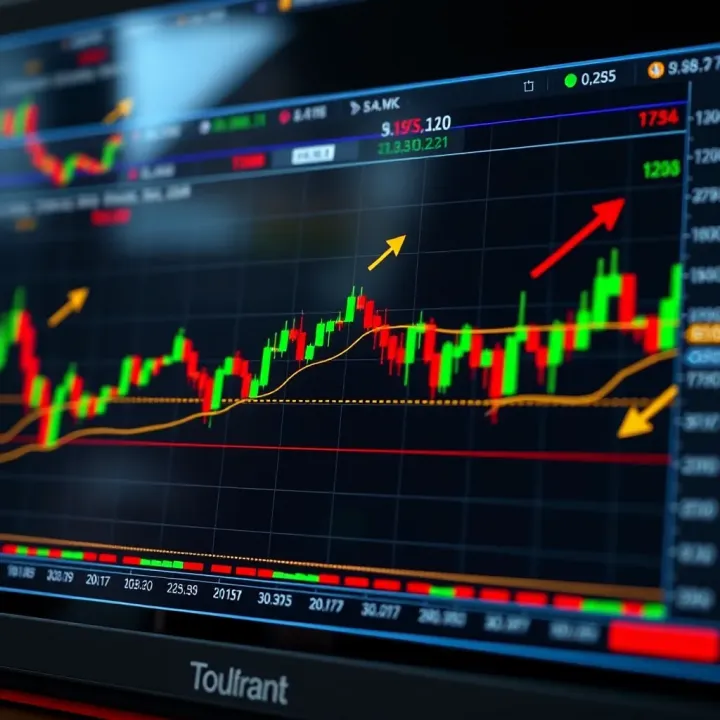
Forex chart patterns are vital tools in forecasting price movements. They tell traders whether a trend is likely to continue or reverse. Understanding these patterns helps spot profitable trading opportunities and avoid costly mistakes. Among the common types, trend continuation and reversal patterns stand out for their practical applications.
Flags and pennants signal brief pauses before a trend continues. A flag looks like a small, sloping rectangle moving opposite the current trend, while a pennant forms a tiny symmetrical triangle. For example, in the PKR-USD pair, if the price is rising steadily and then forms a flag, traders expect the upward move to resume once the pattern completes.
These patterns are especially useful because they appear frequently and indicate that momentum is just taking a short break. In fast markets like forex, recognising flags or pennants helps traders avoid jumping out too early and lets them ride the trend further.
Rectangles occur when price moves sideways between two parallel support and resistance levels. They represent consolidation phases where buyers and sellers are indecisive. Triangles, on the other hand, show price squeezing into narrower ranges, either as ascending, descending, or symmetrical triangles.
In practice, triangles often predict breakouts—either continuation or reversal—so keeping an eye on volume during this phase is key. Pakistani traders, watching the PKR-EUR pair, often note triangle formations before significant market moves, helping time their entries or exits better.
The head and shoulders pattern signals that a current trend may be ending and a reversal is near. It has three peaks—the middle (head) being higher than the shoulders on either side. An inverse head and shoulders form during downtrends indicating a bullish reversal.
Traders use this pattern to prepare for trend changes. For instance, on the PKR-USD chart, spotting a head and shoulders pattern might prompt a trader to close long positions or consider shorts, anticipating a downward move.
Double tops mark strong resistance where price fails twice and starts to fall, while double bottoms show solid support preventing further declines. These patterns confirm market hesitation and potential reversals.
A practical example is when the PKR-EUR rate hits the same resistance twice but doesn't break through. This signals sellers' strength, and a trader might get ready to exit long positions or open shorts.
Triple tops and bottoms are less common but stronger reversal signals. They form when price tests the same level three times without breakthrough, indicating even more consolidated support or resistance.
For Pakistani forex traders, seeing a triple top in the PKR-USD pair can mean the uptrend is exhausted and a bearish move follows. These patterns demand well-timed exits or reversals to protect profits or capital.
Recognising these common chart patterns empowers traders to make more informed decisions by reading the market’s rhythm. Combining pattern analysis with volume and timeframe insights boosts accuracy and performance in forex trading.
Through these patterns, you get a clearer picture of when trends will push forward and when they might hit a wall. That knowledge is especially useful in the Pakistani forex market, where price moves can be volatile but also ripe with opportunity.
Recognising reliable chart patterns is key to successful trading. Not all patterns carry the same weight; some may mislead traders if not confirmed properly. Knowing how to identify trustworthy formations can save you from costly false signals and help time your trades more effectively. This section highlights two main factors: volume and timeframe, which often make the difference between a solid pattern and a weak one.
Volume trends during pattern formation tell us about market participation. When a chart pattern is forming, steady or increasing volume often supports the relevancy of the pattern. For example, when a triangle pattern develops on a PKR-USD chart, gradually rising volume suggests that investors are actively involved and the breakout that follows might hold value. Conversely, if volume drops during formation, it indicates low interest, increasing the chances of a fake breakout or failure.
Volume spikes and breakouts serve as confirmation signals. When price breaks above or below key pattern boundaries like a rectangle or head and shoulders, look for an accompanying surge in volume. A loud volume push means buyers or sellers have stepped in strongly, validating the breakout's strength. For instance, suppose the PKR-EUR pair breaks out from a double bottom pattern with higher-than-average volume; this increases confidence that the reversal is genuine and may continue upwards.
Short-term versus long-term patterns matter because reliability often scales with time. Patterns on longer timeframes — daily, weekly charts — carry greater significance as they filter out intraday noise. A double top on a daily chart is usually more dependable than one seen on a 15-minute chart. However, day traders in Pakistan may still profit from short-term patterns on one-hour charts by combining them with strict stop-loss rules to manage increased volatility.
Combining multiple timeframes improves decision-making by offering broader perspective alongside detail. Start by identifying a major pattern on a daily or four-hour chart to understand the main trend. Then zoom into smaller frames like 30 minutes or 15 minutes to spot entry points aligned with the bigger picture. For example, if a trend continuation flag appears on the daily PKR-USD chart, confirming the breakout on an hourly chart with volume spikes increases the chance of a successful trade.
Understanding volume dynamics and the role of timeframe allows traders to separate reliable chart patterns from random movements. This approach increases confidence and helps build a disciplined trading strategy suited for Pakistan’s forex market conditions.
By focusing on volume and timeframe, you not only spot better patterns but also avoid traps caused by low liquidity or impatient trading. This knowledge is especially useful when volatility spikes during economic announcements or political events, common in Pakistan’s forex scene.
Chart patterns play a meaningful role in Pakistan’s forex market by helping traders decode price movements and anticipate future trends. Unlike purely technical markets, Pakistan’s forex scene is influenced by its unique economic and political environment, which makes pattern recognition especially useful for managing risk and spotting opportunities.
The PKR-USD pair is by far the most traded currency in Pakistan, reflecting the country’s heavy reliance on dollar remittances and imports. Chart patterns like head and shoulders or double tops appear frequently on PKR-USD daily charts, signalling key reversal or continuation points. For example, an emerging rectangle pattern during volatile remittance season may indicate a consolidation before a breakout either way, helping traders anticipate swings.
Similarly, PKR-EUR pairs are gaining attention among Pakistani traders, particularly exporters dealing with European clients. Triangles and pennants tend to form on PKR-EUR pair charts during periods of political uncertainty in Europe or Pakistan. Recognising these patterns allows traders to position themselves ahead of major moves sparked by trade news or central bank decisions.
Volatility in Pakistani forex pairs can spike sharply due to events like government policy announcements or sudden changes in foreign investment flows. This volatility often causes false breakouts in chart patterns, making it essential for traders to watch volume and confirmation signals carefully. For instance, a breakout of a flag pattern on PKR-USD without volume support can quickly reverse, trapping unprepared traders.
Moreover, intra-day volatility often rises around key economic releases such as the State Bank of Pakistan’s monetary policy statements. Patterns identified on shorter timeframes during these windows require strict risk management due to quick price swings.
Forex markets in Pakistan face irregular regulatory interventions and market rumours that can sometimes overpower technical signals. Sudden import restrictions, rupee devaluation talks, or unexpected circulars from the State Bank may cause abrupt price jumps unrelated to chart patterns.
Traders must therefore combine pattern analysis with staying updated on latest regulatory developments. For example, a clean breakout pattern may get invalidated if government imposes new currency controls, turning a predictable move into a volatile mess.
Liquidity in Pakistan’s forex market varies significantly during different hours, especially since local trading activity is smaller compared to global FX markets. Most volume concentrates during overlap with major international forex sessions, such as London and New York. Outside these periods, spread widens and price can become erratic, making pattern formations less reliable.
Additionally, Pakistani traders must consider local market closures on public holidays or during Eid, which can cause gaps and disrupt normal chart patterns. It’s wise to adjust trading strategies during these times, focusing more on stable patterns formed in high-liquidity hours.
Understanding these Pakistan-specific challenges helps traders use chart patterns more effectively, avoiding pitfalls unique to the local forex environment.
To sum up, while the Pakistani forex market offers rich opportunities through popular pairs like PKR-USD and PKR-EUR, traders must heed volatility, regulatory influences, and liquidity conditions. Combining chart patterns with local market awareness ensures practical, informed trading decisions.
When working with forex chart patterns, practical tips can make a big difference in your trading success. Chart patterns give signals about potential price movements, but relying on them blindly can lead to losses. Traders need to combine pattern recognition with sound risk management and other tools to avoid losing trades, especially in Pakistan’s volatile forex market.
Setting stop-loss based on patterns helps protect your capital if the market moves against you. For example, if you spot a double top pattern forming on the PKR-USD pair, placing a stop-loss just above the pattern’s high limits your loss if the breakout turns out false. This simple step prevents minor mistakes from wiping out sizeable portions of your account. It’s best to set stop-loss points according to the pattern’s structure rather than arbitrarily, as this reflects actual market behaviour.
Avoiding false signals is equally important. Many patterns may look convincing but fail to deliver expected moves due to low volume or external influences like economic news. For instance, if you see a head and shoulders pattern forming on PKR-EUR but the volume doesn’t increase on the breakout, the signal might be weak. Waiting for confirmation through volume spikes or a clear candle close beyond the pattern’s boundary reduces the chance of falling for a fake breakout.
Using indicators alongside patterns improves your chances of success. Tools like the Relative Strength Index (RSI) or Moving Average Convergence Divergence (MACD) can confirm whether the market is overbought or oversold, providing extra proof for a pattern’s signal. For example, a bullish flag pattern paired with an oversold RSI reading on the 4-hour chart of PKR-USD strengthens the case for a buy trade. Such combinations give traders more confidence before entering positions.
Fundamental factors to consider should not be overlooked, especially in Pakistan’s forex market. Political developments, changes in State Bank of Pakistan’s interest rates, or geopolitical tensions can quickly influence currency moves, overriding technical signals. For example, even a strong breakout pattern may fail if Pakistan announces unexpected economic measures. Keeping an eye on news events alongside chart patterns allows traders to adapt strategies and avoid surprises.
Practical trading balances chart patterns with risk controls and broader market context. This approach helps traders avoid costly errors and improves the quality of trade entries and exits.
By focusing on these practical tips, traders in Pakistan can better manage the uncertainties of forex markets and take more informed decisions based on chart patterns.
Looking for top Forex brokers in Pakistan? Discover tips on regulation, fees, platforms, and support to trade safely and smartly.💰📉📈

Find the ideal forex trading platforms in Pakistan with our detailed guide on usability, fees, regulation, and features. Start trading smart with 📈💰 today!

Discover the top forex trading apps for Pakistani traders 🇵🇰! Compare ease of use, security features 🔒, tools, and broker options to find your perfect fit 💹.
📉 Learn to spot bearish chart patterns in technical analysis that signal falling stock prices. Understand key formations, practical tips, and risk control.
Based on 6 reviews