
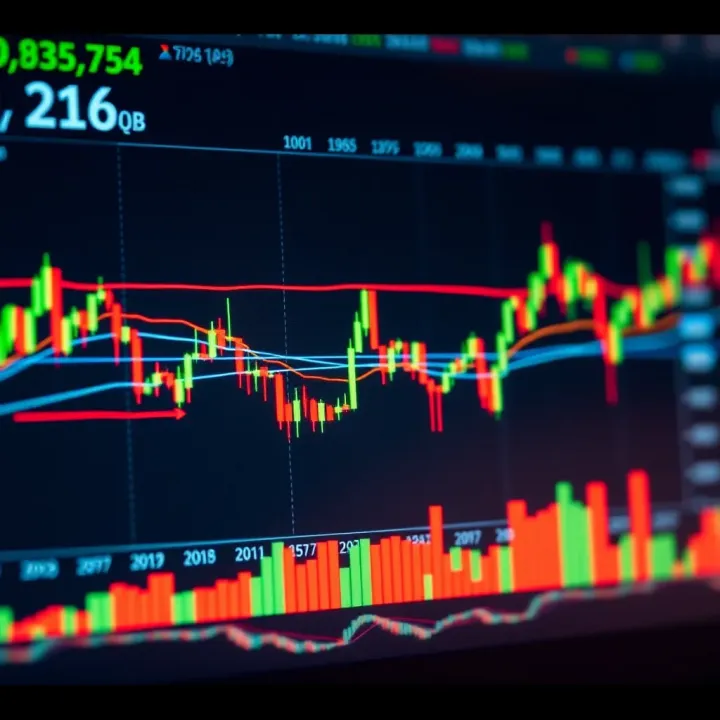
Best Forex Trading Indicator: What Works for You
Explore top forex indicators 📊 to boost your trading skills. Learn how to pick the best ones that fit your style and market conditions for smarter moves.
Edited By
Benjamin Ford
Learning forex trading can feel like navigating a bustling Lahore bazaar without a guide. For Pakistani traders, books remain one of the best starting points to understand this complex market. Unlike quick online videos or noisy forums, books offer detailed strategies and time-tested knowledge that you can revisit at your own pace.
Choosing the right forex trading book matters a lot. It’s not just about getting any bestseller but finding books tailored to your needs, especially considering Pakistan’s unique economic environment, currency behaviour, and regulatory setup. For example, understanding how the Pakistani Rupee (PKR) fluctuates against the US Dollar and other currencies requires attention to specific global and local factors that some international books might miss.

Many important forex books explain core concepts such as technical analysis, chart reading, risk management, and trading psychology. For Pakistani traders, these concepts need a practical approach, given challenges like occasional internet slowdowns, limited access to some platforms, and a market that operates 24/5 globally but with local quirks due to time zone differences.
Reading the right forex book equips you with critical tools, such as recognising entry and exit points, setting stop-loss orders to protect your investment, and managing emotional highs and lows that affect decision-making.
When you pick a forex trading book, check if it includes:
Case studies or examples relevant to emerging or developing markets
Strategies that work without requiring expensive software or platforms
Clear explanations of risks and how to manage them safely
Outside traditional books, combining reading with online resources from Pakistan-based brokers or financial news portals can amplify your understanding. Local insights focus on how geopolitical tensions, trade balances, or remittances affect currency flows, which isn’t always covered in general forex literature.
In this guide, we will explore recommended books that bring value specifically to Pakistani traders, the trading strategies they offer, and how to apply these lessons practically to improve your forex trading journey.
Selecting the appropriate forex trading book is a pivotal step for any trader, especially in Pakistan where market conditions and trading infrastructure vary significantly. The right book can bridge gaps in knowledge, suit your trading style, and guide you through complexities unique to forex markets. For example, a beginner starting with a comprehensive guide on basic currency pairs and market operations will progress faster than someone jumping into advanced strategy books prematurely.
Beginners need books that explain forex fundamentals with clarity. Such books introduce core concepts without overwhelming jargon, helping new traders understand how currency pairs work, what influences exchange rates, and how to place basic trades. On the other hand, advanced traders require material focusing on complex strategies, algorithmic trading, and detailed risk management. An example for beginners might be a straightforward text breaking down PKR exchange rate fluctuations, while advanced readers may look for analysis-heavy books covering multiple time frames or high-frequency trading techniques.
Traders should also pick books based on which aspect of trading they want to develop. Technical analysis books focus on chart patterns, indicators, and trend identification—skills essential for those relying on price action. Fundamental analysis materials explain how to interpret economic data, central bank policies, and geopolitical events that affect currencies. Meanwhile, books on trading psychology help manage emotions, improve discipline, and prevent impulsive decisions—an important area often overlooked but vital for success. Selecting the right area depends on your current weaknesses or goals, for instance, a trader struggling with losses due to poor emotional control should prioritise psychology-focused books.
It’s crucial to check if authors have real market experience rather than just theoretical knowledge. Books written by traders or analysts who have operated in live markets offer valuable, actionable insights. For example, an author who has navigated Pakistan’s volatility in the PKR or has traded international forex with a PGA broker can share practical tips that generic textbooks miss. This kind of background ensures the strategies and advice are grounded in reality.
Reading reviews from Pakistani forex forums and social media groups can give a clear picture of a book’s usefulness in local context. Traders often share which books helped them understand the forex scene in Pakistan, including handling local broker platforms or coping with unique market events. Positive feedback from established traders in these communities adds credibility, while warnings about outdated or impractical books can save time and money. Engaging with local groups like those on Facebook or Telegram also provides ongoing support beyond just the book itself.
Choosing the right forex trading book isn’t just about content; it’s about fit. The book should match your experience level, address your learning priorities, and come from trusted authors recognised by Pakistani traders.
This approach ensures your reading translates into profitable trading decisions rather than confusion or wasted effort.
Understanding the core concepts in forex trading is essential for any trader aiming to succeed, especially in a market as dynamic as Pakistan’s. Forex books break down these principles into manageable parts, offering insights that help you grasp how currency markets work, the techniques used to analyse them, and the crucial aspect of managing risks and emotions.
The forex market operates through a global network where currencies are bought and sold in pairs. This means every trade involves exchanging one currency for another. For example, if you buy USD/PKR, you are purchasing US dollars using Pakistani rupees. Understanding this mechanism helps traders anticipate how events in one country can influence currency values internationally.
Pakistan’s forex environment is affected by local factors, including SBP policies and foreign remittances, which often cause PKR volatility. Knowing how the market functions, including trading hours which run 24/5, allows Pakistani traders to plan entry and exit strategies wisely.
Major and minor currency pairs are categorised based on liquidity and global usage. Majors include pairs like EUR/USD, GBP/USD, and USD/JPY, which are most traded worldwide and generally see lower spreads. Minor pairs, such as EUR/GBP or AUD/NZD, involve less traded currencies and can have higher costs.
For Pakistani traders, understanding which pairs are active during local market hours is vital. Since PKR is not traded around the clock internationally, pairs involving USD and other major currencies offer more opportunities for trading during Pakistani business hours.
Charts, indicators, and trend lines form the backbone of technical analysis. Forex books teach how to read candlestick patterns, use tools like Moving Averages or Relative Strength Index (RSI), and identify support and resistance levels. These tools help you spot entry points and predict possible price movements.
On the other hand, fundamental analysis focuses on economic data and global events. Pakistani traders must keep an eye on SBP interest rate decisions, trade balance reports, and geopolitical developments like CPEC progress or regional tensions, as these heavily influence currency strength.
Combining these techniques allows a balanced view; for instance, a sudden political crisis may cause a sharp PKR devaluation, which technical indicators might not predict independently.

Setting stop loss orders and managing leverage are vital to protect yourself from large losses. Stop loss limits the loss in case the market moves against you, while leverage amplifies both profits and risks. Many beginner traders in Pakistan make the mistake of using high leverage without sufficient safeguards, leading to heavy losses.
Controlling emotions like fear and greed is another major focus. Discipline in sticking to your trading plan reduces impulsive decisions. Forex books often highlight practical exercises to improve patience and maintain a steady mindset despite market volatility.
Successful trading depends as much on managing your mind as managing your money — without discipline, even the best strategies fail.
By mastering these core concepts, Pakistani traders can navigate the forex market more confidently and avoid common pitfalls that many newcomers face.
Understanding popular forex trading strategies is vital for traders who want to apply knowledge from books effectively. These strategies provide a tested approach on how to enter, manage, and exit trades, helping Pakistani traders navigate local and international markets with confidence.
How short-term trading works: Day trading and scalping focus on making quick profits by opening and closing positions within the same trading day or even minutes. Traders aim to capture small price movements using high leverage and fast execution. For example, a trader might scalp on the USD/PKR currency pair during peak volatility, making multiple trades to earn small pips that add up. This kind of trading requires sharp attention and quick decisions, as you are riding intraday price swings rather than long trends.
Suitability for Pakistani market hours: Because forex operates 24 hours, Pakistani traders can focus on sessions fitting their schedule. The overlap between London and New York sessions, which runs late evening to early morning Pakistan Standard Time (around 5 pm to 2 am), offers the most liquidity and volatility for day trading. However, Pakistani traders may need to adjust their day trading hours to night-time to catch these prime movements. Scalping also benefits from the active hours of Asian markets, such as Tokyo and Hong Kong sessions, offering opportunities during Pakistan work hours, though lower volatility means narrower profit margins.
Trading over days or weeks: Swing trading holds positions from several days to weeks, aiming to profit from medium-term trends. This approach suits Pakistani traders who cannot monitor markets constantly due to daily commitments. For instance, keeping positions on EUR/USD or GBP/USD over a few days to capture an expected trend reversal, based on technical signals or fundamental news like SBP policy announcements, can be a practical way to trade without all-day screen time.
Analysing trends for medium-term gains: Position trading involves holding trades for weeks or even months based on broader market analysis, focusing on major economic indicators and geopolitical developments. Pakistani traders might use fundamental analysis from FBR tax policies or geopolitical tensions in the region to decide on longer-term trades. Books explaining these approaches stress patience and discipline, helping traders avoid knee-jerk reactions to short-term market noise while aiming for larger gains over time.
Selecting the right strategy depends on your availability, risk tolerance, and market understanding. Books unpack these methods clearly, making them accessible for Pakistani traders keen to find what fits their lifestyle and goals best.
Popular forex books often include detailed charts, examples from real markets, and step-by-step guides, so readers not only learn theory but also how to put strategies into practice locally.
Applying forex trading knowledge from books to the Pakistani market is essential for turning theory into profitable practice. Pakistani traders face unique challenges like currency instability and geopolitical tensions that heavily influence trading outcomes. Understanding how these local factors shape price movement and liquidity helps traders make informed decisions tailored to their environment.
The Pakistani Rupee (PKR) often experiences sharp fluctuations against major currencies like the US dollar, influenced by trade deficits, remittance flows, and monetary policy decisions by the State Bank of Pakistan (SBP). Forex trading books typically introduce risk management and hedging techniques that Pakistani traders can customise to these volatile conditions. For example, if the PKR weakens rapidly due to foreign reserve pressures, traders might hedge exposure or adjust position sizes to control risk.
Such strategies help protect capital because swings in PKR can be more extreme than in stable currencies. Keeping an eye on SBP announcements about interest rates or forex reserves can alert traders to potential trend shifts, a detail frequently underscored in local trading forums.
Pakistan’s geopolitical landscape has a direct impact on the forex market. Events like regional conflicts, diplomatic tensions, or major policy shifts from Islamabad or Islamabad’s neighbours often trigger immediate currency volatility. Forex books discussing fundamental analysis highlight how geopolitical risk premium affects currency value.
For instance, during heightened tensions with India or instability in Afghanistan, the PKR tends to weaken due to risk aversion among investors. Pakistani traders learn to combine geopolitical news monitoring with technical tools to time entry and exit points better. Ignoring such context can lead to costly misjudgements, something the books stress but must be adapted with ground-level awareness.
Choosing brokers authorised by the Pakistan Telecommunication Authority (PTA) and other regulatory bodies is critical. PTA approval ensures the broker complies with local laws, offers legitimate trading services, and protects traders against scams. Many forex books advise verifying a broker’s regulatory status; for Pakistani traders, this becomes even more important given the growing number of unregulated platforms targeting local investors.
Using PTA-approved brokers also means better integration with local banking and payment systems, smoother withdrawal processes, and customer support relevant to the Pakistani market. For example, brokers like FXPesa and UTrader Pakistan emphasize regulatory compliance and localised service.
A significant advantage for Pakistani traders is the ability to fund forex accounts through popular digital wallets like JazzCash and Easypaisa. These platforms offer fast, secure payments avoiding traditional banking delays or foreign exchange hassles. Forex books generally promote efficient capital management, and having locally available deposit options enhances this.
For instance, a trader in Lahore can transfer funds from JazzCash directly to their trading account within minutes, enabling quick reaction to market opportunities. This also lowers barriers for small traders who might otherwise struggle with international wire transfers or currency conversion. Brokers supporting these payment methods gain trust among Pakistani traders for convenience and reliability.
Adapting book knowledge about forex trading to Pakistan’s specific economic and regulatory environment transforms abstract concepts into practical tools for success.
Choosing the right forex trading books can greatly influence your trading journey. Recommended books often provide clear, time-tested methods and guide traders beyond just theory. For Pakistani traders, selecting books that balance global relevance and local applicability helps gain practical insights and avoid common pitfalls.
Internationally acclaimed forex books are the backbone for any trader’s library. Titles like "Currency Trading for Dummies" by Brian Dolan or "Trading in the Zone" by Mark Douglas are praised worldwide for their straightforward approaches and deep market understanding. These books lay a strong foundation in forex trading basics, technical analysis, and managing trader psychology, which remain consistent even in Pakistan’s fluctuating markets. Their broad acceptance means techniques explained are extensively tested across different economies, enhancing your confidence if you are starting off or seeking reliable methods.
Access to books translated into Urdu or published locally increases the chances of clear understanding, especially for those less comfortable with English financial terminology. Several popular forex titles have Urdu editions or simplified versions available at Karachi or Lahore bookstores. This makes complex topics like leverage, margin calls, and order types easier to grasp. Plus, local availability means you can start learning without waiting for international shipping or paying higher import costs. Such resources bridge language gaps and encourage more informed trading decisions among Pakistani readers.
Books by authors specialising in emerging markets offer perspectives tailored to environments similar to Pakistan’s, with currency volatility, regulatory challenges, and macroeconomic factors in focus. These works often emphasise analysing geopolitical risks, inflation trends, and local central bank policies, which impact the PKR’s value. For example, some titles discuss the influence of the State Bank of Pakistan’s interest rate decisions on forex patterns. Drawing from local case studies, these books help traders align global strategies with regional realities.
Apart from theory, books highlighting practical tips for Pakistani traders add unique value. They cover aspects like choosing PTA-approved brokers, understanding the impact of remittances from overseas Pakistani workers on forex liquidity, and using mobile wallets like Easypaisa or JazzCash for seamless fund transfers. Such books often share advice on dealing with local market hours, managing risk amid fluctuating rupee rates, and avoiding scams prevalent in the region. This pragmatic insight is invaluable for traders aiming to build a sustainable trading practice within Pakistan’s specific economic context.
Investing time in carefully selected forex books can sharpen your skills and prepare you for trading in both global and Pakistani markets. Combining classic wisdom with local know-how creates a balanced learning path.
To sum up, your choice of forex books should marry international fundamentals with regional nuances. Look out for translated editions, emerging market-focused authors, and practical guides aimed at Pakistani traders to get the most out of your reading list.
Forex trading offers exciting opportunities, but it’s equally important to manage risks carefully to avoid heavy losses. This is especially true for Pakistani traders, where market conditions and regulatory frameworks differ from global norms. Understanding common pitfalls helps you trade smarter and protect your capital. Reliable knowledge from books on managing risks can guide you through this.
Promises of quick profits are a major red flag in the forex industry. If you come across an offer claiming guaranteed returns or extremely high profits with little effort, be cautious. In many cases, these schemes rely on recruiting new investors rather than real trading gains. For example, an online ad might promote an "exclusive signal service" that claims 90% accuracy but asks for hefty upfront fees. Such offers should trigger scepticism since forex markets are inherently unpredictable.
Pakistani regulators like the Securities and Exchange Commission of Pakistan (SECP) and the State Bank of Pakistan (SBP) regularly issue warnings about fraudulent schemes targeting traders. These warnings highlight unlicensed brokers or platforms promising unrealistic returns. Checking whether a broker is registered with SECP or PTA-approved provides a layer of protection. Local traders should avoid offshore brokers without proper oversight, as recovering funds from such entities is difficult if something goes wrong.
Overleveraging is a common mistake that often wipes out traders’ accounts overnight. Using high leverage multiplies both potential profits and losses. For instance, a leverage of 1:100 means a small market movement can lead to a large loss if not carefully managed. Books that stress prudent use of leverage, sensible stop-loss limits, and proper position sizing help traders reduce catastrophic risks.
Forex markets evolve constantly, influenced by economic data, geopolitical tensions, and central bank policies. Pakistani traders benefit by staying updated on these developments. Following State Bank of Pakistan announcements, exchange rate news, and global events can refine your strategies. Supplementing books with real-time market news and local forums ensures your approach remains relevant and adaptive over time.
Managing risks isn’t about eliminating losses but controlling them and protecting your trading capital. Awareness of scams, realistic goals, and continual learning will build a strong foundation for successful forex trading in Pakistan.
By recognising scams, following regulator advice, controlling leverage, and embracing ongoing education, you significantly improve your chances of long-term success.
Books provide a solid foundation in forex trading, but pairing that knowledge with online tools and local communities strengthens your practical skills. In Pakistan, where market dynamics shift rapidly, digital resources and peer learning offer timely insights that books alone cannot deliver. Using online platforms alongside reading helps you adapt strategies quickly and stay updated on economic changes impacting the Pakistani rupee (PKR).
Online forums and social media groups dedicated to forex trading are valuable spaces for sharing strategies tailored to local market conditions. Platforms like Facebook groups, Telegram channels, and dedicated Pakistani forex forums allow traders to discuss technical approaches, share chart patterns, and critique each other's setups. Such exchanges promote real-time problem-solving, which is especially useful when conventional textbooks might lag behind current trends.
Beyond strategy exchanges, these communities often host discussions about brokers regulated by the Securities and Exchange Commission of Pakistan (SECP), helping traders pick trustworthy platforms. Participating or even passively observing conversations offers a window into prevailing market sentiment, enabling you to fine-tune your tactics accordingly.
Learning from experienced traders within these communities is equally important. Seasoned traders frequently share practical tips, cautionary tales, and insights drawn from their journey, including how they navigated volatile PKR exchange rate swings or geopolitical events. Their local experience complements book knowledge with nuances that mainstream sources may overlook.
Mentorship opportunities sometimes arise in these settings, giving new traders access to guidance without the need for costly courses. By observing trade rationales and risk management practices shared by veterans, you develop critical thinking crucial for success in Pakistan's forex market.
Staying updated with the State Bank of Pakistan (SBP) announcements and currency news is crucial for keeping your forex strategies relevant. SBP regularly issues statements on policy rates, foreign exchange reserves, and forex regulations that directly affect PKR trading. Websites and financial news apps provide alerts on these updates, allowing you to anticipate market moves. Ignoring these can leave you blindsided by sudden shifts in liquidity or policy.
Mobile trading apps also play a significant role in real-time forex trading for Pakistani traders. Platforms like MetaTrader and local apps linked with PTA-approved brokers offer live quotes, charting tools, and order execution on the go. The convenience of these apps means you can react swiftly to market developments even during loadshedding or when away from your desk.
Using mobile apps enhances discipline and risk management by enabling you to set stop-loss orders and monitor positions closely. Combined with book knowledge, access to live data and dynamic tools makes trading more responsive and less reliant on guesswork.
Combining foundational forex books with active engagement in online communities and digital tools bridges theory and practice. This integrated approach gives Pakistani traders a clear edge where local market factors and fast-changing conditions matter most.
Explore top forex indicators 📊 to boost your trading skills. Learn how to pick the best ones that fit your style and market conditions for smarter moves.
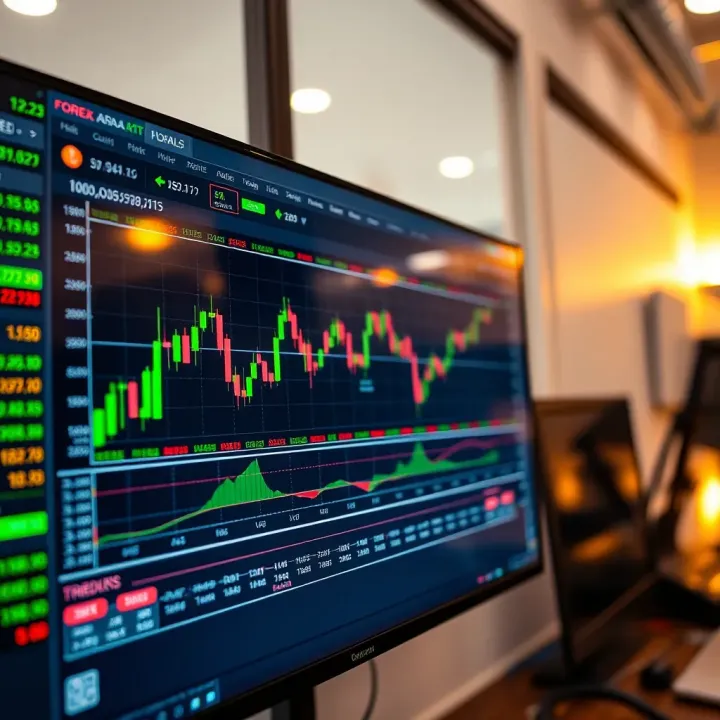
Find the ideal forex trading platforms in Pakistan with our detailed guide on usability, fees, regulation, and features. Start trading smart with 📈💰 today!
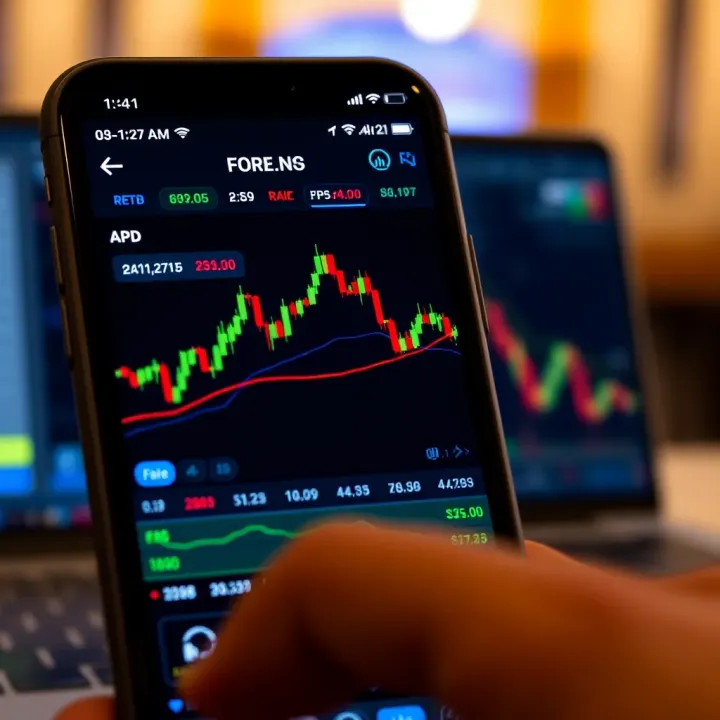
Discover the top forex trading apps for Pakistani traders 🇵🇰! Compare ease of use, security features 🔒, tools, and broker options to find your perfect fit 💹.
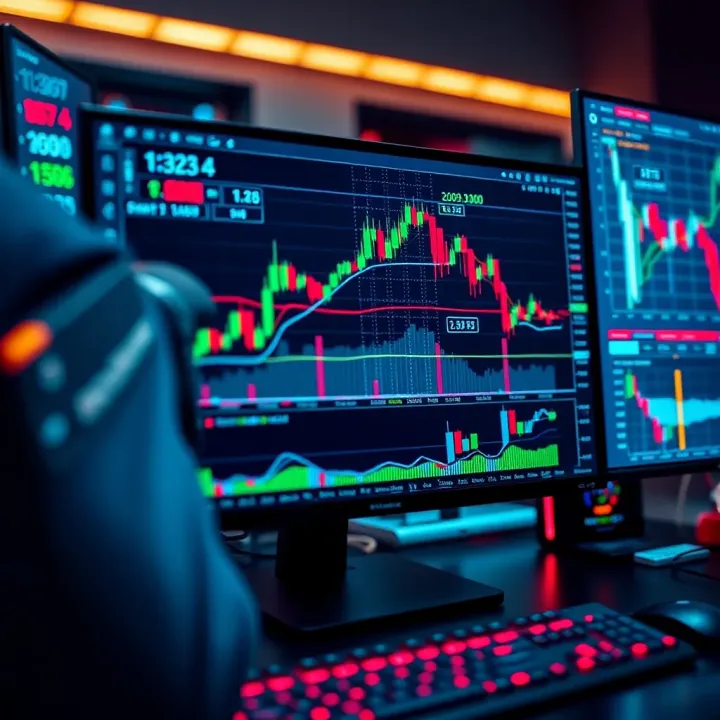
🔎 Find the best forex broker in Pakistan with tips on regulation, fees, platforms, and service. Trade smart and avoid common local challenges!
Based on 7 reviews