
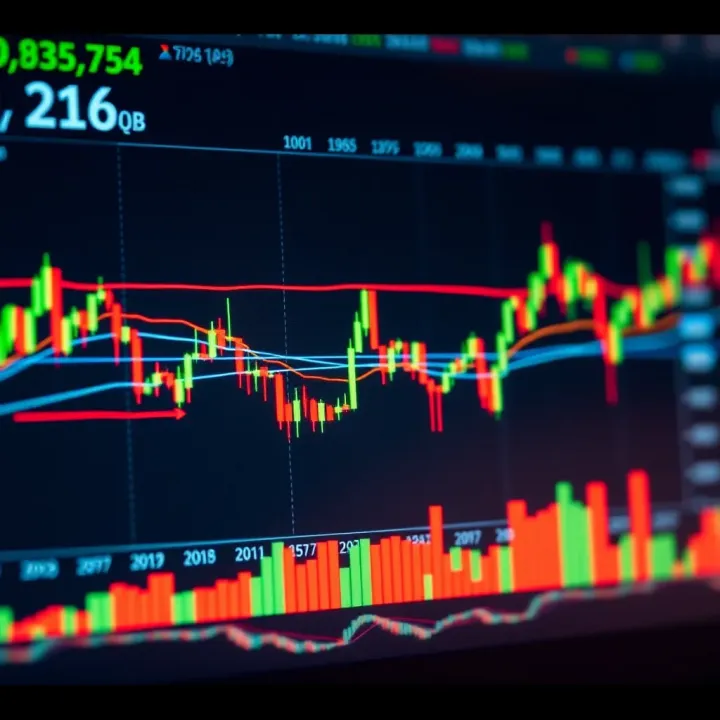
Best Forex Trading Indicator: What Works for You
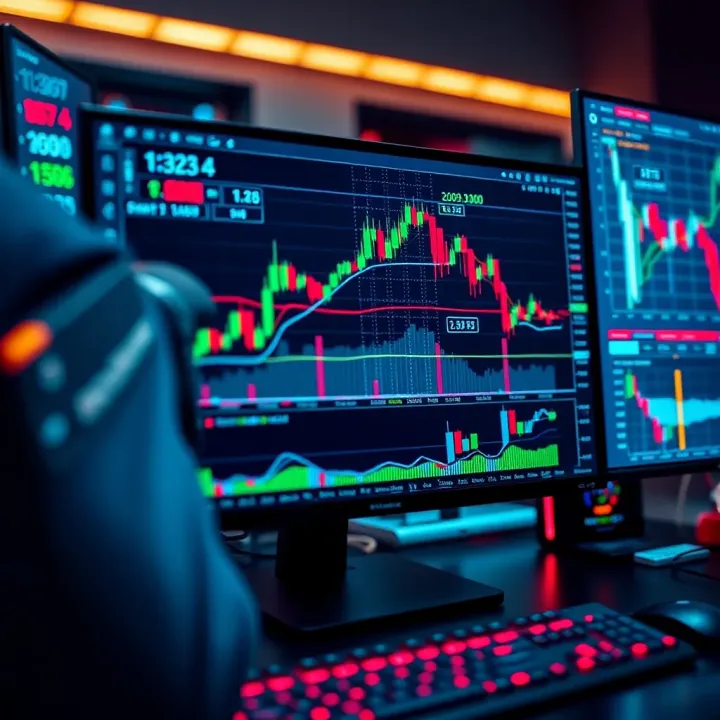
Explore top forex indicators 📊 to boost your trading skills. Learn how to pick the best ones that fit your style and market conditions for smarter moves.
Edited By
Emily Carter
Forex trading, or currency trading, has become a popular investment choice globally, including among Pakistani Muslims. Yet, many wonder if this form of trading fits within Islamic principles. Unlike conventional trading, forex involves exchanging one currency for another, often with the purpose of profit from price fluctuations.
Islamic finance strictly forbids riba (interest) and excessive gharar (uncertainty or speculation). These principles shape how financial transactions must be conducted, including currency trading. The challenge is understanding whether forex trading violates these rules or can be done within Shariah guidelines.

For instance, immediate exchange of currencies (known as spot trading) is generally permissible because it avoids delayed transactions that could lead to riba. However, trading on margin, involving borrowing money with interest, clearly contradicts Islamic law.
The key to halal forex trading is to ensure deals are executed promptly, without interest, and avoid high-risk speculative behaviour that resembles gambling.
Pakistani traders should be cautious when using online forex platforms. Many brokers offer leverage trading, which usually means paying interest on borrowed funds. Such practices are typically considered haram (forbidden). Instead, some brokers offer Islamic or swap-free accounts, designed to comply with Shariah by removing overnight interest charges.
Understanding these nuances helps Muslim investors align their activities with Islamic teachings. Forex trading in Islam is not a simple yes-or-no issue; it depends on how trading is conducted. Trading without interest, avoiding speculation, and adhering to immediate currency exchange can make forex trading halal.
This article will explore these details, providing clear guidance for Pakistani Muslims interested in currency trading while respecting Islamic law and principles.
Before deciding whether forex trading is halal or not, it helps to understand exactly what forex trading involves and how it works. This lays the foundation for exploring the Islamic perspective on currency trading and offers clarity on the issues surrounding it.
Forex trading refers to the buying and selling of currencies on the foreign exchange market. It is the largest and most liquid financial market globally, with a daily turnover exceeding $7 trillion. Traders aim to profit by exchanging one currency for another when they expect the exchange rate to shift favourably. For example, a trader might buy US dollars with Pakistani rupees if they expect the dollar to strengthen against the rupee.
Forex trading operates 24 hours a day, five days a week, across global financial centres like London, New York, and Tokyo. It involves a wide range of participants, including banks, corporations, governments, and individual investors. In Pakistan, many traders access forex markets via online brokers offering platforms in local currency and often with options for leverage.
At its core, forex trading is about currency pairs — for example, USD/PKR or EUR/USD. Each pair shows how much of the second currency you need to buy one unit of the first. When you trade, you simultaneously buy one currency and sell another.
Exchange rates fluctuate constantly due to factors like economic data, interest rate changes, political events, and market sentiment. For example, if Pakistan's economy shows strong growth or the State Bank of Pakistan (SBP) raises interest rates, the rupee might strengthen against the dollar.
Most forex trades happen electronically over-the-counter (OTC), meaning transactions occur directly between parties through broker platforms, rather than on a central exchange. This setup offers flexibility but also requires careful choice of regulated and Shariah-compliant brokers, especially for Muslim traders mindful of Islamic law.
Understanding these mechanisms helps you grasp what parts of forex trading could raise Islamic concerns such as riba (interest), gharar (uncertainty), or gambling elements.
In the following sections, we will examine the Islamic principles relevant to forex trading and discuss how these market features align or conflict with Shariah law. This approach is essential for Pakistani Muslims wanting to trade responsibly and within ethical boundaries.
Understanding Islamic finance rules is essential when discussing forex trading's permissibility. Islam emphasises certain financial principles that ensure transactions are just, clear, and free from exploitation. These principles prevent harm to individuals and society by setting boundaries on how money and trade should work.
Riba, or interest, is strictly forbidden in Islam. It means earning money on money itself without any productive activity or risk-sharing. For example, earning extra through a fixed interest rate on a loan simply for lending is considered riba and thus haram. This prevents injustice where one party benefits unfairly at another's expense. In forex trading, any interest or swap fees charged overnight can raise concerns about involving riba. Ensuring transactions avoid interest charges is critical for Shariah compliance.
Gharar refers to excessive uncertainty or ambiguity in a contract that could lead to disputes or unfair losses. Islam requires clarity in dealings so both parties understand obligations fully. For instance, selling goods without knowing their exact quantity or quality would be gharar and invalid. In forex, situations involving high speculation or unclear terms can introduce gharar. Trades based on guesswork or extreme volatility are discouraged to protect investors from unjust losses.
Fairness and transparency underpin all Islamic financial dealings. Both parties must enter contracts without deception or hidden terms. Transparency builds trust and ensures ethical behaviour in trade. For example, a merchant must disclose product defects honestly rather than hide them. The same applies to forex brokers who should offer clear information about transaction costs, risks, and terms. Without this, investors may unknowingly enter unfair contracts, which Islam prohibits.
Islamic finance stresses that transactions should avoid riba, eliminate excessive uncertainty, and maintain fairness to protect everyone involved.
Together, these principles guide Muslims to participate in trade and investment activities ethically. Recognising how riba, gharar, and transparency apply to forex trading helps investors make informed decisions respecting Islamic values. This foundation sets the stage for exploring specific issues forex trading poses under Shariah law.
Forex trading, while appealing for its potential profits, raises several Islamic concerns that traders and investors must consider seriously. Understanding these issues is vital because Islamic finance principles emphasise ethical dealings that avoid interest (riba), excessive uncertainty (gharar), and unfair advantage.
Riba, or interest, is strictly forbidden in Islam. The critical question is whether forex trading involves riba. Typically, if a trader holds an open forex position overnight, many brokers charge or pay interest known as swap or rollover fees. These fees are considered a form of riba because they depend on interest rates and create an unfair advantage, forbidden under Shariah. For example, if you buy USD/PKR today and hold the position beyond the international settlement time, you may incur swap charges reflecting interest differences between the two currencies. Thus, trading that involves these interest-based fees is not halal.
However, spot forex transactions settled immediately without any interest are generally not considered riba. This distinction is crucial for Muslims engaging in forex — one must avoid accounts that automatically apply swaps or rollover fees.
Leverage allows traders to control larger positions with smaller capital, but it often involves borrowing money with interest. In conventional forex trading, leverage usually means the broker lends funds and charges interest, which conflicts with Islamic law.
Moreover, high leverage can increase gharar by amplifying risks and uncertainties, making the trade resemble gambling rather than legitimate business. This combination violates Islamic principles emphasizing fairness and avoidance of excessive risk.
Some Islamic brokers offer swap-free or Shariah-compliant accounts without interest charges and leverage structured differently. However, traders must scrutinise these offerings carefully. For instance, a broker promising zero swaps but charging hidden fees or unjustified spreads may not be truly Shariah-compliant.
Spot transactions involve immediate exchange of currencies, usually within two business days. These are more likely to align with Shariah if settled promptly without interest, reflecting a straightforward currency sale or purchase.
On the other hand, futures and forward contracts involve agreeing to buy or sell a currency at a future date with a set price. Due to delayed settlement and higher uncertainty, these contracts carry gharar and potentially riba, making them questionable or outright prohibited in Islamic finance.
For example, using futures to speculate on currency price changes at a later date can resemble gambling and is generally avoided by Shariah scholars. Traders should focus on immediate, fully settled spot trades if they want to maintain compliance.
Traders considering forex within Islamic guidelines need vigilance. Avoiding riba through swap-free accounts, steering clear of interest-based leverage, and restricting activity to spot transactions with prompt settlement are key to maintaining Shariah compliance.
These considerations help Pakistani traders navigate forex markets without crossing Islamic ethical lines, balancing opportunity with faith-based responsibility.
For forex trading to be considered halal (permissible) under Islamic law, certain key conditions must be met. These criteria help ensure the transaction adheres to Shariah principles, avoiding forbidden elements like riba (interest), excessive uncertainty, and gambling. Understanding these conditions clarifies how forex trading fits within an Islamic financial framework and guides Muslims who want to participate in currency markets without compromising their faith.
One critical condition is that forex transactions must involve immediate delivery, known as spot trading. This means both parties exchange currencies right away, usually within two business days, to avoid any delayed settlement. Islamic scholars view immediate exchange as vital because it eliminates any uncertainty or delay that could lead to gharar (excessive risk). If delivery is postponed, the trade may resemble a futures contract, which many Islamic jurists consider impermissible due to speculative risk.
For example, if you buy US dollars with Pakistani rupees, the transfer of currencies should happen promptly. Delays or promising to deliver currency later can introduce elements like interest charges or uncertainty, which violate Islamic rules. Therefore, using platforms or brokers that support instant trade execution safeguards compliance.
Riba, or interest, is strictly forbidden in Islam. Many conventional forex brokers use leverage and charge or credit swap fees (rollover interest) when positions stay open overnight. To keep forex trading halal, traders must avoid these interest-based accounts and choose brokers offering swap-free or Islamic accounts.
Swap-free accounts don’t charge overnight interest, which prevents involvement in riba. Pakistani traders should check carefully whether their broker complies with Shariah on this point. Brokers like FXTM and IC Markets provide such accounts tailored for Muslim clients worldwide. In contrast, using regular margin accounts with interest fees would render trading impermissible.
Islamic finance discourages transactions involving excessive uncertainty or gambling (maysir). Forex trading purely for speculative gain, akin to betting on price movements without underlying economic activity, can cross this line. To keep trading halal, it is important to focus on genuine trade — engaging in currency exchange as a medium of payment or hedging — rather than reckless speculation.
For instance, entering multiple high-risk trades daily hoping to profit from tiny price changes resembles gambling. Instead, adopting a disciplined strategy, analysing market fundamentals, and limiting leverage reduces gambling elements. Ethical trading respects clear intent and transparency, avoiding deceit or manipulation.
"Immediate exchange, avoiding interest charges, and steering clear of speculative behaviour are the pillars that make forex trading halal under Shariah."
In summary, forex trading can comply with Islamic principles when it meets immediate settlement standards, avoids riba by using swap-free accounts, and is free from gambling practices. Pakistani traders aiming for halal forex involvement should select brokers carefully and follow trading practices aligned with these rules.
Pakistani Muslims looking to join forex trading need practical advice tailored to both Islamic principles and local market realities. Knowing how to pick Shariah-compliant brokers, understanding the legal landscape in Pakistan, and managing risks effectively can mean the difference between profitable trading and unknowingly engaging in impermissible or risky practices.
Selecting a broker that respects Islamic guidelines is essential. A Shariah-compliant broker typically offers an "Islamic account" or swap-free account that does not charge or pay interest (riba). For example, brokers like IG Markets and XM provide such options, allowing Pakistani traders to avoid interest-based charges which are prohibited in Islam.
Beyond account types, traders should check if the platform promotes transparency and fairness—clear fee structures, proper licensing, and real-time trade executions are key. Often, brokers registered under recognised regulatory bodies in the UK, EU, or Australia maintain higher standards. That said, some brokers offering services in Pakistan might operate with less oversight, so research is vital to avoid scams or unethical practices.
Forex trading in Pakistan falls under regulatory scrutiny from the Securities and Exchange Commission of Pakistan (SECP). The State Bank of Pakistan (SBP) also has rules controlling foreign exchange activities. Pakistani traders must be aware that trading through offshore accounts or unregulated brokers can lead to legal complications.
For instance, SBP guidelines require all forex transactions to be routed through authorised dealers to avoid currency violations. Moreover, local banks in Pakistan generally do not facilitate retail forex trading accounts, making it necessary to operate within or through properly licensed forex companies. Ignoring these regulations risks penalties, fines, or account restrictions.
Forex trading itself carries significant financial risks, but for Pakistani Muslims, there’s an added layer of ethical responsibility. Avoiding excessive speculation or gambling-like behaviour aligns with Islamic ethics. It’s wise to develop a sound strategy, focusing on analysis and informed decisions rather than guesswork.
Risk management tools such as stop-loss orders and limiting leverage can help control potential losses. For example, a trader might decide to use leverage of 1:10 instead of 1:100 to reduce exposure. Also, diversifying trades and not investing beyond one’s financial capacity reduces undue stress and prevents unethical dependency on uncertain gains.
Practical decisions in forex trading not only protect your capital but ensure your investments remain within Islamic boundaries and Pakistani law.
In summary, Pakistani Muslims interested in forex trading should prioritise choosing registered, transparent brokers with Islamic accounts, comply with local regulations, and practise disciplined risk management. This approach helps balance financial goals with religious and legal obligations effectively.
Explore top forex indicators 📊 to boost your trading skills. Learn how to pick the best ones that fit your style and market conditions for smarter moves.
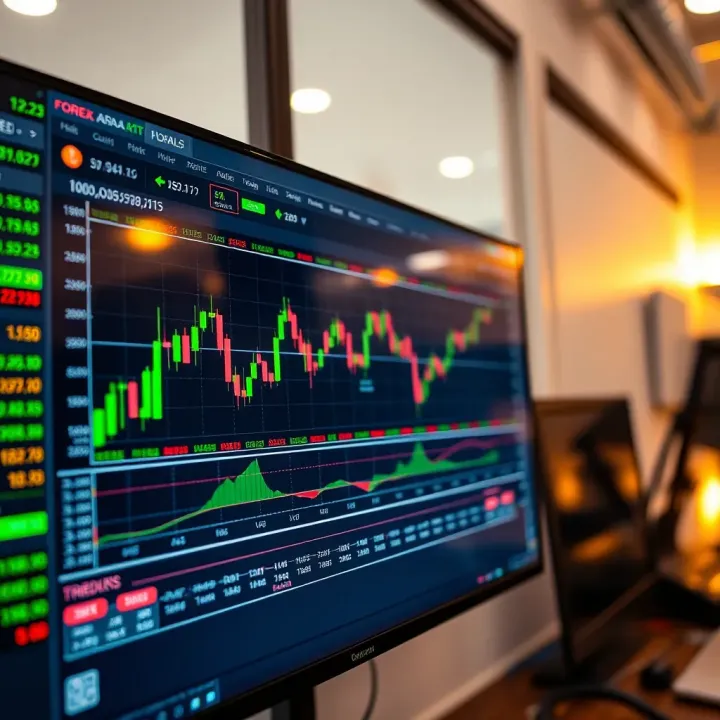
Find the ideal forex trading platforms in Pakistan with our detailed guide on usability, fees, regulation, and features. Start trading smart with 📈💰 today!
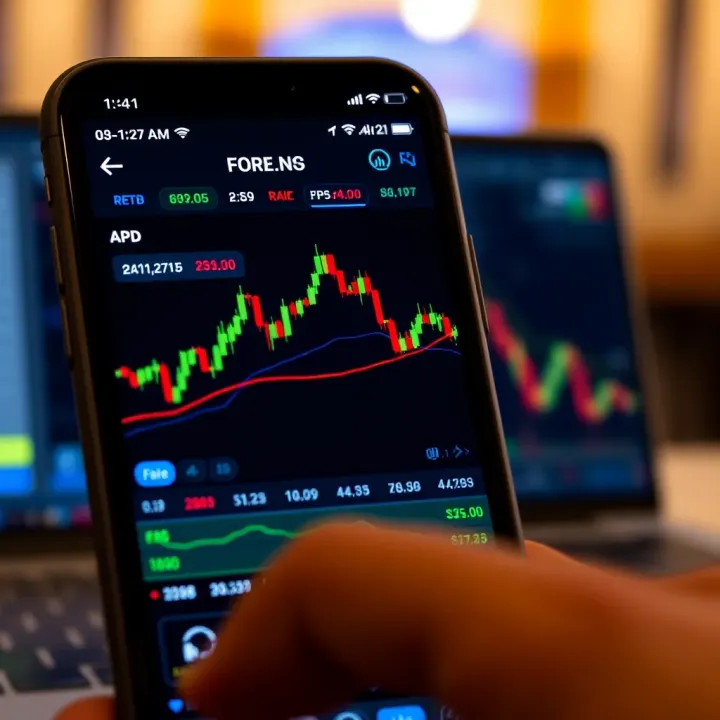
Discover the top forex trading apps for Pakistani traders 🇵🇰! Compare ease of use, security features 🔒, tools, and broker options to find your perfect fit 💹.
🔎 Find the best forex broker in Pakistan with tips on regulation, fees, platforms, and service. Trade smart and avoid common local challenges!
Based on 10 reviews