
Best Trading Apps to Earn Money in Pakistan
Find the best trading app in Pakistan 📱 to earn money with ease. Compare features, safety tips, and strategies for smart investing on the go 💰.
Edited By
Megan Brooks
Forex trading has become a popular way for individuals in Pakistan to generate income, especially with increased access to online trading platforms and mobile technology. However, earning money effectively from forex requires more than just placing random trades. It involves understanding the market dynamics, choosing reliable brokers, and managing risks carefully.
Trading forex means buying one currency while selling another, such as exchanging Pakistani Rupees (PKR) against the US Dollar (USD). Prices fluctuate due to factors like economic data, geopolitical events, and central bank policies. For example, a rise in inflation in Pakistan can weaken PKR, affecting forex pairs. To navigate these ups and downs profitably, traders must learn to read charts, follow economic news, and apply tested strategies.
Pakistani traders should first ensure they use brokers authorised by the Securities and Exchange Commission of Pakistan (SECP) or internationally regulated ones known for transparency. Unregulated platforms carry a high risk of scams or unfair practices, which can quickly eat into your capital. Well-known brokers like IG, Saxo Bank, and local options with PTAs approval offer better security and customer support.
Starting with a demo account helps build confidence without risking real money. Once comfortable, start with small trades and gradually increase exposure as you understand patterns and improve decision-making. It’s also crucial to use stop-loss orders to limit potential losses and implement take-profit levels to secure gains.
Successful forex trading hinges on discipline and continuous learning, not just luck.
In Pakistan, managing finances properly is vital. Never invest money you need for daily expenses or emergencies. Use a dedicated budget for trading to avoid stress from losses. Keep records of your transactions and review progress regularly. This systematic approach helps identify what works and where adjustments are necessary.
To sum up, forex trading in Pakistan can offer good earning opportunities if approached with realistic expectations, trusted brokers, and solid strategies. Stay informed about local economic shifts like SBP’s policy rate changes and keep adapting based on market signals to improve your chances of profit.
Forex trading has become a notable option for many Pakistanis looking to engage with global financial markets. Understanding what forex trading entails and why it attracts local traders helps professionals navigate this field with clearer insight. From financial analysts to active investors, knowing the basics—and the trade’s appeal—can improve decision-making and strategy.
Forex trading, or foreign exchange trading, involves buying and selling currencies against each other. For example, a trader may exchange Pakistani Rupees (PKR) for US Dollars (USD) in anticipation that the dollar’s value will rise, aiming to sell later at a profit. This market functions on continuous currency value fluctuations influenced by economic data, political events, and market sentiment.
Unlike stock markets confined to trading floors, forex operates 24 hours worldwide through a decentralized network of banks, brokers, institutions, and individual traders. Key financial centres like London, New York, Tokyo, and Singapore drive trading sessions that overlap strategically. This global operation means traders in Pakistan can participate anytime, reacting to international news or economic changes without delay.
Thanks to internet access and user-friendly trading apps like MetaTrader and cTrader, many in Pakistan find forex trading easily accessible. These platforms support live market data, leverage tools, and simulation accounts, letting beginners test waters without risking actual capital. Pakistan-based payment methods such as JazzCash and Easypaisa also simplify deposits and withdrawals, making online trading feasible for a broad range of users.
The PKR often faces volatility due to economic and political factors. Traders can capitalise on such fluctuations if they execute trades wisely. For instance, when the Rupee weakens against the dollar amid local inflation or budget announcements, a skilled trader might buy USD early and profit when values shift. This potential offers an appealing alternative to traditional investment avenues that may offer lower returns or are subject to heavier restrictions.
Forex’s continuous cycle allows traders in Pakistan to operate outside usual business hours. Someone juggling a 9-to-5 job can trade late at night or early morning, coinciding with European or US market peaks. This flexibility suits professionals and students alike, enabling them to adapt trading activities around their daily schedules rather than vice versa.
Understanding these fundamentals and attractions helps Pakistani traders approach forex with realistic expectations and tools to navigate the market confidently. Knowledge is the best defence against risks while potentially harnessing opportunities.
Understanding the legal environment surrounding forex trading in Pakistan is vital for traders who want to operate safely and profitably. The regulatory framework, mainly governed by the State Bank of Pakistan (SBP) and other securities institutions, sets clear boundaries and guidelines to protect traders and the financial system from fraud and misuse. Knowing these rules helps traders avoid legal pitfalls that can lead to financial loss or penalties.
The SBP imposes tight restrictions on forex trading within Pakistan. Local residents are generally not allowed to trade foreign exchange on overseas platforms directly using Pakistani banking channels. This means converting PKR to foreign currency or vice versa through forex trading is heavily monitored or barred unless done through authorised financial institutions. For example, funding a forex account from a Pakistani bank for an unregulated foreign forex platform is considered against regulations.
To safeguard consumers, the SBP mandates authorised forex brokers to hold specific registrations and licences. These brokers must comply with local rules, including transparent operations and customer protection standards. They should also offer avenues for deposits and withdrawals through regulated channels like Pakistani banks or payment services such as JazzCash and Easypaisa. Traders are encouraged to select brokers authorised by the SBP or those registered with recognised international regulatory bodies. This ensures a layer of reliability and legal recourse if issues arise.
Many traders in Pakistan turn to unregulated overseas brokers due to ease of access or promises of higher leverage and profits. However, using these unregulated platforms carries significant risks. Such brokers are not accountable under Pakistani law, and withdrawing funds or resolving disputes can become difficult or impossible. In worst cases, these platforms might operate scams or vanish, leaving traders stranded.
Traders must be aware of possible penalties for violating forex regulations. The SBP and Federal Investigation Agency may impose fines, freeze accounts, or take legal action against those using unlicensed forex services or illegal payment methods. Avoiding trouble requires sticking to brokers authorised or recommended within Pakistan’s legal framework, verifying credentials carefully, and using proper banking channels for transactions.
Staying informed about the country's forex laws not only protects your investment but also ensures your trading activity remains compliant, reducing unwanted legal risks.
In summary, understanding the regulatory guidelines and choosing the right authorised brokers help Pakistani forex traders operate securely. This foundation is just as important as market knowledge for earning money effectively in forex trading.
Starting forex trading from Pakistan requires careful planning and a clear understanding of the local context. Since access to brokers and trading platforms can vary here, knowing how to pick a trustworthy broker and set up your account properly is key. This sets the foundation for making consistent profits and avoiding common pitfalls.
Choosing the right broker affects your trading experience and overall risk. Pakistani traders should look for brokers that are regulated by well-known authorities like the FCA (UK) or ASIC (Australia). This ensures a certain level of accountability and security, which can protect you from scams. A broker offering competitive spreads, transparent pricing, and a straightforward withdrawal process is also essential. Pay attention to their customer support, especially availability during Pakistan Standard Time, since fast responses can solve urgent issues.
Brokers like XM, FXTM, and HotForex are popular among Pakistanis because they welcome clients from Pakistan and support local payment methods. These brokers provide user-friendly platforms and allow smaller deposit amounts, starting from as low as $100 (around Rs 27,000), which suits many traders here. Additionally, these firms support deposits and withdrawals through JazzCash, Easypaisa, or regular bank transfers, making transactions smoother, especially when easy access to funds is necessary.
Pakistani traders must submit proper identification documents for account verification. Typically, this includes your CNIC (Computerised National Identity Card) and proof of residence like a recent utility bill or bank statement. This process, although sometimes time-consuming, is crucial to comply with anti-money laundering (AML) regulations and protect both the trader and broker.
Most forex brokers offer MetaTrader 4 or 5, which are the industry’s standard trading platforms. These platforms provide advanced charting tools, technical indicators, and automated trading options to help you make informed decisions. Learning to navigate MetaTrader is essential because it controls your trades and equips you to respond quickly to market movements.
Before risking real money, always start with a demo account. Most brokers provide these accounts free of cost, allowing you to trade with virtual funds. This helps you understand how buying and selling currencies works without financial risk. For instance, practising on a demo account can show you how to set stop-loss orders or use leverage responsibly, so you avoid costly mistakes once you go live.
Opening a forex trading account properly is your first step towards successful trading in Pakistan. Make sure to choose regulated brokers, get comfortable with popular platforms like MetaTrader, and use demo accounts extensively to build confidence.
Getting these basics right will prepare you well for the challenges and opportunities forex trading offers in Pakistan’s unique financial environment.
Success in forex trading depends heavily on adopting effective strategies that balance profit opportunities with careful risk management. Without a plan, traders often fall prey to guesswork or emotional decisions, which rarely lead to consistent earnings. Pakistani traders, in particular, must focus on strategies suited to the complexities of currency markets and the local economic context.
Reading charts and using indicators is a key skill for any forex trader. Charts show the price movement of currencies over time, and indicators help identify trends, reversals, or momentum. For example, the Relative Strength Index (RSI) reveals if a currency is overbought or oversold, signalling potential turning points. Similarly, moving averages smooth out price data to indicate trend direction. A trader looking at the USD/PKR pair might notice that a crossover of the 50-day moving average by the 200-day moving average often precedes a change in trend, which can guide entry or exit decisions.
Alongside charts, economic and geopolitical news influence currency values dramatically. Pakistan’s currency, the rupee, is sensitive to events like IMF negotiations, interest rate decisions by the State Bank of Pakistan, or shifts in trade relations with major partners such as China and the US. For instance, if global oil prices jump, Pakistan’s import bill rises, pressuring the rupee to weaken. A trader who follows these news developments closely can anticipate market reactions rather than react late, turning information into a solid trading edge.
Setting stop-loss and take-profit limits protects your capital from outsized losses while locking in gains. A stop-loss sets an automatic exit if the market moves against your position beyond a certain point, limiting the damage. For instance, if you buy the euro against the dollar at 1.10 with a stop-loss at 1.08, the platform closes your trade and cuts your loss if the price drops to 1.08. Take-profit orders lock in profits when the currency reaches your target price, avoiding greed that can cost you gains.
Managing leverage responsibly is critical, especially in volatile currency markets. Many brokers offer leverage up to 1:100 or more, meaning you can control a large position with a small amount of money. While leverage can multiply profits, it also magnifies losses. If a Pakistani trader uses leverage of 1:50 without adequate risk controls, a small price move against them can wipe out their entire account. Wise traders limit leverage based on their experience and only risk a small percentage of their capital per trade to keep losses manageable.
Effective forex trading combines technical knowledge, awareness of economic events, and disciplined risk control. These strategies help Pakistani traders protect capital and increase the odds of earning consistent profits over time.
Use technical indicators like RSI and moving averages for timing trades.
Stay updated on Pakistan’s economic policies and geopolitical news.
Always set stop-loss and take-profit levels before entering a trade.
Keep leverage low to avoid big losses in a volatile market.
Following these practices shapes a more professional and focused trading approach, which is essential to succeed in forex markets from Pakistan.
Forex trading carries risks unique to traders in Pakistan, largely due to market volatility and the prevalence of scams. Understanding these challenges helps protect your capital and increases the chances of steady profits. This section covers the main risks and how to avoid common pitfalls.
Global events directly influence currency values, causing sudden price swings. For instance, geopolitical tensions—like conflicts in the Middle East—or economic releases such as US Federal Reserve interest rate decisions can rapidly change the USD-PKR exchange rate. Such shifts make timing crucial; a delay of even minutes in reacting to news can turn potential profit into loss.
Pakistani traders must watch news cycles closely and use economic calendars actively. Entering or exiting trades just before major announcements is often risky, as volatility tends to spike and spreads widen. Traders who hold positions overnight during uncertain times might face unexpected losses due to market gaps. Thus, timing trades carefully by aligning them with stable periods, or employing tight stop-loss orders, is essential for managing risk.
A major challenge is spotting red flags with brokers. Be wary of promises of guaranteed returns or brokers pressuring you to invest more money quickly. If a broker lacks transparency about fees or has no clear regulatory licence, proceed with caution. For example, some offshore brokers operating without Pakistan Telecommunication Authority (PTA) approval often avoid proper scrutiny, leading to blocked withdrawals or account freezes.
Verifying broker credentials is vital. Check if the broker is regulated by recognised bodies like the Securities and Exchange Commission of Pakistan (SECP) or international regulators trusted by Pakistani traders. Reading unbiased broker reviews on forums or financial news websites can also highlight problematic behaviours. Established brokers often provide clear terms, customer support in Urdu or English, and have smooth deposit and withdrawal methods like JazzCash or bank transfers. This research shields you from fraud and ensures your funds are safer.
Staying alert with timing and broker choice protects you from common losses and scams, which have cost many Pakistani traders dearly.
By combining awareness of market volatility effects with careful broker selection, Pakistani forex traders can reduce avoidable risks while focusing on effective strategies for earning money in forex trading.
Forex trading in Pakistan requires more than just understanding the market; practical tools and local resources can make a significant difference. Knowing how to deposit and withdraw funds, access trustworthy education, and connect with a supportive community helps traders make informed decisions and avoid common pitfalls.
Local payment options like JazzCash and Easypaisa simplify fund transfers for Pakistani forex traders. These mobile wallets allow easy deposits without the hassle of international bank fees. For instance, if you’re funding your trading account, using JazzCash can speed up the process while keeping transaction costs low — a big help when you want to move money quickly and securely.
Easypaisa works similarly and is widely accepted by many brokers operating in Pakistan. Both platforms have become popular since they bypass some of the challenges in traditional banking, such as lengthy paperwork or delays, especially when forex trading often demands timely moves. However, ensure your chosen broker supports these wallets directly or through authorised local agents to avoid complications.
Bank transfers are another option but come with their own set of considerations. International wire transfers from Pakistani banks sometimes take 3-5 business days and might incur higher charges. Also, strict regulations by the State Bank of Pakistan for forex-related transactions can mean extra paperwork or approval is needed. If you prefer banks, pick reputable institutions known for efficient foreign exchange services like HBL or MCB. Always double-check with your broker about the correct details for wire transfers to prevent delays or lost funds.
Reliable learning materials are crucial for improving your forex trading skills. Platforms offering Pakistani or South Asian market context add real value since global strategies need local adaptation. Websites like Investopedia, along with Pakistan-specific trading blogs and YouTube channels, cater to beginners and experienced traders alike. They explain terminology, trading psychology, and analysis methods tailored to exchange rates affecting PKR pairs.
Joining Pakistani forex trading groups and forums can enrich your understanding and connect you with others facing similar challenges. Communities on Facebook or Telegram provide timely market updates, broker reviews, and discussion of regulatory changes affecting Pakistanis. These groups also serve as informal learning and support networks where traders share tips on managing volatility or avoiding scams prevalent in the region.
Using local payment methods and connecting to educational resources often marks the difference between a good trader and one who struggles unnecessarily.
By combining smart money transfer choices with continuous learning and community engagement, Pakistani forex traders position themselves to trade more confidently and effectively.
Find the best trading app in Pakistan 📱 to earn money with ease. Compare features, safety tips, and strategies for smart investing on the go 💰.
📈 Discover forex trading hours in Pakistan, learn key market sessions and align your trades with PKT to boost your strategy and maximise profits.
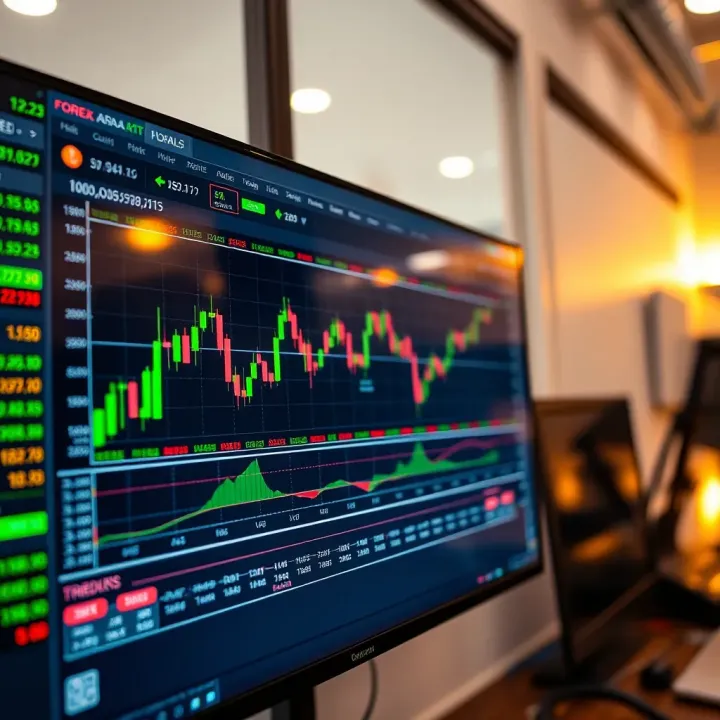
Find the ideal forex trading platforms in Pakistan with our detailed guide on usability, fees, regulation, and features. Start trading smart with 📈💰 today!
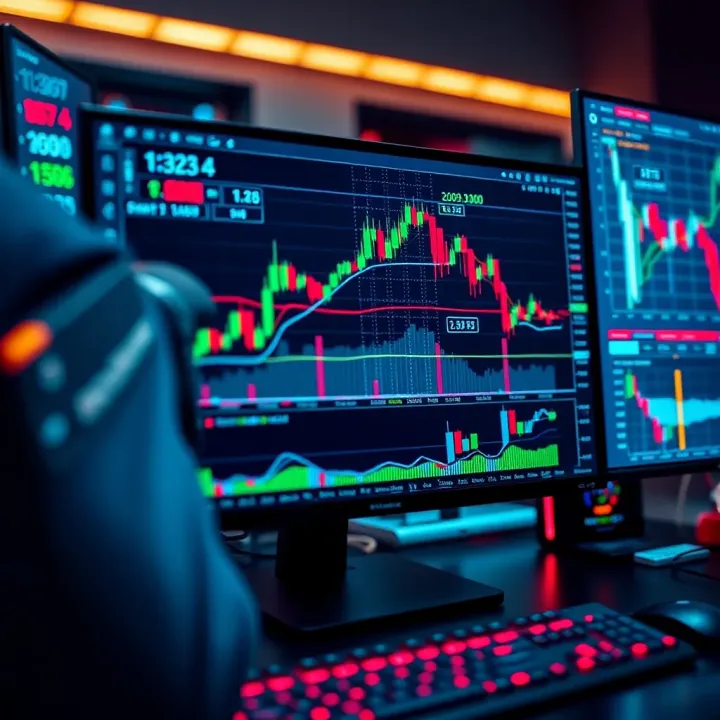
🔎 Find the best forex broker in Pakistan with tips on regulation, fees, platforms, and service. Trade smart and avoid common local challenges!
Based on 15 reviews