
Best Trading Apps in the World: A Clear Guide
Find the perfect trading app tailored for you! Explore security, fees, usability & top picks for traders in Pakistan and worldwide 📱💹 Secure your trades smoothly.
Edited By
James Whitman
Forex trading signals are alerts that suggest when to buy or sell currency pairs based on market analysis. They aim to simplify decision-making for traders by highlighting potential profit opportunities in the complex forex market.
These signals usually come with details like entry price, stop-loss level, and take-profit target, helping traders manage risk and reward effectively. For example, a signal might advise buying USD/PKR at Rs 285 with a stop-loss at Rs 282 and a take-profit at Rs 290.
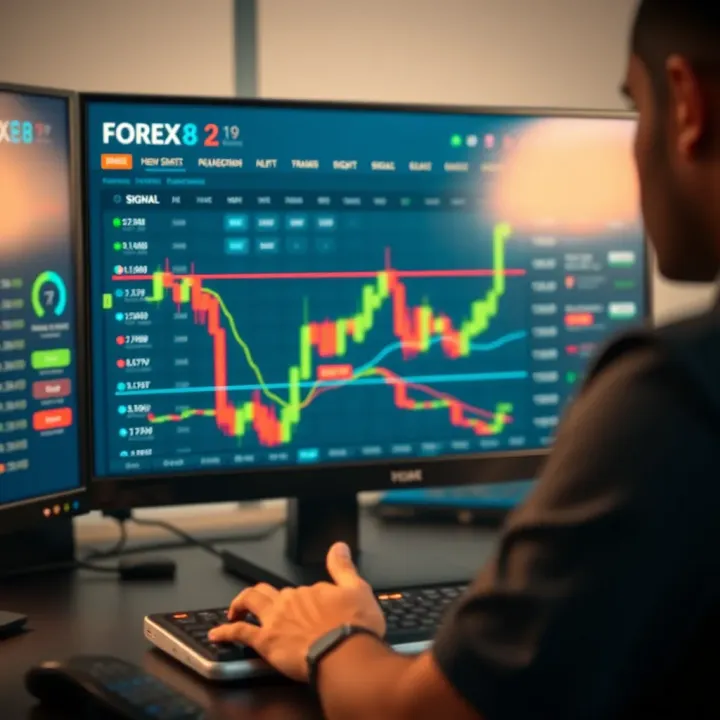
In Pakistan, where forex trading is growing but still regulated, using trading signals can be a practical way for retail traders to keep up with rapid market changes—especially given the time restrictions on market monitoring due to work or other commitments.
Remember: Signals are not guarantees. Market shifts can happen suddenly, and a signal's success depends on timely action and proper risk management.
There are different types of forex trading signals:
Manual Signals: Generated by professional analysts studying charts, news, and economic indicators.
Automated Signals: Produced by computer algorithms scanning real-time data to identify trading setups.
Copy Trading Signals: From experienced traders whose trades you can mirror directly.
Choosing reliable signal providers in Pakistan means looking for those transparent about their track records and offering easy communication channels. Some platforms also integrate with mobile apps like Easypaisa or JazzCash to facilitate swift trade execution.
Effective use of signals involves:
Verifying the provider’s reputation.
Testing signals on demo accounts first.
Combining signals with your own market understanding.
Setting clear stop-loss limits to protect capital.
By understanding how signals work and using them wisely, Pakistani traders can make more informed moves in the forex market while managing risks in a fast-changing environment.
Forex trading signals are alerts offering specific information about potential buy or sell opportunities in the currency markets. For traders in Pakistan, understanding these signals allows quicker and better-informed decisions in a fast-moving market. Signals often provide entry points, exit points, and stop-loss levels, which help in reducing guesswork.
At their core, forex trading signals are recommendations based on analysis of currency price movements and market trends. They can come from expert traders, analytical software, or a mix of both. For example, a signal might suggest buying USD/PKR at 280.50 with a target of 282.00, indicating a potential short-term profit, and a stop-loss at 279.80 to manage risk.
Manual signals come from experienced traders who analyse market charts, news events, and economic conditions to predict price directions. These experts often publish their signals through social media, paid signal services, or broker platforms. For instance, a senior forex analyst based in Karachi might spot a pattern suggesting a rise in EUR/USD due to upcoming European Central Bank rate decisions. This human touch can consider news nuances and market sentiment beyond raw data.
However, relying solely on manual signals requires trust in the expert’s track record and understanding their strategy. For Pakistani traders, choosing reputed analysts with regional market knowledge adds value, as local economic factors can influence currency pairs differently.
These signals are generated by software algorithms that apply technical analysis rules to historical and realtime data. Automated systems monitor indicators like moving averages, RSI, or MACD to generate alerts. The advantage is speed and consistency without emotional bias. For instance, a forex bot might trigger a sell signal on GBP/JPY after detecting a bearish crossover in moving averages, performing the analysis faster than any human.
Yet, these automated signals depend entirely on past data and may not adapt well to sudden news shocks or unexpected events like Pakistani budget announcements or geopolitical developments. Traders must assess whether such signals align with current market conditions before blindly following them.
Traders use forex signals as guidance to make entry or exit decisions in their trades. Many integrate these signals with their personal analysis or automated trading systems. For example, if a forex signal suggests buying USD/JPY, a Pakistani trader might confirm it by checking economic indicators or local market news before proceeding.
Signals also help in managing timing and reducing time spent monitoring markets constantly, which is particularly useful for busy professionals or new traders. Still, experienced traders caution against overreliance on signals, urging users to treat them as a tool rather than a crutch.
Forex signals can improve trading efficiency but always combine them with personal judgment and risk management. Blindly following any signal, whether manual or automated, can lead to losses.
In the Pakistani context, the best practice involves considering local market conditions such as rupee fluctuations driven by remittance inflows or SBP policy changes alongside global forex signals for well-rounded decisions.
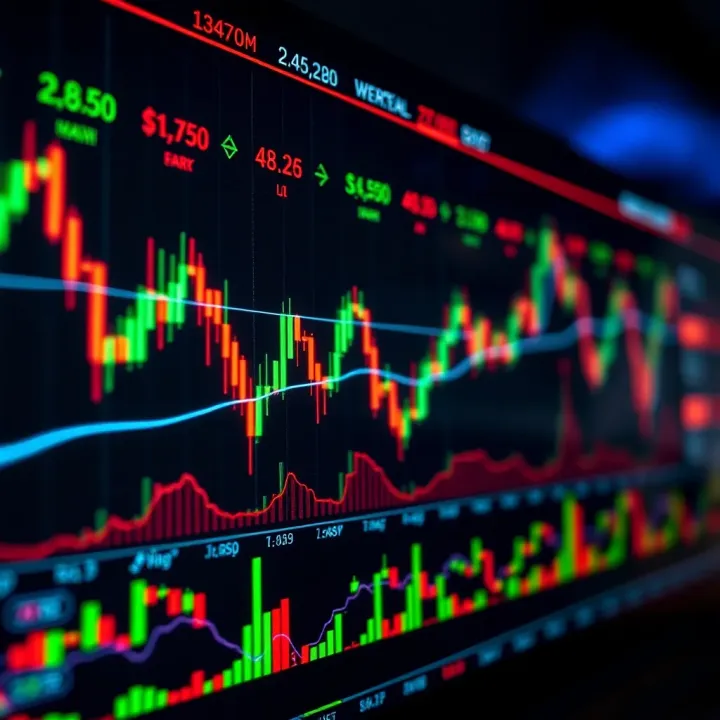
Forex trading signals come in different forms, each catering to specific trader needs. Understanding the types of signals helps traders in Pakistan pick the right tools for their trading style and market approach. Whether it’s technical indicators, fundamental analysis, or automated systems, each has practical benefits and unique considerations.
Moving averages smooth out price data to identify trends over a period. For instance, a 50-day moving average shows the average closing price over the past 50 days, helping traders spot whether the market is generally moving up or down. When the short-term average crosses above the long-term average (called a “golden cross”), it can suggest a buying opportunity. Pakistani traders may use this to time entries on pairs like USD/PKR or EUR/USD.
Relative Strength Index (RSI) measures the speed and change of price movements, signalling overbought or oversold conditions. An RSI above 70 suggests the currency might be overbought and ready for a pullback, while below 30 indicates it might be oversold. This assists traders in Pakistan in deciding entry or exit points, especially during volatile periods such as after important economic announcements.
MACD (Moving Average Convergence Divergence) tracks the relationship between two moving averages to indicate momentum shifts. When the MACD line crosses above the signal line, it is seen as a bullish signal; crossing below signals bearishness. This helps traders catch potential trend reversals. Local traders often combine MACD with other indicators to confirm trades amid fluctuating market sentiments.
Economic news and data releases often trigger strong market moves. Pakistani traders keep a close eye on reports like US Non-Farm Payrolls or Pakistan’s trade balance, as these events impact currency values directly. A better-than-expected GDP growth report from Pakistan, for example, might strengthen the rupee and offer trading signals based on anticipated appreciation.
Central bank announcements are vital for forex markets. Decisions on interest rates or monetary policy statements from the State Bank of Pakistan (SBP) or the US Federal Reserve can create volatility and trading opportunities. Traders look for tone and guidance in SBP’s press releases to predict PKR movements, adjusting their positions accordingly.
Expert advisors (EAs) are automated programs that scan the market and execute trades based on pre-set rules. In Pakistan, many traders use EAs on MetaTrader platforms to automate parts of their strategy, especially when dealing with complex indicators or constant market monitoring isn’t possible.
Social trading platforms allow traders to follow and copy experienced investors’ trades. This works well for beginners in Pakistan who want to learn and replicate tried approaches without deep technical know-how. Social trading helps reduce the learning curve but requires caution to choose reliable signal providers.
Understanding each type of forex signal helps you match tools to your trading style, improving your chances of success in Pakistan’s currency market.
Technical signals focus on price data and trends.
Fundamental signals rely on economic events and news.
Automated and copy trading provide ease and learning opportunities.
Selecting the right mix depends on your experience, time commitment, and comfort with technology.
Forex trading signals offer both clear benefits and notable drawbacks, especially for Pakistani traders who navigate a market that involves global currencies as well as local economic factors. Understanding these pros and cons helps traders make balanced decisions rather than depending blindly on signals.
Forex signals save time by delivering concise advice on when to enter or exit trades. For example, a busy trader in Karachi might not have enough hours to monitor global currency fluctuations all day. Instead, receiving timely alerts about movements in USD/PKR or EUR/USD rates allows fast decisions without constantly staring at charts. This time-efficiency lets traders focus on other activities or conduct their own analysis without missing critical market opportunities.
Many forex signals come from professional analysts or algorithm-driven platforms with deep market insights. This means traders—even those with little expertise—gain access to tested strategies and real-time analysis that would otherwise require years of study. Suppose a trader gets a signal based on upcoming State Bank of Pakistan monetary policy or US Federal Reserve interest rate changes; these signals often incorporate complex economic data that amateurs might find overwhelming. Thus, such expert-backed signals help level the playing field, though the trader remains responsible for ultimate decisions.
Depending exclusively on forex signals can harm a trader’s growth and risk control. Signals do not guarantee profits; markets can be volatile and unpredictable, especially amid Pakistan’s unique economic events like sudden rupee devaluation or political unrest impacting currency stability. A trader who blindly follows signals might ignore vital market context or fail to apply proper risk management, leading to significant losses. For instance, signals might miss sudden news about inflation spikes affecting PKR, which a local trader would otherwise anticipate.
Not all forex signals are created equal, and their reliability varies widely. Some providers offer high-quality, well-researched advice, while others simply recycle generic or outdated signals. In Pakistan, where digital scams occasionally target traders, it is critical to evaluate a provider’s track record and transparency before subscribing. Signals can be inconsistent during periods of heightened volatility or unexpected news, which can mislead even experienced traders. Therefore, assessing signal accuracy regularly and combining signals with personal analysis is essential to avoid costly mistakes.
While forex signals can be a handy tool, they work best when combined with your own understanding of market trends and disciplined risk management. Treat them as guides, not gospel.
Selecting the right forex signal provider is essential for Pakistani traders to boost their chances of success and avoid costly mistakes. The market has many options, but not all are trustworthy or match a trader’s needs. This section outlines clear criteria to help you evaluate providers effectively.
A provider’s credibility often hinges on its verified performance history. Look for signal services that openly present their win-loss ratio, average returns, and past trading results audited by third parties or visible through live accounts. For example, a forex signal provider claiming 70% successful trades over six months with documented proof is more reliable than one offering vague promises. Also, check for user reviews from the Pakistani trading community or global traders to avoid scams or misleading claims.
Clear explanation of strategy: Reliable providers explain how their signals are generated. Whether based on moving averages, fundamental analysis, or algorithmic models, understanding the approach helps you decide if it suits your style and risk appetite. For instance, a provider focusing on news-driven signals should clarify which economic indicators they monitor and how they interpret market reactions. Without clarity, you risk blindly following signals that don’t align with your understanding or preferences.
Regular updates: Consistent communication is key, especially in a fast-moving market like forex. Trustworthy providers deliver timely signals with updated trade insights throughout the day. They also inform clients about any change in strategy or unusual market conditions. A signal delivered hours late or missing alerts can result in missed opportunities or unwanted losses. In Pakistan’s volatile market, staying current with updates from your provider can make the difference between profit and loss.
Forex signals come in various formats — some cater to short-term scalpers, others to long-term position traders. Choose a provider whose signals match your trading timeframe, risk tolerance, and capital size. For example, a part-time trader might prefer fewer, high-confidence signals, while an active trader may seek frequent alerts. If you’re risk-averse, signals with clearly defined stop-loss levels will be more suited. Matching signals to your style reduces confusion and improves decision-making.
The signal market offers free and paid services, but remember, quality often comes at a price. Compare subscription fees against potential returns and provider reputation. Some providers offer trial periods or tiered plans making it easier to assess their value. Also, consider accessibility — can you receive signals via mobile app, WhatsApp, or email? This matters in Pakistan where internet connectivity varies by region. Choose signal services that fit your budget and communication preferences to stay connected without hassle.
Choosing the right forex signal provider is about trust, clarity, and fit. Prioritising these criteria safeguards your trading capital and paves your way to smarter decisions in Pakistan’s dynamic currency markets.
Using forex trading signals wisely can make a big difference in your trading success. Instead of blindly following every signal, integrating them with your own analysis gives you a better edge. No signal is perfect, so combining external advice with your understanding of market trends helps filter out false alarms and confirms trades.
Relying solely on forex signals can lead to mistakes if the signals don't match your view of the market. For example, if a signal suggests buying USD/PKR but you know the Pakistani rupee (PKR) is set to weaken due to upcoming political decisions, it’s worth double-checking before making a move. Use your chart reading skills or fundamental knowledge to assess economic indicators alongside the signals. This approach reduces risk and increases confidence in your trades. Mixing signals with your own research helps you adapt to sudden changes, especially in volatile markets like Pakistan’s.
Managing risk is critical when using forex signals. Never commit your entire trading capital on a single signal. Instead, decide in advance how much you’re willing to risk per trade, often 1-2% of your total funds. Position sizing based on your risk tolerance prevents heavy losses during unexpected market swings, which happen frequently in forex. Pakistani traders might find it useful to allocate smaller chunks for signals that are less familiar or come from new providers. Using stop-loss orders alongside signals can limit downside risk while still allowing for potential gains.
Understanding Pakistan's currency trends plays a vital role in interpreting forex signals. The PKR often reacts strongly to local factors like remittance inflows, trade deficits, or International Monetary Fund (IMF) programmes. For example, if there is news about delay in IMF loan disbursements, the PKR might depreciate rapidly. Even if signals suggest a bullish position for the PKR, it makes sense to consider these elements before taking a trade. Local traders benefit when they keep an eye on State Bank of Pakistan's policies, SBP reserves, and market sentiment, adjusting their responses accordingly.
Economic events in Pakistan can cause sudden currency swings that either confirm or contradict forex signals. Events such as the Pakistan Bureau of Statistics releasing inflation figures or the government announcing fiscal budgets tend to impact PKR pairs sharply. Hence, timing your trading around these announcements can improve success rates. For instance, placing trades after important data drops reduces exposure to surprise moves. Experienced traders often pause signal-based trades during key events to avoid whipsaw actions common in Pakistan’s forex market.
Integrating forex signals with your own analysis and considering local market context helps you make smarter trades and manage risks effectively.
By combining external alerts with your skills and understanding local conditions, you’re not just following signals, but trading with insight—which is necessary for sustainable profits in Pakistan’s forex scene.
Find the perfect trading app tailored for you! Explore security, fees, usability & top picks for traders in Pakistan and worldwide 📱💹 Secure your trades smoothly.
📈 Find the best trading app in Pakistan! Compare top features, security tips, and expert advice to trade confidently, whether beginner or pro. 🇵🇰💡
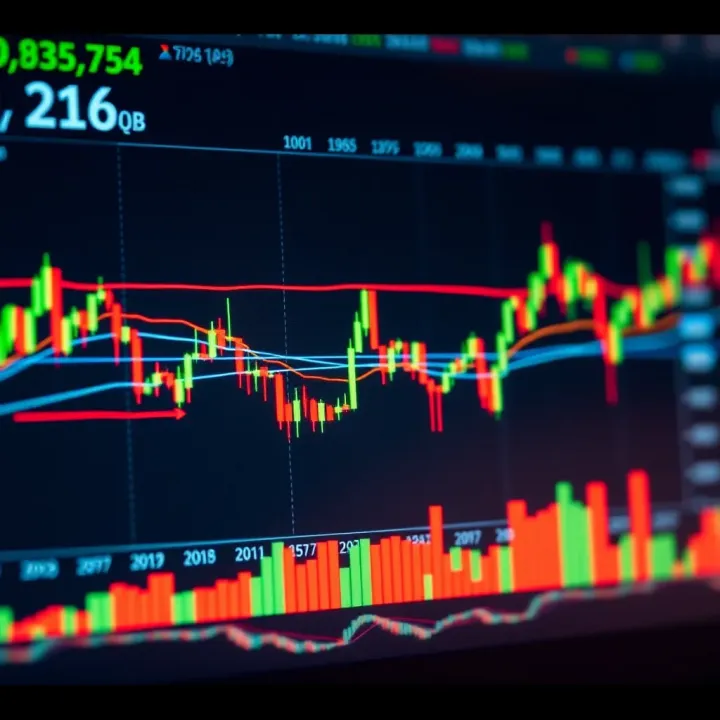
Explore top forex indicators 📊 to boost your trading skills. Learn how to pick the best ones that fit your style and market conditions for smarter moves.
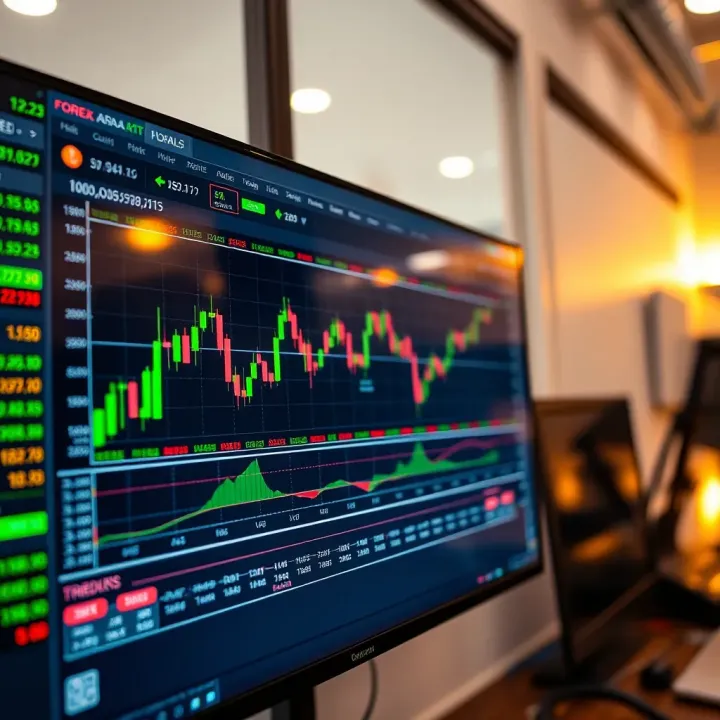
Find the ideal forex trading platforms in Pakistan with our detailed guide on usability, fees, regulation, and features. Start trading smart with 📈💰 today!
Based on 13 reviews