
Best Trading Apps for New Investors in Pakistan
Discover the best trading app for beginners 📈 in Pakistan. Get practical tips, compare features, and start investing with confidence and ease today! 💼
Edited By
James Whitaker
Forex trading has grown significantly in Pakistan, attracting many new traders curious about how global currency markets work. Unlike the stock market, forex trading involves buying and selling currency pairs, such as USD/PKR, with the aim of profiting from exchange rate fluctuations. This guide will walk you through the essential concepts, focusing on practical advice that beginners in Pakistan can use to start trading confidently.
The forex market operates 24 hours a day, five days a week, making it more flexible than Pakistan’s PSX (Pakistan Stock Exchange). It is the world’s largest financial market, with daily trading volumes exceeding $6 trillion globally. For Pakistani traders, forex offers opportunities to capitalise on currency movements between the US dollar, Pakistani rupee, euro, and other major currencies.
Unlike stock trading, forex uses currency pairs and requires understanding factors like geopolitical events, economic indicators, and central bank decisions — including SBP’s monetary policies — that influence the PKR’s value.
When you trade forex, you essentially buy one currency while selling another. For example, if you believe the US dollar will strengthen against the Pakistani rupee, you might buy the USD/PKR pair. If the dollar gains value, you can sell the pair later at a profit.
Pip: The smallest price movement in a currency pair, usually 0.0001 for most pairs.
Leverage: Allows you to open larger positions with a smaller amount of capital, but it increases risk.
Spread: The difference between the buying (ask) and selling (bid) price, a cost charged by brokers.
Selecting a trustworthy forex broker is crucial. Look for brokers regulated by recognised authorities, offer competitive spreads, and provide a local payment method such as EasyPaisa or JazzCash to deposit and withdraw funds easily. Avoid brokers without a clear license because scams are unfortunately common in unregulated markets.
In Pakistan, due to PTA and SBP guidelines, your chosen broker should comply with financial regulations and safeguard your funds.
Forex trading can be profitable, but the risk is high if you don't practise discipline. Use stop-loss orders to limit potential losses and never trade with money you can’t afford to lose. Developing a trading plan and sticking to it helps avoid emotional decisions, especially during volatile market periods like elections or externally induced shocks.
By understanding these basics and preparing carefully, you can take your first step into forex trading with more confidence and realistic expectations.
Knowing the basics of forex trading is key to making smart decisions and managing risks. When you understand how currency markets work, you avoid jumping into trades blindly, which can lead to losses. This guide introduces you to the foundations so you can build a practical approach tailored to the Pakistani market.
Forex trading is the buying and selling of one currency against another. People trade currencies to profit from changes in their values or to hedge against currency risk. For example, if you expect the US dollar to strengthen against the Pakistani rupee, you might buy USD/PKR, hoping to sell later at a higher rate.
The main goal is to exchange currencies at a favourable rate. Traders can operate anywhere, anytime, because forex is a global market without a central exchange. This accessibility makes it attractive for beginners and experienced investors alike.
Currency pairs are central to forex trading. They show how much of one currency you need to buy one unit of another. For instance, if EUR/USD is 1.15, it means 1 euro costs 1.15 US dollars. The first currency (EUR) is called the base, and the second (USD) is the quote. Understanding these quotations helps traders spot potential profit chances or risks.
Pairs are grouped into major, minor, and exotic categories. Major pairs like EUR/USD or USD/JPY are most traded and often have tighter spreads. Exotic pairs might involve PKR against other currencies but usually see less volume and higher trading costs.
Forex trading runs 24 hours a day during weekdays because it involves different global time zones. The market opens in Sydney, then moves to Tokyo, London, and finally New York. Knowing these sessions helps you pick the best time to trade specific pairs. For example, USD/PKR might be more active when London and New York markets overlap.
Banks, brokers, and traders are the main players. Banks handle large volumes for clients, governments, and themselves. Brokers act as intermediaries connecting retail traders to the market. You, as a trader, place orders through brokers who execute these trades on your behalf. Some banks and brokers also provide liquidity, affecting spreads and price movements.
Successful forex trading depends on understanding these roles and the market's time flow. Knowing when and who drives currency prices can improve your timing and strategy.
Trading currencies requires familiarity with market hours and participants, as this shapes price changes and trading conditions worldwide. For example, political news or economic data released during the London session can sway USD/PKR rates quickly, offering opportunities or risks you should be ready for.
Before diving into forex trading, setting up a proper foundation in Pakistan's context is key. Starting correctly helps you navigate legal requirements, payment methods, and broker selection safely. This section guides you through the essentials of opening a forex trading account and managing funds locally.
Choosing a reliable broker with PTA approval is the first step for anyone serious about forex trading in Pakistan. The Pakistan Telecommunication Authority (PTA) monitors online financial services, so selecting a broker that complies with PTA regulations ensures your trading platform is legitimate and secure. For example, brokers registered with the Securities and Exchange Commission of Pakistan (SECP) and approved by PTA offer better protection against scams. Always check the broker’s licensing and confirm they support transactions within Pakistan, especially for options like local currency accounts.
Account security also depends on a trustworthy broker’s infrastructure, so avoid unregulated or offshore-only platforms that lack local oversight. Trustworthy brokers typically offer local customer support and transparent fee structures, which are crucial for beginners.
Account verification and CNIC requirements are standard protocols for forex brokers operating in Pakistan. Most brokers require a valid Computerised National Identity Card (CNIC) to verify your identity, ensuring compliance with anti-money laundering (AML) rules. This also safeguards both the broker and trader by preventing fraud.
The verification process usually involves uploading a scanned CNIC copy alongside proof of address, like a utility bill or bank statement. This step might seem cumbersome but speeds up account approval and smoothens deposit or withdrawal processes. For example, a verified trader can expect hassle-free transactions through JazzCash or Easypaisa as the account status confirms legitimacy.
When it comes to funding your forex account, you have options like JazzCash, Easypaisa, and bank transfers. These services have become popular due to their ease and accessibility in Pakistan. JazzCash and Easypaisa allow instant deposits and withdrawals with minimal transaction fees, making them practical for frequent traders. Meanwhile, traditional bank transfers remain a reliable choice for larger sums but may take a day or two for processing.
Using local payment methods also helps avoid currency conversion losses or delays common with international wire transfers. This means if you fund your account with Rs 50,000 via JazzCash, the full amount typically reflects without extra charges. That said, always check your broker’s accepted payment methods before registering.
Understanding deposit and withdrawal processes is crucial to maintain liquidity when trading forex. Deposits through Pakistani channels usually clear quickly, letting you start trading soon after. Withdrawals, however, might need additional verification, especially for first-time requests.
For instance, some brokers require withdrawal requests to be processed during business hours, while others offer 24/7 support. Keep in mind that withdrawal to Pakistani mobile wallets might take a few hours, whereas bank transfers could demand up to 48 hours. Being aware of these timelines helps plan your trading activities without unexpected fund unavailability.
Always keep your trading account documents up to date and monitor your transaction history regularly to avoid any issues with payments.
Getting these basics right will make your forex journey smoother and more secure, building your confidence as you explore trading strategies later.
Understanding key trading strategies and analysis methods is essential for anyone serious about forex trading. These tools help you make smart entry and exit decisions rather than randomly guessing the market direction. For a Pakistani trader, knowing how to read charts and interpret economic news can be the difference between profit and loss.
Using charts, indicators, and price patterns allows traders to identify trends and potential reversal points in the forex market. For instance, if the chart of USD/PKR shows consistent higher highs and higher lows, it signals an uptrend. Patterns like head and shoulders or double tops can warn you when a currency pair might change direction, giving you time to adjust your trades.
Common tools such as Moving Averages and the Relative Strength Index (RSI) are widely used for spotting these trends and market momentum. A Moving Average smooths out price data, helping you see the overall direction and avoid noise. The RSI, on the other hand, tells you if a currency is overbought or oversold, which may suggest a price correction soon. Combining these tools can improve your timing for buying or selling.
Economic data like inflation rates, GDP growth, and central bank policies greatly impact forex prices. For example, if the State Bank of Pakistan raises interest rates, the Pakistani Rupee might strengthen as investors seek higher returns. Keeping track of such announcements helps traders anticipate currency moves.
Monitoring news relevant to PKR and major global currencies such as USD, EUR, and JPY is equally important. Political developments, trade deals, or geopolitical tensions can cause sudden price shifts. Pakistani traders should watch national economic reports alongside global news to understand market behaviour fully.
Day trading involves entering and exiting trades within the same day, aiming to profit from small price changes. Swing trading holds positions for several days to capture expected market swings, while scalping targets tiny profits from frequent trades lasting seconds or minutes. Each strategy suits different risk tolerance and market understanding.
Risk-to-reward ratio is a key consideration for all trading styles. For example, if you risk Rs 1,000 on a trade, aim to make Rs 2,000 or more to justify the risk. Managing this relationship ensures your profitable trades cover the occasional losses, keeping your overall strategy sustainable.
Successful forex trading in Pakistan depends on combining technical and fundamental analyses with clear trading strategies and sound risk management. Being disciplined and learning continuously improves your chances more than relying on tips or guesswork.
Risk management is the backbone of successful forex trading. Without it, even the best strategies can backfire quickly. This section shows practical ways to control your losses and protect your capital, which is especially important for traders in Pakistan where market volatility and leverage can lead to big swings. Avoiding common mistakes like emotional trading or ignoring due diligence helps save you from unnecessary losses and stress.
Setting stop-loss and take-profit orders is a simple yet powerful tool to shield your trading account. A stop-loss order automatically closes your trade when the price moves against you by a specified amount, limiting your loss. For example, if you enter a trade on USD/PKR at 280 and set a stop-loss at 275, the system will close your position if the price falls to 275, protecting your investment from further decline. Similarly, take-profit orders lock in gains by closing a trade once it reaches your target price. Using these orders combined keeps your profits safe and prevents emotional decision-making during sudden market swings.
Position sizing and leverage control also play a key role in managing risks. Position sizing means deciding how much of your total capital you want to risk on a single trade. For instance, if you have Rs 100,000 in your trading account, risking 1% (Rs 1,000) per trade helps absorb losses without wiping out your balance quickly. Leverage amplifies both profits and losses, so Pakistani traders must use it cautiously. If your broker offers 1:100 leverage, a small price movement can cause big changes in your account. Controlling leverage and keeping trade sizes reasonable ensures you don’t lose too much when the market moves against you.
Overtrading and emotional decision-making are frequent traps for beginners. Overtrading means entering too many trades without clear reasoning or strategy, often driven by impatience or a need to recover earlier losses quickly. This usually leads to poor decisions and bigger losses. Emotional trading occurs when fears or greed influence trades rather than careful analysis. For example, chasing a losing trade by doubling your position size rarely ends well. Keeping a calm mind and sticking to your trading plan prevents such errors.
Neglecting research and relying on tips can seriously harm your forex journey. Many traders get tempted to follow hot tips from friends, social media groups, or unverified sources without understanding why a trade might work. This approach often leads to bad trades and wasted money. Instead, focus on learning fundamental and technical analysis, monitor global and local economic events, and verify information through trusted financial news outlets. Building knowledge yourself is the only way to trade confidently and sustainably.
Managing risks and avoiding common pitfalls is not just about preventing losses; it is about building the right attitude and discipline to thrive in forex trading over the long term.
By mastering these techniques and steering clear of typical mistakes, you create a solid foundation for consistent and safe trading in forex markets.
Effective forex trading depends a lot on having the right tools and resources at your fingertips. For traders in Pakistan, these tools simplify analysis, execution, and staying informed about markets. Using the best software and reliable information sources can sharply improve your chances of consistent results.
MetaTrader 4 (MT4) and MetaTrader 5 (MT5) remain the most widely used trading platforms globally, including in Pakistan. These platforms offer detailed charting, real-time price updates, and a range of technical indicators essential for analysing currency movements. MT4 is popular due to its simplicity and low system demands, whereas MT5 provides more advanced features like additional timeframes, more indicator options, and improved order management.
Most Pakistani brokers support both platforms, allowing traders to choose based on preference and device capability. For example, a beginner might find MT4’s interface less intimidating, while experienced traders may prefer MT5 for its flexibility.
Mobile trading apps have gained huge popularity owing to Pakistan’s high smartphone penetration. Apps like MetaTrader’s mobile versions, along with broker-specific apps from firms such as AAFX Trading and Alvexo, allow you to monitor and execute trades on the go. These apps support push notifications for price alerts and let you manage orders with a few taps, which is ideal given Pakistan’s sometimes unstable internet connectivity.
Reliable learning sources can make a great difference in your forex trading journey. Websites like BabyPips provide structured courses in Urdu, tailored for beginners. Pakistani YouTube channels and forums offer community support where you can discuss strategies and get feedback. Local forums add value by focusing on the unique challenges faced by traders here, such as understanding PTA regulations for brokers.
Regularly tracking economic calendars is also important. Websites providing real-time updates for key events like SBP monetary policy announcements, US Federal Reserve meetings, or PKR exchange rates help traders anticipate market moves. News feeds from trusted financial agencies keep you informed on sudden developments, which is crucial in volatile markets.
Using the right platforms and staying updated with trusted news not only aid decision-making but also protect you from surprises in fast-moving forex markets.
Having these tools and resources in place streamlines your trading and helps build confidence, especially when starting out in Pakistan’s forex trading scene.
Discover the best trading app for beginners 📈 in Pakistan. Get practical tips, compare features, and start investing with confidence and ease today! 💼
📱 Explore the best trading apps for beginners in Pakistan! Learn what features to watch for, regulatory tips, and steps to trade confidently in 2024.
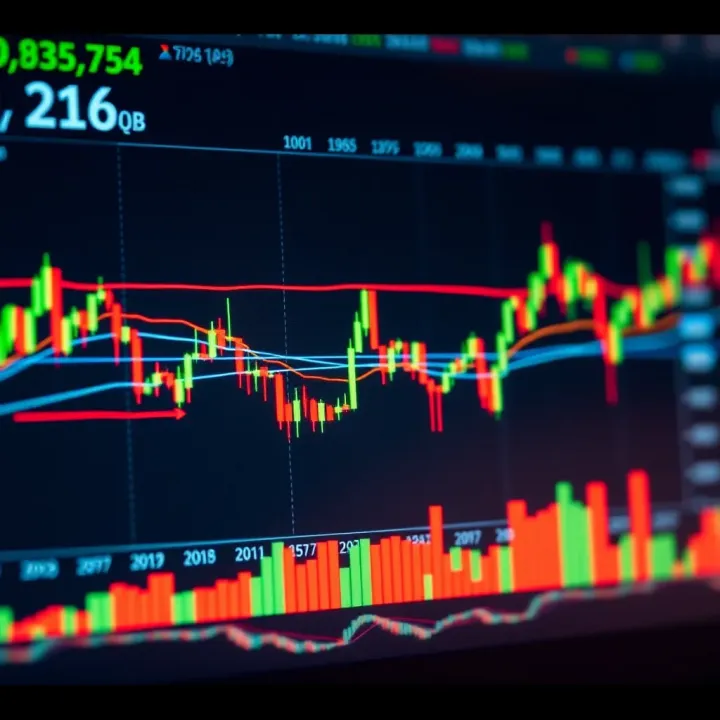
Explore top forex indicators 📊 to boost your trading skills. Learn how to pick the best ones that fit your style and market conditions for smarter moves.
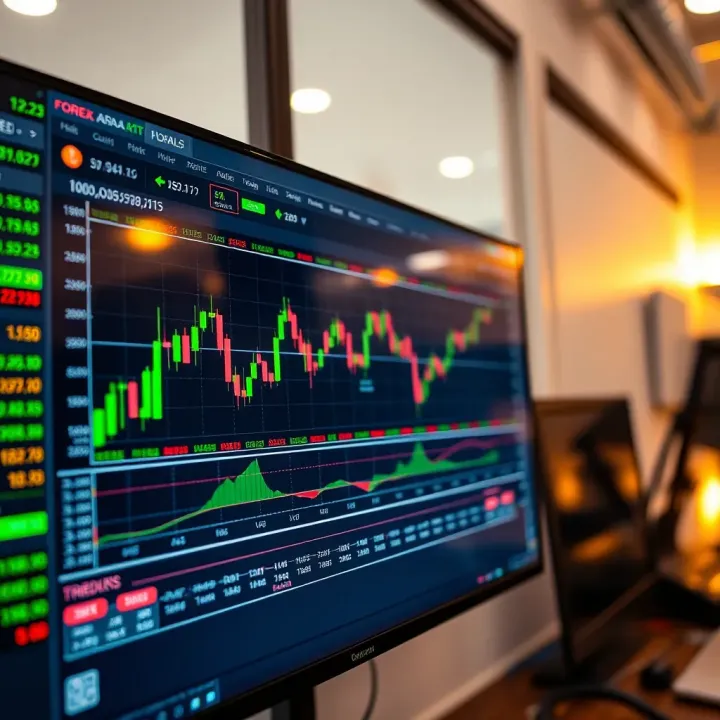
Find the ideal forex trading platforms in Pakistan with our detailed guide on usability, fees, regulation, and features. Start trading smart with 📈💰 today!
Based on 5 reviews