
Best Forex Trading Platforms in Pakistan 2024
Find the ideal forex trading platforms in Pakistan with our detailed guide on usability, fees, regulation, and features. Start trading smart with 📈💰 today!
Edited By
Charlotte Dawson
Forex trading, or foreign exchange trading, involves buying and selling currencies to profit from changes in exchange rates. In Pakistan, this activity has specific legal boundaries defined mainly by the State Bank of Pakistan (SBP) and other regulatory bodies. Understanding these rules is essential before stepping into forex trading, especially given the complex regulatory environment.
Pakistan's forex market differs from international platforms in that the SBP strictly controls dealings involving foreign currencies. Only authorised dealers, such as banks and regulated financial institutions, are allowed to conduct forex trading legally within the country. This means that individual traders cannot freely operate in the international forex market from Pakistan without proper licensing.
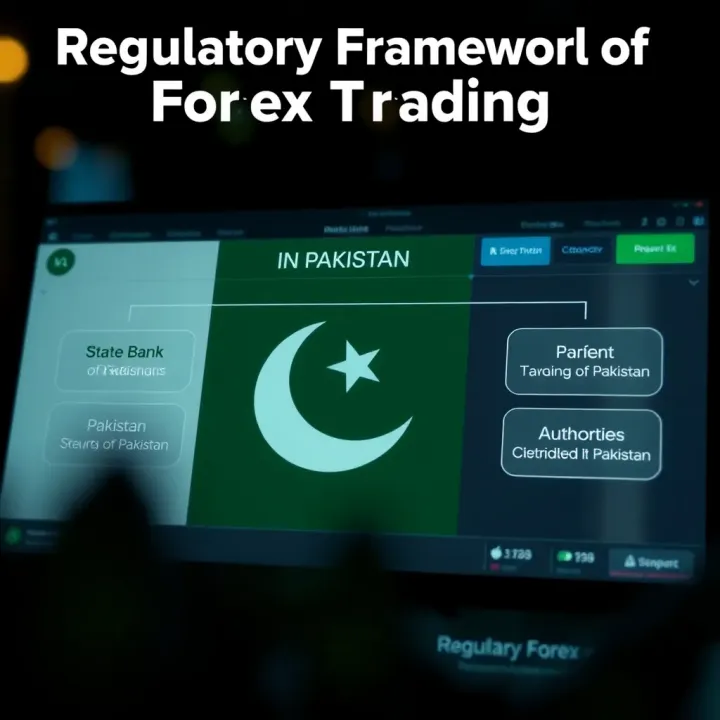
Trading foreign currency through unapproved channels can expose you to legal risks, including penalties and fines imposed by the SBP and the Federal Board of Revenue (FBR).
Retail forex trading via online platforms that are not recognised or approved by SBP remains illegal. Many platforms claim to offer forex services to Pakistani traders, but if they are not registered or regulated locally, transactions with them could lead to violations of Pakistan’s foreign exchange laws.
Here are some key points to keep in mind about forex trading in Pakistan:
Authorised dealers only: Banks and SBP-approved financial institutions handle lawful forex trading.
No direct forex trading for individuals: You cannot open a forex trading account with international brokers from Pakistan without meeting regulatory conditions.
Takings in foreign currency: Converting rupees into foreign currency for investment or trade must follow SBP’s guidelines.
Penalties for illegal trading: Engaging with unauthorised platforms can result in legal action and loss of funds.
In practice, authorised forex trading mainly happens through licensed banks that facilitate currency exchange for imports, exports, and travel needs. Investors looking for forex exposure often use instruments such as foreign currency accounts or regulated mutual funds.
Understanding the legal landscape helps traders avoid pitfalls while exploring opportunities. Later sections will discuss detailed regulations, risk management, and how to legally participate in forex trading in Pakistan.
Forex trading, or foreign exchange trading, plays a significant role in Pakistan's financial ecosystem. It involves exchanging one currency for another, allowing traders to profit from fluctuations in exchange rates. This section unpacks the basics of forex trading and highlights why understanding it matters in Pakistan's economic context.
At its core, forex trading is the buying and selling of currencies in a global marketplace that runs 24 hours a day. For instance, if you believe the US dollar will strengthen against the Pakistani rupee, you might buy dollars today expecting to sell them later at a profit when the exchange rate shifts. Traders can operate through banks, brokers, or online platforms, but it is crucial to stick with those authorised by the State Bank of Pakistan (SBP) to stay within the law.
Risk and rewards go hand in hand here; many traders sell currency pairs like USD/PKR, EUR/PKR, or GBP/PKR. Speculation is common but so is the use of forex for genuine international business needs, such as importing machinery or paying overseas salaries.
The currency exchange market is the backbone of international trade and finance. It ensures that businesses and individuals in Pakistan can convert rupees into other currencies and vice versa. This process helps exporters receive foreign payments and importers pay overseas suppliers. Without a functioning forex market, companies would struggle to operate globally.
Moreover, the exchange rate impacts inflation and the prices of imported goods here. For example, a sharp depreciation of the rupee against the dollar raises the cost of imported petrol, electronics, and raw materials, which trickles down to everyday prices. That makes forex trading more than just for investors; it affects the household economy.
Understanding forex trading and the currency exchange market is essential for anyone involved in finance, business, or investment in Pakistan. It not only opens opportunities but also informs better decision-making regarding risk and compliance.
In Pakistan, forex trading underlines the link between local and international markets. Recognising the mechanisms here helps traders and investors navigate the legal framework and avoid pitfalls with unregulated brokers. This knowledge is the first step to engaging with forex safely and profitably.
Having a clear legal framework around forex trading is essential for protecting investors, maintaining market stability, and preventing illegal activities like money laundering. In Pakistan, this framework sets the boundaries for what traders and brokers can do, ensuring that forex activities align with national financial policies and international standards.
The State Bank of Pakistan (SBP) is the primary regulator of forex transactions in the country. It controls currency flows, issues licences for authorised dealers, and monitors compliance with forex laws. For example, only SBP-approved banks and exchange companies can legally provide forex services to individuals and businesses. This helps stop unofficial forex dealings that could destabilise the rupee or violate foreign exchange rules.
SBP publishes guidelines on permissible forex transactions and regularly updates its policies to address emerging challenges. Traders who want to convert PKR to foreign currencies or vice versa must do so through SBP-authorised channels. This protects you from falling into traps set by unauthorized brokers or shady platforms.
The Foreign Exchange Regulation Act (FERA) of 1947 remains the backbone of forex rules in Pakistan, supplemented by amendments and related regulations. FERA restricts unauthorised foreign currency dealings and outlines penalties for violations. For instance, trading with offshore brokers who aren't registered or paying in foreign currency without SBP approval is illegal.
Additionally, the Anti-Money Laundering Act and provisions from the Prevention of Electronic Crimes Act (PECA) support the enforcement of forex regulations by targeting fraudulent transactions and cybercrimes in the forex space. These laws ensure that individuals and businesses operate within legal limits, protecting Pakistan's economic interests.
Different forex activities fall clearly inside or outside legal boundaries. Permissible activities include:
Trading foreign currency only through SBP-approved banks and brokers
Investing in foreign currency accounts allowed under SBP guidelines
Using forex for genuine trade payments and remittances
On the other hand, prohibited activities entail:
Trading through unlicensed brokers or online platforms not approved by SBP
Speculative forex trading aimed only at profits without underlying trade or investment
Transferring foreign currency without reporting or outside recognised channels
Understanding this legal framework is your first step to practising forex trading safely and effectively in Pakistan. It limits your risk and helps you spot suspicious operations before any damage is done.
Knowing what is legal and illegal in forex trading is essential for anyone considering entering Pakistan’s foreign exchange market. This understanding helps protect traders and investors from financial losses and legal troubles that often arise from dealing with unauthorised platforms or ignoring regulatory guidelines. For example, trading through brokers not registered with the State Bank of Pakistan (SBP) can lead to frozen accounts or hefty fines.
In Pakistan, the only legal way to conduct forex trading is through SBP-authorised banks and registered brokers. These entities operate under strict regulatory oversight, ensuring compliance with the Foreign Exchange Regulation Act and other relevant laws. For instance, using an SBP-approved bank’s platform for remitting foreign currency funds or trading in foreign exchange futures provides legal protection. Pakistani traders can also engage with companies licensed by the Securities and Exchange Commission of Pakistan (SECP) to ensure their operations are above board. This limits exposure to scams and guarantees proper documentation and tax reporting.
Many traders fall prey to unregistered brokers or offshore platforms promising high returns with little transparency. These unauthorised brokers are not overseen by any Pakistani regulator, putting users at risk of fraud, delayed withdrawals, or total loss of funds. An example is when investors in Pakistan used foreign websites selling forex options without proper licensing, leading to blocked funds and no legal recourse. It is advisable to verify a broker’s credentials through SBP or SECP before investing. Trading via unauthorised channels jeopardises one’s financial security and violates Pakistan’s foreign exchange laws.
Engaging in illegal forex trading leads to financial and legal consequences. The SBP has the authority to freeze bank accounts suspected of illicit forex transactions and impose fines that can run into lakhs. Moreover, offenders risk criminal prosecution for violating the Foreign Exchange Regulation Act. For example, traders found transferring forex funds through unapproved channels might face penalties, including imprisonment. These penalties highlight the seriousness of compliance and show why sticking to legal routes is not just prudent but necessary.
Understanding legal and illegal forex trading helps you trade confidently without risking your capital or falling foul of Pakistan’s strict forex regulations.
Being aware of these distinctions allows traders to navigate the forex market safely and avoid costly mistakes. Always ensure your trading activities follow the regulatory framework set by SBP and other authorities to remain on the right side of the law.
Participating in forex trading within Pakistan’s legal framework is essential to avoid penalties and ensure secure dealings. Traders must follow specific procedures to remain compliant with regulations set by the State Bank of Pakistan (SBP) and other authorities. Sticking to approved channels not only safeguards your investment but also aligns with national economic policies.
To legally trade forex, you should operate only through SBP-approved banks and licensed brokers. These entities are regulated and monitored to prevent fraudulent activities and maintain transparency in foreign exchange dealings. For example, if you want to convert PKR into USD, choosing a bank like Habib Bank Limited or MCB Bank ensures your transactions comply with monetary laws. Avoid unregulated platforms or brokers claiming quick profits—they often operate outside legal boundaries and put your money at risk.
Formal forex transactions require proper documentation, including a valid Computerised National Identity Card (CNIC), proof of source of funds, and sometimes a valid NTN (National Tax Number). Banks may also request KYC (Know Your Customer) documents as part of anti-money laundering efforts. For instance, when opening a forex trading account, you must submit your CNIC and NTN and sometimes income proof to verify the legitimacy of your funds. Maintaining these records is important not only for compliance but also to smoothen audits or any future investigations.
Profits earned from forex trading are taxable under Pakistan’s income tax laws. It’s crucial to report these gains accurately when filing your annual tax returns. Failure to disclose forex income may lead to penalties or legal complications with the Federal Board of Revenue (FBR). For example, if you earn Rs 5 lakh from forex trading in a year, you should include this as income and pay the applicable tax slabs. Moreover, banks and brokers often report your transactions to the FBR, so keeping transparent records helps avoid misunderstandings.
Trading forex through legal channels protects you from scams and government penalties while contributing to Pakistan’s regulated financial system.
By using SBP-approved institutions, maintaining proper documentation, and understanding tax responsibilities, traders can confidently participate in forex trading without risking legal troubles. Staying informed about these steps ensures smooth and lawful foreign exchange activities, which benefits both individuals and the economy alike.
Forex trading in Pakistan comes with distinct risks and challenges that every trader and investor should understand before participating. These issues not only affect potential profits but can also lead to serious financial losses or legal troubles if overlooked.
Foreign exchange markets are inherently volatile due to constant shifts driven by global political events, economic data, and central bank decisions. For example, Pakistan’s rupee has seen sharp fluctuations during periods of political uncertainty or changes in oil prices, significantly impacting forex trading outcomes. Price swings can be unpredictable and sometimes severe, particularly during international crises or local economic stress such as inflation or budgetary deficits. This volatility means traders must stay updated on macroeconomic indicators and global news that influence currency values.
Due to the lack of widespread regulatory enforcement in Pakistan’s forex market, many unauthorised brokers target less-informed traders with promises of high returns. These scams often involve fake trading platforms or Ponzi schemes, leading to substantial financial losses. A common example is bogus firms soliciting investments online without any SBP approval or local licensing. Traders must verify brokers through official SBP channels and avoid trading with offshore or unverified platforms. Awareness about these risks is essential because recovering money from such scams is usually difficult and slow.
Successful participation in forex trading requires not just capital but solid knowledge and awareness. Understanding how forex markets work, the importance of risk management, and compliance with Pakistan’s legal framework helps minimise potential damage. Trading courses, webinars, and official guidelines from SBP or reputable financial advisors improve traders’ decision-making skills. For instance, learning to use stop-loss orders can protect investments during unexpected market dips. Moreover, educated traders tend to identify suspicious schemes more easily and adhere to lawful trading channels, safeguarding their investments and reputations.
Staying informed and cautious is crucial in Pakistan’s forex space. With proper knowledge and verification, traders can avoid common pitfalls and operate within legal boundaries safely.
These factors combined underline why Pakistanis interested in forex trading must approach it with care, armed with proper education and a clear understanding of the risks involved. This approach protects not only their finances but also helps maintain trust in the overall forex market system.
The future of forex trading in Pakistan hinges largely on upcoming regulatory reforms and the evolving economic landscape. Traders and investors keen to engage in this market need to stay updated with these changes to ensure compliance and seize emerging opportunities. Given Pakistan’s position as an emerging market with growing interests in foreign exchange, understanding the outlook helps navigate legal restrictions while optimising returns.
Pakistan’s forex market is set to experience stricter oversight as the State Bank of Pakistan (SBP) revises its regulations to align with international standards. Anticipated reforms include enhanced licensing requirements for brokers and tighter controls on cross-border capital flows to curb speculative activities. For example, SBP may implement more rigorous reporting standards for forex transactions done by banks and authorised dealers, increasing transparency.
These regulatory shifts aim to secure the market against fraud and unauthorised operations while fostering investor confidence. There's also talk of simplifying forex dealings for small investors under clear, legal frameworks, potentially boosting participation through recognised digital platforms. This move would address current grey areas where uninformed investors face risks from unregulated online brokers.
Staying ahead of these regulatory developments is crucial because failure to comply could result in penalties or loss of trading privileges.
With regulatory clarity improving, the forex market in Pakistan offers growing prospects for both retail and institutional investors. One key opportunity lies in day trading and hedging through officially registered brokerages that operate within SBP’s guidelines. This provides a safer environment, reducing the risks of scams that have plagued the sector.
Moreover, Pakistan’s economic ties with China via the China-Pakistan Economic Corridor (CPEC) and increasing remittance inflows create demand for foreign currency trading options. Traders can capitalise on currency fluctuations influenced by these factors if they operate within the legal framework. For instance, currency pairs involving the US dollar and the Chinese yuan might become more prominent.
Finally, improved digital infrastructure and mobile banking platforms like JazzCash and Easypaisa integrated with banking services could facilitate easier access and settlement in forex trading, encouraging more participation from Pakistan’s tech-savvy youth and small investors.
This evolving environment suggests a gradual but positive shift toward a regulated, accessible forex market in Pakistan where informed participants can benefit while abiding by legal policies.
Find the ideal forex trading platforms in Pakistan with our detailed guide on usability, fees, regulation, and features. Start trading smart with 📈💰 today!
🔎 Find the best forex broker in Pakistan with tips on regulation, fees, platforms, and service. Trade smart and avoid common local challenges!
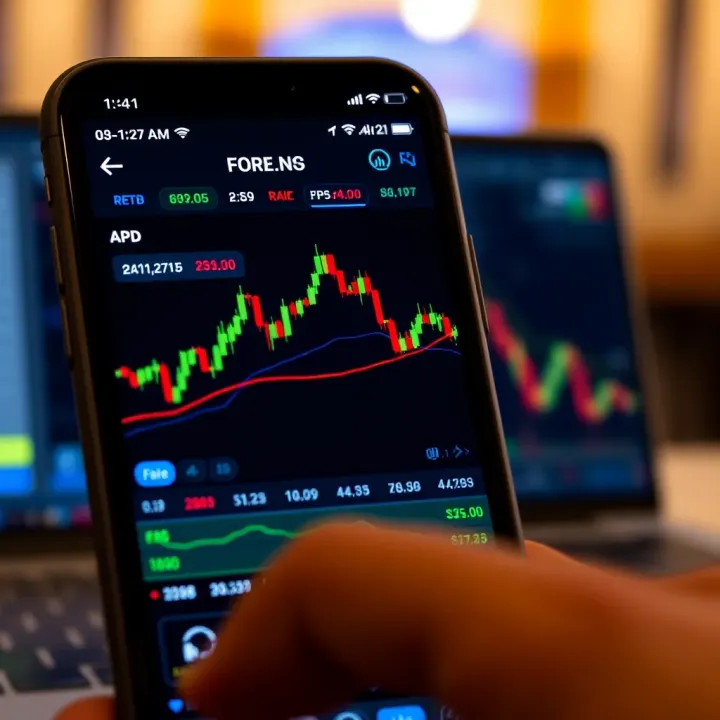
Discover the top forex trading apps for Pakistani traders 🇵🇰! Compare ease of use, security features 🔒, tools, and broker options to find your perfect fit 💹.

📱Explore the best forex trading apps in Pakistan! Learn about features, usability & tips to boost your trading game for reliable results. 💰
Based on 11 reviews