
Forex Trading Hours in Pakistan: Key Market Times & Tips
📈 Discover forex trading hours in Pakistan, learn key market sessions and align your trades with PKT to boost your strategy and maximise profits.
Edited By
Isabella Wright
Forex trading offers Pakistani investors an opportunity to engage with global currency markets right from their homes. With a daily turnover exceeding $6 trillion worldwide, forex trading ranks among the most liquid financial markets. However, success here requires more than luck; it demands understanding strategies, risk management, and local economic factors.
Pakistani traders should focus on currency pairs that involve the Pakistani rupee (PKR) as well as major pairs like USD/EUR and USD/JPY, which often impact PKR-related trades. Keeping a close eye on macroeconomic indicators such as SBP's interest rate decisions, trade balance reports, and geopolitical events can give traders valuable insights.

Selecting the right trading platform is also critical. Platforms like MetaTrader 4 or 5 are popular for their reliability and tools, while local brokers licensed by the Securities and Exchange Commission of Pakistan (SECP) ensure compliance with regulations and protection of investments.
Always remember, managing your risks is as important as choosing the right trading strategy. Using tools like stop-loss orders can prevent significant losses during market volatility.
Key points for Pakistani forex traders:
Understand the economic factors influencing PKR and related pairs
Use trusted, SECP-regulated brokers with transparent fee structures
Employ risk management methods such as setting stop-loss and take-profit levels
Keep updated with FBR and SBP announcements affecting currency markets
By grounding trading practices in local realities and global market conditions, traders can improve their chances of consistent profitability while avoiding common pitfalls. This guide will unpack these essentials in more detail, helping Pakistani traders navigate forex markets confidently.
Forex trading involves buying and selling currencies against one another, aiming to profit from changes in exchange rates. For Pakistani traders, understanding these basics is key to navigating a highly liquid and volatile market. Knowing how forex works provides the foundation for making informed decisions and managing risks effectively.
Forex trading operates through currency pairs, where one currency is exchanged for another. For example, if you believe the US dollar will strengthen against the Pakistani rupee, you may buy USD/PKR. The difference between buying and selling prices, called the spread, plus exchange rate movements, determines your profit or loss. Trades can last minutes or days, depending on your strategy and market conditions.
Major pairs including USD/PKR: The USD/PKR pair is the most traded by Pakistani forex traders due to its direct impact on imports, exports, and remittances in Pakistan. Movements in USD/PKR affect the cost of goods and the rupee’s buying power. For example, a sudden depreciation can make petrol and machinery imports more expensive, impacting inflation levels.
Cross currency pairs and their importance: Besides majors, cross pairs like EUR/JPY or GBP/JPY are traded for diversification. These pairs do not involve the USD directly but offer opportunities in broader markets. Pakistani traders use them to hedge currency exposure or tap into global market trends beyond PKR.
Factors influencing PKR exchange rates: PKR exchange rates react to various factors such as political stability, foreign remittances, trade balance, and monetary policy changes by the State Bank of Pakistan (SBP). For instance, heavy foreign loans or an increase in SBP’s policy rate can shift the rupee’s value significantly.
Local and international trading platforms: Pakistani traders have access to platforms like MetaTrader 4/5, Plus500, and local brokers’ platforms. Internationally popular platforms offer advanced tools and better spreads, while local ones might provide easier fund transfers in PKR.
Regulatory considerations by State Bank of Pakistan and Securities and Exchange Commission of Pakistan: The SBP regulates foreign exchange dealings to ensure legal compliance and prevent money laundering. Pakistani traders must use platforms approved by SBP and comply with SECP’s guidelines to avoid legal issues.
Ease of deposit, withdrawal, and customer support: A platform’s usability, quick deposit and withdrawal services via JazzCash or Easypaisa, and responsive customer support build trust. For example, delays in fund withdrawals deter many traders from unreliable platforms.
Choosing the right platform and understanding currency pairs deeply can save you from costly mistakes and open paths for profitable forex trading in Pakistan.
Understand USD/PKR movements as they directly impact the local economy.
Explore cross currency pairs to diversify your portfolio.
Always verify platform compliance with Pakistani regulations.
Prioritise platforms offering smooth transactions and good support to avoid hassles.
This approach will help you build a solid foundation for your forex trading journey tailored to Pakistan’s unique market conditions.
Successful forex trading depends heavily on effective strategies that fit both market conditions and personal goals. For Pakistani traders, understanding how to apply technical and fundamental analysis alongside disciplined planning can significantly improve chances of profit. Rather than guessing market moves, a clear strategy provides a framework to make consistent, data-driven decisions.
Charts and indicators are the cornerstone of technical analysis. These tools help traders spot price movements and gauge market sentiment. For instance, moving averages smooth out price fluctuations to highlight trends, while indicators like RSI or MACD signal overbought or oversold conditions. Using these tools, a trader in Karachi can decide when to enter or exit a trade rather than relying on guesswork.
Identifying trends and patterns provides insight into market behaviour over time. Trends show the general direction of currency prices, whether upwards, downwards, or sideways. Patterns, such as head and shoulders or double tops, often precede major price moves. Recognising these can give Pakistani traders an edge in timing their trades, especially in pairs like USD/PKR where trend reversals may follow economic reports.
Support and resistance levels mark crucial points where prices tend to pause or reverse. Support is the price where buying interest is strong enough to stop a decline, while resistance is a level where selling pressure halts an advance. A trader spotting PKR approaching resistance against USD might anticipate a pullback and adjust positions accordingly. These levels act like invisible barriers influenced by market psychology.
Monitoring Pakistan’s key economic indicators is essential for fundamental analysis. Data such as inflation rate, trade balance, and foreign exchange reserves directly influence PKR’s value. For example, a sudden drop in remittances reported by the State Bank of Pakistan often weakens PKR, signalling a potential sell-off opportunity.
Global economic events also play a role in forex markets. Interest rate decisions by the US Federal Reserve or geopolitical tensions in the Middle East can cause sudden shifts in USD/PKR. Pakistani traders should keep an eye on such developments, as they can affect liquidity and volatility, creating both risks and opportunities.
The monetary policy of the State Bank of Pakistan (SBP) heavily impacts forex rates. SBP’s interventions through interest rate changes or currency market operations adjust liquidity and investor confidence. For instance, a hike in policy rate generally strengthens PKR by attracting foreign capital, whereas easing may exert downward pressure. Keeping track of SBP announcements helps traders anticipate these moves.
Setting realistic profit targets and stop-loss orders ensures disciplined trading. Limits prevent emotional decisions by capping losses and securing gains. A trader expecting modest returns on USD/PKR should avoid setting overly ambitious targets that tempt risky behaviour. Using stop-loss orders protects capital from sudden market swings common in Pakistan’s forex environment.
Backtesting strategies on historical data is a powerful way to validate trading plans. By replaying past market conditions using local currency pairs, traders can assess how their approach might have performed. This process identifies strengths and weaknesses without risking actual money.
Adjusting plans according to market conditions is vital for staying profitable. Forex markets are dynamic — what works in a stable period may fail during political unrest or economic crises. Pakistani traders should remain flexible, revising their strategies when major events like budget announcements or global shocks reshape currency dynamics.
Effective forex trading is not about luck but about applying tested strategies, keeping up with economic signals, and maintaining discipline to manage risks and rewards successfully.
Managing risks well is the backbone of profiting consistently in forex trading. Without proper risk control, even the best strategies can fail, turning potential profits into losses. In Pakistan’s forex market context, where sudden economic shifts and political developments often affect exchange rates, controlling risk is even more critical. It helps traders protect their capital and stay in the game long term.
Risk management is not just about limiting losses but about keeping your account safe enough to seize opportunities when they arise. A Pakistani trader might face unexpected PKR swings due to announcements from the State Bank of Pakistan or political events. Without a defensive approach like risk management, these swings can wipe out gains quickly.
Consistent profit comes from surviving losses. Protecting your trading capital ensures you stay active and ready for the right trades when market conditions improve.
Using stop-loss and take-profit orders effectively
Stop-loss orders limit the maximum loss on a trade by automatically closing a position if the price crosses a set point. For example, if you buy USD/PKR at 280 and set a stop-loss at 275, your position closes if PKR strengthens suddenly, limiting loss to roughly Rs 5 per unit. Take-profit orders, on the other hand, lock in gains by closing trades when prices reach favourable levels. These tools prevent emotional trading and offer control in volatile markets.
Proper position sizing relative to account balance
Position sizing means trading only a small portion of your total balance on a single trade. For instance, if your trading account has Rs 100,000, risking 2% per trade means you lose no more than Rs 2,000 on any one trade. This safety buffer prevents a few bad trades from draining your entire account. Consistently sizing trades correctly helps manage exposure and keeps you from chasing losses.
Avoiding over-leverage in volatile markets
Leverage lets you control large trade volumes with a smaller deposit, but it increases both profits and losses. Pakistani traders often get tempted to use high leverage for quick gains, but during volatile periods, this can lead to rapid losses. For example, a 100:1 leverage means a 1% market move can wipe out your entire margin. It's safer to use moderate leverage and increase it only as you gain experience.
Handling losses without panic
Every trader faces losses, but the key is to accept them calmly and stick to your strategy. Panic often leads to reckless decisions like doubling down to recover losses. For instance, if your USD/PKR trade moves against you, closing the position promptly avoids deeper losses.
Sticking to the trading plan
A well-crafted trading plan sets out entry, exit, and risk rules. Deviating because of emotions or rumours can ruin profits. If your plan says to exit at a certain point, follow it regardless of market noise. This discipline helps maintain consistency.
Recognising and controlling greed and fear
Greed can push you to overtrade or ignore stop-loss levels, while fear may prevent you from taking good opportunities. Awareness of these emotions allows you to pause and reassess decisions objectively. For example, if a sudden PKR fluctuation triggers greed to chase profits quickly, remind yourself about your risk limits first.
Effective risk management combines practical tools with strong mental control. This balance keeps Pakistani forex traders focused, reduces catastrophic losses, and helps build profits steadily over time.
Forex trading in Pakistan comes with a distinct set of challenges that traders must understand to protect their investments and trade effectively. The regulatory environment, market volatility, and typical trading pitfalls all affect how you navigate the currency markets. Being aware of these hurdles helps in making informed decisions, reducing risks, and improving your chances for profits.
The State Bank of Pakistan (SBP) has laid out clear guidelines governing forex trading to maintain economic stability. These rules include restrictions on cross-border transactions and capital flows, meaning traders must ensure their activities comply with the local financial laws. For example, converting PKR to foreign currency must follow SBP-approved channels, so unofficial dealings can lead to penalties.
Compliance is not just about following SBP rules but also about adhering to transactional reporting and anti-money laundering (AML) standards. Forex transactions often require detailed documentation, and brokers operating in Pakistan must report trades accurately to regulators. This ensures transparency and prevents misuse of foreign exchange facilities.
Trading with foreign brokers brings its own legal challenges. While many international platforms offer competitive services, they operate outside the direct regulatory scope of Pakistani authorities. That means Pakistani traders may face difficulties in dispute resolution or fund recovery if issues arise. It's crucial to verify if the broker adheres to international financial regulations and offers proper client protection before engaging.
Political events in Pakistan have a direct impact on currency values. For instance, election periods or major policy announcements can trigger sharp PKR fluctuations. Traders need to monitor such developments closely to adjust their positions accordingly and avoid unexpected losses.
Sudden exchange rate shifts also result from external shocks like commodity price changes or geopolitical tensions. Handling these swings requires a flexible trading strategy and disciplined risk management to evade being caught off-guard by quick market moves.
Plan your trades considering global factors such as US Federal Reserve moves, oil prices, or China-Pakistan Economic Corridor (CPEC) progress. These influence PKR indirectly through trade balance and investor confidence. Incorporating such global news into your analysis strengthens your ability to anticipate market direction.
Overtrading often leads to unnecessary losses. Jumping into trades impulsively, especially after a few wins or losses, breaks discipline. Sticking to your trading plan and setting limits on daily or weekly trades keeps you focused and reduces emotional decision-making.
Relying on unverified tips or signals from social media or informal groups can be costly. Such advice may lack proper analysis or even be scams. Always cross-check information from trustworthy sources and use your own research before making trades.
Continuous learning is vital in forex trading. Markets evolve, and so do tools and strategies. Neglecting updates on economic changes, technical indicators, and platform features may leave you behind. Engaging with expert webinars, reading financial news, or joining local forex communities will keep your skills sharp.
Navigating forex markets in Pakistan requires more than just strategy; understanding regulations, volatility, and personal discipline is key to lasting success.
Continuous improvement is essential for anyone serious about forex trading, especially in Pakistan's evolving market. Keeping your skills and knowledge up to date helps you adapt to shifting economic conditions and regulatory changes enforced by the State Bank of Pakistan. This section highlights practical resources and tools that can sharpen your trading approach.
Local forex trading seminars and webinars offer hands-on learning tailored to Pakistan’s specific forex environment. Attending these events allows traders to interact with experts who understand the nuances of PKR trading, local regulations, and market behaviours influenced by political and economic factors. Many brokers and financial institutions organise these sessions regularly in cities like Karachi, Lahore, and Islamabad.
Online platforms offering practice accounts play a vital role in developing your trading skills without risking real money. Platforms like MetaTrader 4 and 5 provide demo accounts where you can experiment using virtual funds. This helps you familiarise yourself with technical tools, practice strategies, and build confidence before entering the live market.
Books and blogs focused on currency markets complement practical learning by deepening your understanding of forex fundamentals and strategies. Titles by recognised authors like Kathy Lien, or blogs maintained by Pakistani financial experts, provide insights into market psychology and technical analysis. Regularly reading these materials sharpens your analytical skills alongside current market trends.
Tracking economic announcements relevant to PKR is critical since events like SBP monetary policy statements, inflation reports, and trade balance figures directly impact currency movements. Economic calendars highlight these dates, enabling you to prepare or adjust your positions accordingly.
Following trusted financial news sources in Pakistan ensures you stay informed about domestic and international developments affecting the forex market. Reputable sources include Business Recorder, Dawn’s business section, and financial updates from the SBP. Genuine news helps avoid rumours that can mislead traders.
Integrating news analysis into trading decisions means going beyond headlines. Analyse how geopolitical events, government policies, and global market shifts affect PKR pairings. This practice supports informed decision-making rather than reacting impulsively to market noise.
Sharing strategies and experiences with other traders builds practical knowledge from diverse viewpoints. Pakistani traders often exchange tips through online forums and WhatsApp groups, helping each other navigate market uncertainties and spot new opportunities.
Learning from successful Pakistani traders provides motivation and tested techniques adapted to local conditions. Many seasoned traders share their journeys and strategies on social media or video platforms, offering valuable lessons.
Accessing broker reviews and market insights helps you choose reliable trading partners and avoid scams. Peer reviews highlight brokers’ withdrawal processes, spreads, and customer service quality, which is vital given the varying standards in Pakistan’s forex industry.
Consistent learning and using the right tools remain key to profitable forex trading. Leveraging resources tailored to Pakistan’s market supports more confident, informed trading decisions that can protect your capital and boost returns over time.
📈 Discover forex trading hours in Pakistan, learn key market sessions and align your trades with PKT to boost your strategy and maximise profits.
Find the ideal forex trading platforms in Pakistan with our detailed guide on usability, fees, regulation, and features. Start trading smart with 📈💰 today!
🔎 Find the best forex broker in Pakistan with tips on regulation, fees, platforms, and service. Trade smart and avoid common local challenges!
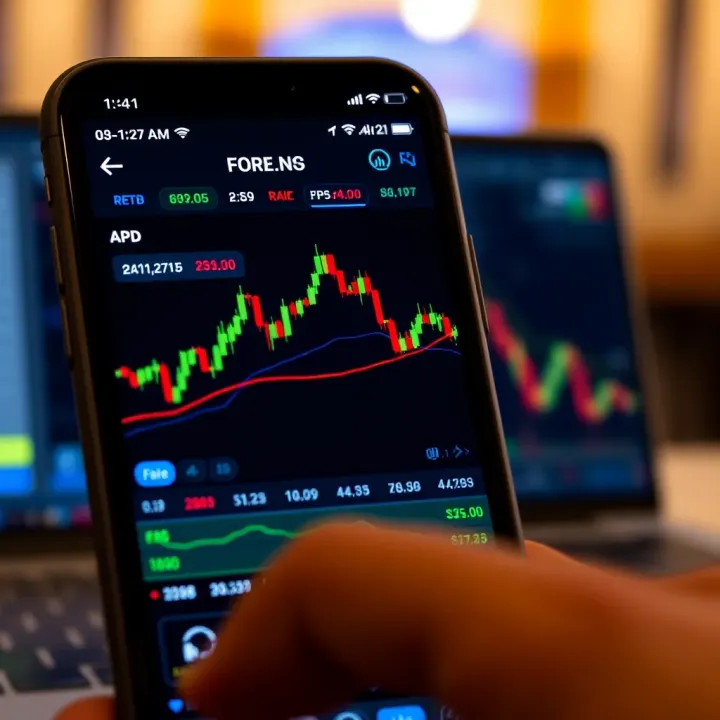
Discover the top forex trading apps for Pakistani traders 🇵🇰! Compare ease of use, security features 🔒, tools, and broker options to find your perfect fit 💹.
Based on 11 reviews