

Understanding Bearish Candlestick Patterns
📉 Learn how bearish candlestick patterns can signal market drops and help refine your trading plan with practical tips for better prediction and strategy.
Edited By
Emma Caldwell
In trading, strong bullish candlestick patterns help you spot potential price rises early. These patterns reflect growing buying interest, often signalling a shift from selling pressure to optimism among traders. Understanding these patterns can improve your timing in the Pakistan Stock Exchange (PSX), cryptocurrency markets, or forex trading portals like JazzCash or Easypaisa.
Candlestick charts originated in Japan and display open, high, low, and close prices for a specific period. A bullish candlestick typically shows a close higher than the open, usually coloured green or white, indicating buyers controlled the session. When certain shapes and sequences form, they point to strong upward momentum.

Here’s what makes a candlestick pattern "strong bullish":
Size: A long real body suggests buyers dominated.
Volume confirmation: Higher trading volumes strengthen the pattern's reliability.
Context: Patterns appearing after a downtrend hint at reversal chances.
Some popular strong bullish patterns include:
Bullish Engulfing: A small bearish candle is followed by a larger bullish candle that "engulfs" it, signalling buyers overtaking sellers.
Morning Star: A three-candle combo—bearish, small indecisive candle, then a big bullish candle—indicating a turnaround.
Hammer: A candle with a small body and a long lower shadow, implying rejection of lower prices.
Using these patterns with other tools like volume analysis or support levels adds confidence to your trades.
In real trading, don't rely solely on patterns. For example, spotting a Morning Star near a key support zone on the PSX chart can be a strong trigger to buy. Make sure your risk remains manageable with stop losses just below the pattern lows.
Practising on different assets and comparing patterns' success rates in Pakistan’s markets will help you refine your skills. With experience, strong bullish candlestick patterns become a key part of your technical toolkit.
Start watching daily charts of your favourite stocks or cryptocurrencies, and note when these bullish signals appear. Over time, this knowledge will sharpen your market sense and improve profits.
Bullish candlestick patterns are essential for traders who want to spot potential upward movements in price. These patterns help understand how buyers are gaining control, often signalling a shift in market momentum. Recognising these patterns early can give you an edge in timing entries or exits in markets like the Pakistan Stock Exchange (PSX) or crypto trading.
Candlestick charts visually display price action over a specific period, using rectangular "bodies" and thin lines called "shadows" or "wicks". Each candlestick summarises four key prices: open, close, high, and low. For example, a daily candlestick for a share traded on PSX will show those values for that trading day. This layout helps traders quickly assess market sentiment and price direction without sifting through numbers alone.
Bullish patterns signal that buyers are stronger, often leading to price rises, while bearish patterns indicate sellers dominating, usually causing price falls. Take the simple case of a green (or white) candle with a close higher than open—it suggests bullish behaviour. Conversely, a red (or black) candle closing below the open denotes bearish pressure. Understanding these distinctions is vital when interpreting charts, as it sets the context for trading decisions and risk management.
Bullish candlestick patterns highlight moments when positive momentum starts to build, possibly reversing a downtrend or confirming an ongoing uptrend. Imagine a situation where a company's stock had been slipping, but the appearance of a strong "hammer" candlestick indicates buyers stepping in. This signal can guide traders to anticipate a bounce and position themselves accordingly.
These patterns serve as a quick visual cue to help traders make informed calls about buying or holding positions. They often work best when combined with other tools like support/resistance levels or volume indicators. For instance, spotting a bullish engulfing pattern near a key support line on the KSE-100 index could prompt a trader to enter or add to a position. Proper use of these signals can limit losses and improve profit potential when trading in volatile markets like equities or cryptocurrencies.
Recognising strong bullish candlestick patterns adds valuable insight to a trader's toolkit, enhancing timing and confidence in market manoeuvres.
Recognising the features of strong bullish candlesticks helps traders make better-informed decisions. These candlesticks often signal a shift in market momentum, suggesting that buyers have taken control. Knowing what sets a strong bullish pattern apart from weaker signals is essential, especially when planning entries or exits in volatile markets like the Pakistan Stock Exchange (PSX).
A strong bullish candle usually has a long body with minimal or no upper and lower shadows (wicks). This means the closing price is significantly higher than the opening price, reflecting firm buying pressure throughout the session. For example, a PSX listed stock showing such a candle during a recovery phase often indicates genuine enthusiasm among traders rather than a brief spike.
This characteristic adds confidence as it shows buyers dominated the session from start to finish. Candles with long upper shadows, by contrast, suggest hesitation or strong resistance levels nearby.
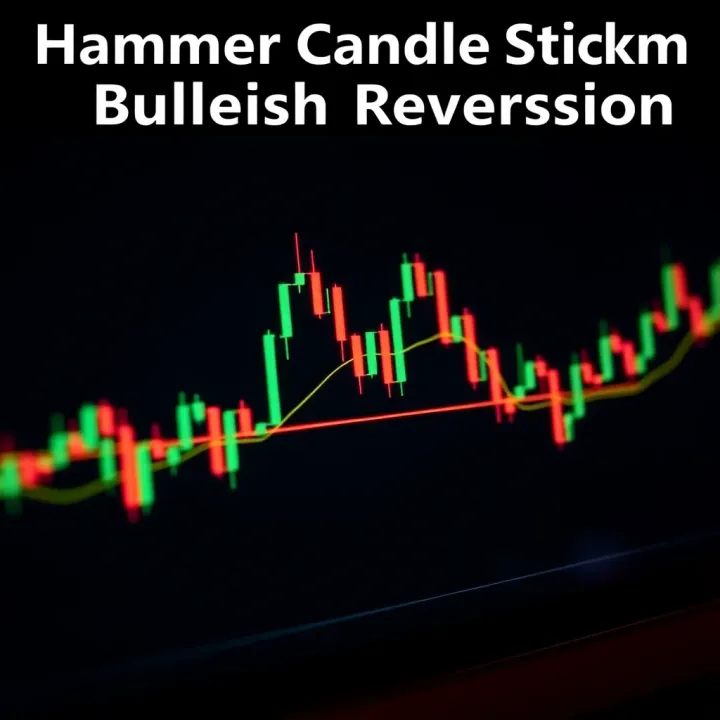
Volume plays a key role in confirming the strength of bullish patterns. When a long-bodied bullish candle forms on rising volume, it signals that more market participants support the upward move. Imagine a scenario where a leading automobile stock in Pakistan rises sharply on the Karachi Stock Exchange with increased trading volume — this volume spike supports the pattern’s reliability.
Without volume support, a bullish candlestick may just be a short-lived rally. So, monitoring volume alongside price action helps filter out weak signals and avoid fakeouts.
The position of a bullish candlestick within the bigger trend influences its significance. A strong bullish candle that appears after a downtrend or near support levels often signals a reversal. For instance, during a correction in the textile sector, spotting a long bullish candle near historic support in Rs 400-420 range might hint at a bounce-back.
Conversely, bullish candles in a well-established uptrend confirm continuation and strengthen conviction. Traders should always consider the bigger picture rather than isolating candles in their analysis.
Understanding the context around a candlestick pattern is vital. A strong bullish candle appearing at a major support zone, confirmed by economic news or technical indicators, carries more weight than one formed randomly. For example, after State Bank of Pakistan (SBP) announces a rate cut, a bullish pattern coupled with positive volume is more significant.
Ignoring context can lead to false signals. Thus, pairing candlestick analysis with key market events, support/resistance, and trend lines sharpens decision-making.
Besides volume, tools like the Relative Strength Index (RSI) or Moving Average Convergence Divergence (MACD) help judge the quality of bullish signals. When a bullish candlestick coincides with an RSI rising from an oversold zone, it confirms improving sentiment.
For instance, during periods of high market volatility, such confirmation indicators assist Pakistani traders in deciding whether a bullish pattern is worth trusting or likely to fail.
Successful trading relies on combining candlestick features with volume, trend position, and sentiment analysis. Ignoring any one aspect increases the risk of error.
This balanced approach equips investors to navigate complex markets confidently and identify strong bullish patterns that matter for profitable trades.
Understanding these patterns is vital for traders because they provide signals about potential price rises. These strong bullish candlestick patterns can guide timely entry points and inform risk management. They are reliable tools especially when combined with other technical indicators like volume and support levels.
The hammer forms when a candle’s body is small with a long lower shadow and little or no upper shadow. It often appears after a downtrend, signalling a possible bottom. The inverted hammer, by contrast, has a small body with a long upper shadow and little or no lower shadow, also emerging post-downtrend. Both represent potential buyer strength entering the market despite earlier selling pressure.
These patterns indicate that sellers pushed prices down during the session, but buyers fought back, pushing prices near or above opening levels. In Pakistan’s PSX market, spotting a hammer or inverted hammer near established support levels can hint at a trend reversal. Traders usually wait for confirmation, like a higher close in the next candle, before acting.
A bullish engulfing pattern happens when a smaller bearish candle is completely covered or “engulfed” by a larger bullish candle on the next day. The colour switch from red (bearish) to green (bullish) is a clear visual clue. This pattern suggests a strong shift in momentum from sellers to buyers.
A bullish engulfing pattern often leads to continued upward movement, showing buyers gaining control. Pakistani traders can use this signal to enter long positions, particularly when it appears near a support zone or after a prolonged decline. It serves as a wake-up call that demand is outpacing supply.
The piercing pattern is a two-candle formation where the first candle is a long bearish candle, followed by a bullish candle that opens below the previous low but closes more than halfway up the bearish candle’s body. This shows a strong buying interest after initial selling.
This pattern indicates that bulls are stepping in forcefully, often triggering further price rises. However, confirmation with volume spikes or other indicators is advisable. On Pakistani exchanges, the piercing pattern near key support levels can prelude a rally.
The morning star is a three-candle pattern indicating a strong bullish reversal. It starts with a long bearish candle, then a small-bodied candle (which can be bullish or bearish) showing indecision, followed by a long bullish candle that closes near the top of the first candle’s body.
This pattern reflects a shift from selling pressure to buying enthusiasm. Pakistani traders should look for additional signs like increased volume or alignment with support to confirm the morning star’s signal before entering trades. Its formation often marks the end of a downtrend and the beginning of an uptrend.
Strong bullish candlestick patterns provide a clearer picture of market sentiment when used alongside other tools. Recognising them can greatly improve trading decisions in volatile Pakistani markets.
Strong bullish candlestick patterns are valuable tools for traders looking to identify potential upward price movements. But relying on these patterns alone can leave you vulnerable to false signals. Combining them with other technical tools sharpens your analysis, helping to confirm trends and improve entry and exit points. Plus, proper risk management and awareness of local market conditions ensure these patterns work more effectively in your overall strategy.
Support and resistance levels help validate bullish candlestick signals. A strong bullish pattern forming near a support level, for example, indicates that buyers are defending this price zone, increasing the chance of a price rally. If the candlestick breaks above a resistance level, it suggests a shift in market sentiment and potential for further gains. For instance, a bullish engulfing pattern appearing just above a previous resistance in PSX stocks like ENGRO or HUBC can hint at sustained buying interest.
Moving averages smooth out price data and reveal trend directions. When a bullish candlestick pattern aligns with a rising moving average — say the 50-day or 200-day MA — it adds weight to the bullish signal. Traders often look for a bullish pattern close to these averages as confirmation to enter or add to long positions. For example, if a piercing pattern forms near the 50-day moving average of KSE-100 index, it reinforces the idea of bullish momentum continuing.
Volume indicators offer clues about the strength behind price moves. A strong bullish candlestick paired with higher-than-average volume means buyers are actively pushing prices up, increasing confidence in the reversal or breakout. Without volume confirmation, the pattern risks being a false signal. In Pakistan’s market context, volume surges during corporate result announcements or government policy news spotlight the importance of checking volume while trading bullish patterns.
Setting stop-loss orders is essential to protect capital against unexpected market reversals. Identifying a logical stop-loss level just below the low of the bullish candlestick or recent support can limit losses if the trade doesn't go your way. For example, after spotting a morning star pattern in a PSX stock, you might place a stop-loss a few rupees below the pattern’s lowest candle shadow to avoid heavy losses in case of false breakout.
Position sizing controls your exposure relative to the total capital at risk without risking too much on any single trade. Strong bullish patterns can tempt traders to commit large portions of their portfolio, but prudent sizing according to risk tolerance and stop-loss limits keeps overall risk manageable. For instance, allocating 2-3% of your capital per trade ensures that even a string of unsuccessful trades won't significantly damage your funds.
Applying patterns in PSX trading calls for paying attention to particular market behaviours. PSX stocks tend to be sensitive to macroeconomic announcements, political developments, and sector performance, so strong bullish patterns work best when combined with these factors. A bullish engulfing pattern on OGDC shares during a rally in oil prices makes more sense than one formed during weak demand periods.
Considering market volatility and local news is crucial for timing and validating trading decisions. Pakistani markets sometimes undergo abrupt moves due to government policy changes, geopolitical tensions, or even festivals affecting liquidity. Watching out for such events alongside candlestick patterns helps avoid whipsaws and improves trade success. For example, during Ramazan or Eid, market dynamics differ and require careful interpretation of technical signals.
Using strong bullish candlestick patterns within a larger framework of technical tools, risk control, and local market knowledge helps traders capture genuine buying opportunities while containing risks effectively.
By integrating these strategies, you’re better positioned to make informed trades that suit Pakistan’s unique market conditions and maximise your chances of success.
Bullish candlestick patterns serve as valuable tools for traders to gauge potential price rises. However, recognising their limitations is equally important to avoid costly mistakes in Pakistan's volatile markets like the Pakistan Stock Exchange (PSX). These patterns should be understood as signals rather than certainties, requiring cautious interpretation.
Common pitfalls: One of the main challenges with bullish candlestick patterns is their vulnerability to false signals. For example, a Bullish Engulfing pattern appearing during heavy market noise—such as periods of low liquidity or during unexpected political events in Pakistan—might not lead to sustained upward movement. Traders often misinterpret such patterns, entering positions prematurely only to face reversals caused by short-term market fluctuations rather than genuine trend shifts.
Importance of confirmation: To reduce false alarms, traders must seek confirmation before acting solely on a bullish pattern. This confirmation can include additional technical indicators like volume spikes, moving average crossovers, or support-resistance confluence. For instance, spotting a Morning Star pattern near a strong support zone and seeing increased trading volume strengthens the conviction of an upward move. Confirmation acts as a filter to validate the pattern's reliability, especially when dealing with news-driven volatility common in Pakistan’s markets.
Not relying solely on candlesticks: Relying exclusively on candlestick patterns without considering broader market context is risky. These patterns do not account for fundamental factors like economic data releases, corporate earnings, or geopolitical developments. For example, the announcement of new monetary policies by the State Bank of Pakistan (SBP) can override bullish technical signals instantly. Combining candlestick analysis with macroeconomic insights and other technical tools improves decision-making substantially.
Adapting to different market conditions: Market behaviour is not static. Bullish patterns may perform well in trending markets but falter during sideways or highly volatile phases. Pakistani markets, affected by various local factors such as election cycles or energy crises, can shift conditions quickly. Traders need to adapt by adjusting stop-loss levels or by using alternate indicators that better match current market sentiment and volatility.
Candlestick patterns are guides, not guarantees. Using them with proper confirmation and within a broader strategy helps avoid traps and makes trades more effective.
In sum, understanding these limitations and applying bullish candlestick patterns thoughtfully can make a significant difference for traders in Pakistan’s dynamic financial environment.
📉 Learn how bearish candlestick patterns can signal market drops and help refine your trading plan with practical tips for better prediction and strategy.

📈 Master key candlestick patterns for trading success! Learn how single, double & multiple setups reveal market moves and boost your buying & selling skills.

📈 Dive into advanced candlestick patterns! Master key formations and sharpen your trading strategies in Pakistan to better predict market trends. 💹

Master 35 key candlestick patterns 📉📈 for smarter trading! Learn to spot trends, make better decisions, and grab a handy PDF guide for quick reference.
Based on 5 reviews