
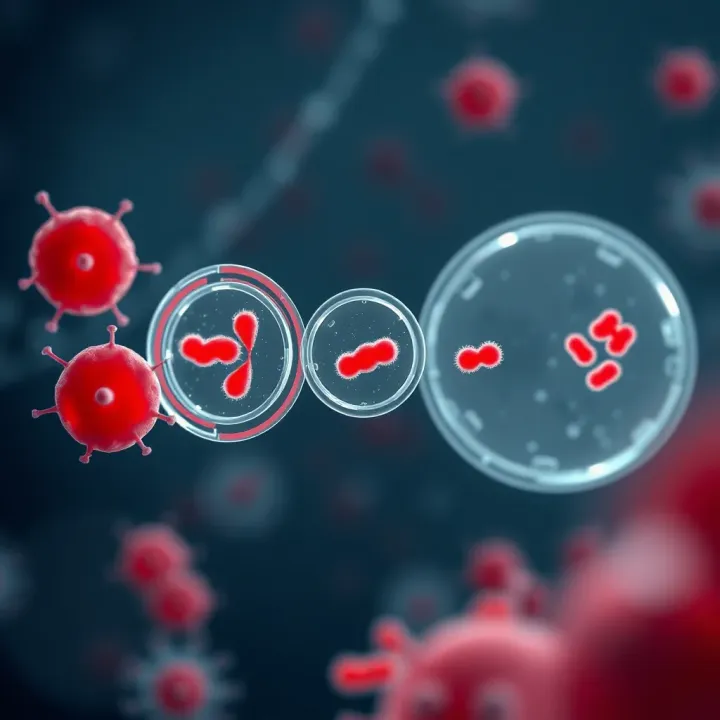
Understanding Binary Fission in Simple Organisms
Explore how binary fission drives growth in prokaryotes, its key steps, variations, and impact on genetics and industry ⚛️🔬👩🔬
Edited By
Oliver Bennett
Binary fission is the primary way many simple organisms, especially bacteria, reproduce. It’s a straightforward asexual process where one cell splits into two identical daughter cells. This method lets prokaryotes multiply quickly in favourable conditions, which is important for their survival and adaptation.
Unlike sexual reproduction, binary fission does not require a partner or genetic exchange, making it faster and less complex. In Pakistan, where agricultural and medical fields often deal with bacterial growth—both beneficial and harmful—understanding this process helps in managing crops, infections, and antibiotic treatments more effectively.
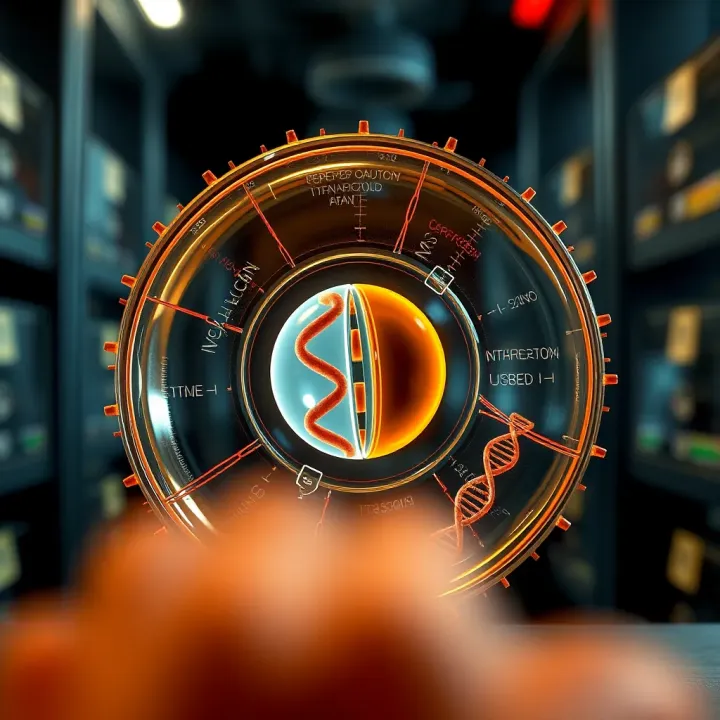
The process begins with DNA replication: the bacterial chromosome duplicates so each new cell has a complete genetic copy. Then, the cell elongates, and a division septum forms in the middle, ultimately splitting the parent into two new cells. Each daughter cell is genetically identical, allowing bacterial populations to expand rapidly. For example, Escherichia coli, a common bacterium responsible for some foodborne illnesses, reproduces through binary fission.
Rapid multiplication through binary fission can lead to sudden outbreaks of infections, making timely medical intervention crucial.
Here are key points about binary fission:
Occurs mainly in prokaryotes like bacteria and archaea
Does not involve fertilisation or genetic recombination
Leads to genetically identical offspring
Enables fast reproduction rates
Understanding binary fission is also important for industries relying on microbial cultures, such as yogurt production and wastewater management, where controlling bacterial growth is vital. While this process may seem simple, its effects ripple through ecosystems, medicine, and agriculture.
Overall, grasping the basics of binary fission gives insight into how microscopic life forms multiply and influence daily life, from health risks to economic activities in Pakistan and beyond.
Binary fission is a fundamental biological process that describes how certain organisms reproduce by splitting into two identical cells. This mode of reproduction is particularly significant for prokaryotes like bacteria, which do not have the complex cell structures found in higher organisms. For traders and investors monitoring biotechnology sectors or agricultural developments in Pakistan, understanding binary fission offers insight into how bacterial populations can surge rapidly, affecting everything from crop health to pharmaceutical production.
Binary fission is an asexual reproduction process where a single parent cell divides into two genetically identical daughter cells. The process begins with the replication of the parent cell’s DNA, ensuring each new cell gets a complete set of genetic instructions. Unlike sexual reproduction, it does not involve fusion of gametes or genetic variation through recombination. For example, Escherichia coli, a common bacterium in the human gut, reproduces through binary fission every 20 minutes under ideal conditions, enabling swift population growth.
Binary fission stands apart from other forms of reproduction both in complexity and outcome. It is faster and simpler than mitosis, which occurs in eukaryotic cells and involves the division of the nucleus before the cell splits. While mitosis also produces identical cells, it requires more steps, such as spindle formation and chromosome alignment, which are absent in binary fission.
In addition, binary fission differs from budding and multiple fission. Budding results in one smaller new organism growing from the parent, common in yeasts, whereas multiple fission involves one cell dividing into many daughter cells simultaneously, such as in some protozoa. Binary fission produces two equal-sized cells, making it a streamlined and efficient replication strategy.
For sectors like agriculture and health, recognising these differences helps anticipate the behaviour of microbial populations and plan interventions accordingly.
Understanding binary fission provides a clear window into how simple organisms multiply and impact broader ecosystems and industries. This clarity is crucial for making informed decisions about microbial management, bio-engineering projects, and disease control in Pakistan’s dynamic market environment.
Understanding the step-by-step process of binary fission is key to appreciating how certain organisms, especially bacteria, multiply so rapidly. This process, simple yet efficient, involves several tightly regulated stages that ensure two genetically identical daughter cells emerge. Knowing these stages not only helps in biology but also aids in fields like medicine and agriculture, where controlling bacterial growth can be crucial.
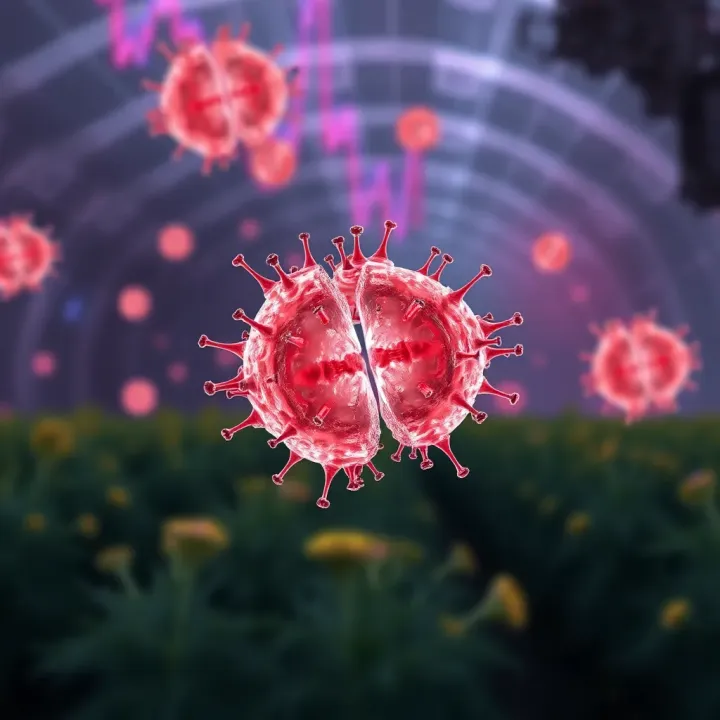
The first step in binary fission is DNA replication. Before a bacterium divides, it must duplicate its genetic material to pass on the complete set of instructions to its offspring. This replication begins at a specific site on the circular DNA known as the origin of replication. The bacterial DNA unwinds, and enzymes work meticulously to create two identical copies. This stage is critical; any errors here can affect the daughter cells' viability.
For instance, Escherichia coli bacteria can complete DNA replication in about 40 minutes under optimal conditions. This rapid preparation allows bacteria to respond quickly to favourable environments, such as nutrient-rich areas in your intestines or contaminated water.
Once DNA replication concludes, the cell begins to grow, increasing in size and preparing to split. The bacterial cell enlarges by producing additional proteins and cell wall material. This growth ensures each daughter cell will have enough cytoplasm and cellular machinery.
Next, the process of division starts. A structure called the septum forms in the middle of the cell, guided by a protein named FtsZ, which acts like a scaffold. This septum gradually constricts the cell membrane and cell wall, effectively splitting the original cell into two halves.
In practical terms, this growth and division phase ensures a steady population increase of bacteria in environments such as soil, water, or the human body. Rapid division can lead to outbreaks of infections if harmful bacteria multiply unchecked.
The final phase of binary fission results in two daughter cells that are genetically identical to the parent. These cells separate entirely, each enclosed by its own cell membrane and cell wall. The process leaves minimal room for genetic variation, making binary fission a straightforward yet highly efficient reproductive method.
This feature becomes relevant when considering antibiotic resistance. Since bacterial populations cloned via binary fission have the same DNA, a mutation conferring drug resistance in one cell can quickly spread as that cell divides.
Binary fission’s straightforward mechanism supports rapid growth but also means bacterial populations can quickly adapt through mutations, affecting treatments and agricultural practices.
In summary, binary fission’s steps—from DNA replication through to cell division—highlight a rapid multiplication process that impacts ecosystems, health, and industry. Understanding each phase provides valuable insights for managing bacterial growth in Pakistan's unique environmental and medical landscape.
Binary fission is a common asexual reproduction process used by various organisms, particularly those where rapid multiplication is essential. Understanding which organisms rely on this method helps clarify its biological significance and practical applications, especially in agriculture and medicine.
Bacteria are the prime examples of organisms that reproduce through binary fission. This process allows them to multiply quickly under favourable conditions, often doubling their population within minutes or hours. For instance, Escherichia coli, a common gut bacterium, can divide every 20 minutes when nutrients are abundant. This rapid growth explains why bacterial infections can escalate so fast, posing challenges for healthcare. On the flip side, this same mechanism benefits industries like biotechnology, where bacteria such as Bacillus subtilis are exploited for producing enzymes and antibiotics economically. Understanding bacteria’s binary fission aids in developing strategies to control harmful strains while harnessing beneficial ones.
While binary fission is typical in prokaryotes, some simple eukaryotes also use this process to reproduce. Single-celled organisms like amoebae divide by binary fission, splitting their nucleus and cytoplasm to create two identical daughter cells. For example, Amoeba proteus undergoes binary fission to expand its population in freshwater habitats. Such eukaryotic cells handle the separation of genetic material more complexly than bacteria, yet the fundamental principle remains the same. This reproduction approach helps maintain their species stability and adapt to environmental conditions swiftly. Knowing this is useful when studying protozoan infections or managing aquatic ecosystems, where shifts in simple eukaryote numbers can impact biodiversity.
Binary fission in both bacteria and simple eukaryotes underscores its efficiency and evolutionary value, influencing fields ranging from medical microbiology to environmental management.
By recognising different organisms that use binary fission, we get a clearer picture of how this straightforward division process supports life and affects human interests. This knowledge equips traders, investors, and analysts with insights on biotechnology sectors, pharmaceuticals, and ecological health, where microbial growth dynamics play a role.
Binary fission plays a fundamental role not only in the biology of simple organisms but also in wider ecological and practical contexts. This process impacts population dynamics, environmental balance, and various fields such as medicine and agriculture. Understanding its importance helps explain why certain bacteria multiply rapidly and how this affects human activities and natural ecosystems.
Binary fission is a primary driver of rapid population growth among prokaryotes like bacteria. Since each division produces two identical daughter cells, exponential reproduction occurs under favourable conditions. This rapid multiplication can lead to sudden spikes in bacterial colonies, which impacts the wider ecosystem. For example, in soil ecosystems, nitrogen-fixing bacteria use binary fission to maintain healthy nitrogen levels, supporting crop growth and ecological balance.
In aquatic environments, bacterial populations can explode following nutrient influxes, affecting oxygen levels and aquatic food chains. This shows how binary fission influences ecological stability. In Pakistan, where irrigation and water management are crucial for agriculture, understanding microbial population shifts caused by binary fission helps in managing water quality and preventing harmful blooms.
Efficient bacterial reproduction via binary fission ensures ecosystem functions, but unchecked growth may disrupt the natural balance.
Binary fission’s speed is both a challenge and an advantage in medicine. Pathogenic bacteria, such as those causing tuberculosis or typhoid, multiply rapidly through this process, making infections harder to control without timely treatment. This explains why early diagnosis and antibiotic use are critical in Pakistani healthcare settings, where infectious diseases remain common.
On the flip side, beneficial bacteria that help in fermentation or digestion also rely on binary fission for their growth. In agriculture, soil microbes reproducing through binary fission enhance soil fertility by decomposing organic matter and promoting nutrient cycling. This naturally boosts crop yields in fields where chemical fertiliser plays a partial role.
Farmers can also harness knowledge of binary fission in biocontrol practices — for example, using bacteria to suppress crop pests without harmful chemicals. However, the rapid spread of antibiotic-resistant bacteria through binary fission is a growing concern, requiring careful management of antibiotic use in both medical and agricultural sectors.
Understanding binary fission’s biological and practical relevance allows better management of microbial populations, whether it’s controlling infections or promoting sustainable farming. For investors, traders, or analysts focusing on biotech and pharmaceutical sectors, knowledge of this process sheds light on product development cycles and regulatory challenges associated with bacterial growth and use.
This section underscores how binary fission shapes microbial life that directly affects ecological health and important industries in Pakistan and beyond.
Understanding how binary fission stacks up against other types of cell division is important for grasping its unique role in biology. Unlike the complex division methods seen in higher organisms, binary fission is a straightforward, rapid way for simple organisms to multiply. This comparison helps highlight not just the biological differences but also the practical implications in areas like medicine and agriculture, where bacterial growth strongly impacts outcomes.
Binary fission is often confused with mitosis, but they are quite distinct processes. Mitosis takes place in eukaryotic cells—like those in plants, animals, and fungi—and involves several stages (prophase, metaphase, anaphase, and telophase) to ensure proper chromosome separation. In contrast, binary fission, which is typical for prokaryotes like bacteria, is much simpler. It involves DNA replication followed by division of the cytoplasm without the complex spindle machinery of mitosis.
The speed of binary fission is one big advantage for bacteria. For example, Escherichia coli can divide roughly every 20 minutes under optimal conditions, allowing rapid population growth. On the other hand, mitotic division in human cells usually takes several hours, reflecting the need for greater accuracy and regulation. This difference also affects how diseases spread or how crops are infected by microbes — the quick multiplication through binary fission can make bacterial infections harder to control.
Binary fission is not the only asexual reproduction method among single-celled organisms. Budding and multiple fission offer alternative ways to produce offspring, each with their own quirks. In budding, like in yeast cells, a new organism grows from a small protrusion on the parent. Unlike binary fission, where the cell splits evenly, budding produces a smaller daughter cell that eventually grows to full size.
Multiple fission is another interesting case, observed in some protozoans and algae. Here, one parent cell divides its nucleus multiple times before splitting into several daughter cells at once, which contrasts with binary fission’s one-to-two division. This method can rapidly increase cell numbers but follows a more complex internal process.
Recognising these key differences helps researchers and industry experts predict growth patterns, tackle bacterial outbreaks effectively, and leverage biological processes for biotechnological applications.
To sum up, binary fission’s simplicity and speed set it apart from mitosis, budding, and multiple fission. Each method suits different organisms’ needs and environments. For investors and analysts keeping an eye on biotech or pharmaceutical sectors in Pakistan, understanding these nuances helps anticipate how microbial behaviour might impact market scenarios or healthcare developments.
Explore how binary fission drives growth in prokaryotes, its key steps, variations, and impact on genetics and industry ⚛️🔬👩🔬
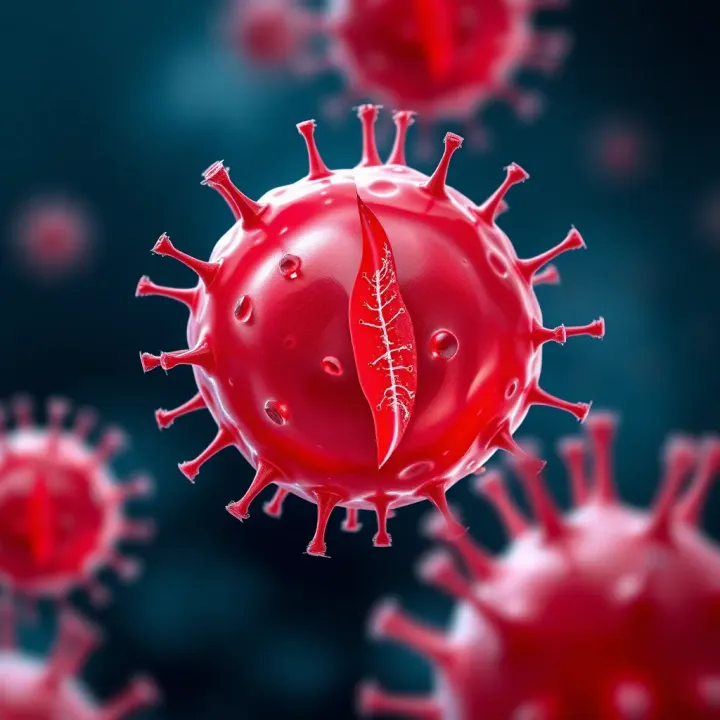
Learn about binary fission 🧬—a key asexual reproduction method in prokaryotes. Understand its steps, role in organisms, and importance in biology and daily life.
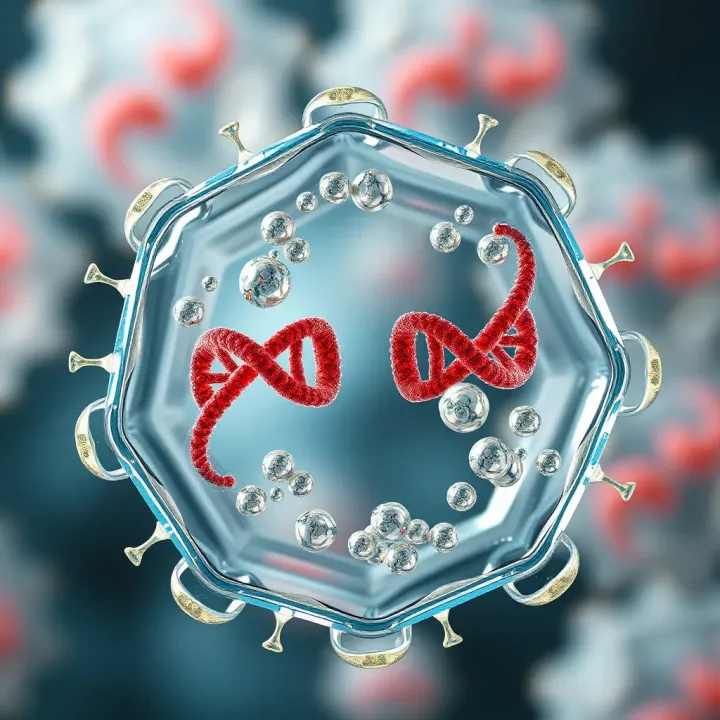
Explore how binary fission works in simple organisms 🧫, with examples and biological importance explained clearly for biology enthusiasts in Pakistan.

Learn the basics of binary numbers, their structure, conversions, and key roles in computing and digital electronics. Essential knowledge for tech enthusiasts! 💻🔢
Based on 8 reviews