

Understanding Bearish Candlestick Patterns
📉 Learn how bearish candlestick patterns can signal market drops and help refine your trading plan with practical tips for better prediction and strategy.
Edited By
Harry Mitchell
Candlestick patterns are a key tool for anyone trading in the stock, forex, or crypto markets. These patterns offer a visual way to interpret price movements, helping traders make smarter decisions based on market sentiment. For many Urdu-speaking traders, however, finding quality resources to understand these patterns in their own language can be a challenge.
This guide focuses on explaining candlestick patterns clearly in Urdu, supported by a practical PDF resource designed to make learning easier. Unlike jargon-heavy technical charts, candlestick charts use simple bars—each representing price activity over a specific time period. These bars consist of a body and wicks (shadows), showing the opening, closing, high, and low prices.
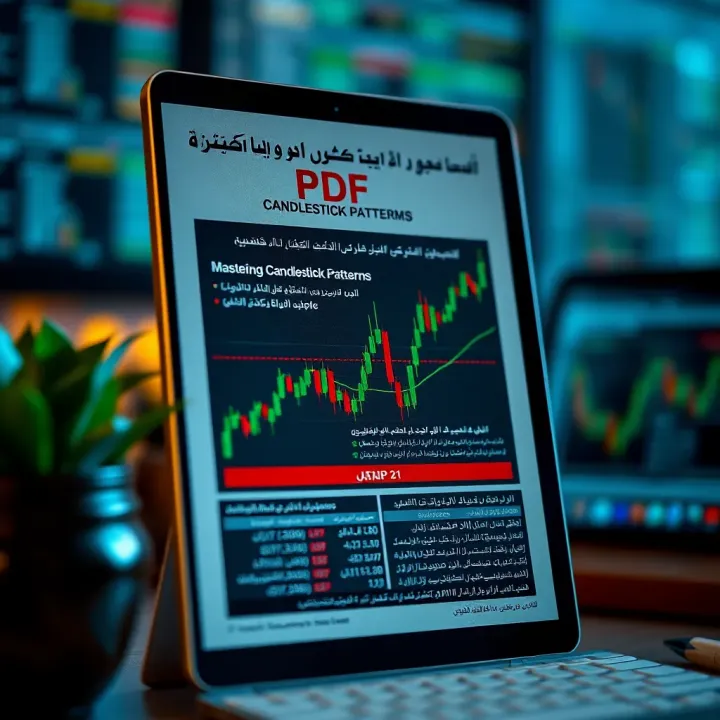
Understanding common patterns is crucial since they often signal potential market reversals or continuations. For example, the Hammer pattern signals a possible bullish reversal after a downtrend, while the Shooting Star might warn traders of a bearish reversal at a price peak. These signals help you enter or exit trades more confidently.
Using the Urdu PDF guide means you can:
Learn patterns like Doji, Engulfing, Morning Star, and Evening Star with explanations in Urdu
Access charts and examples familiar to local markets
Understand how to combine these patterns with other tools like volume or support-resistance levels
Many traders struggle with market noise and false signals. Mastering candlestick reading reduces guesswork and improves trade timing.
This guide is practical, focusing on real trading scenarios. For instance, recognising a Bullish Engulfing pattern on the Pakistan Stock Exchange (PSX) can indicate strong buying interest, backed by high volumes. Similarly, in forex, a Bearish Harami pattern might warn investors about a weakening currency trend.
By learning these patterns in Urdu and applying the PDF guide’s instructions, you get a valuable skillset tailored to your trading style and local market conditions. This approach bridges the gap between raw data and actionable strategies, helping you trade with increased confidence and accuracy.
Candlestick patterns form the backbone of technical analysis for traders and investors, particularly in volatile markets like the Pakistan Stock Exchange (PSX) or foreign exchange. They offer a clear, visual way to understand price action within a specific time frame, helping you spot potential trend reversals or continuations. This introduction lays the groundwork for learning how to read these patterns effectively, which is essential if you want to make informed trading decisions rather than just guessing market moves.
A candlestick represents price movement during a set period—be it one day, an hour, or even a minute. Each candle has a body that shows the opening and closing prices, with wicks (or shadows) extending above and below showing the high and low prices within that period. For example, a candle with a long lower wick and a small body near the top usually indicates buying pressure pushing prices up after a dip.
This structure lets traders quickly see where the market started, where it went, and where it ended, all in one glance. Such visual cues simplify understanding complex market behaviour, especially when combined sequentially in patterns.
Unlike line charts that connect closing prices with a simple line, candlestick charts pack more information by showing highs, lows, opens, and closes in each period. Bar charts also display similar info but are less intuitive since candles use filled or hollow bodies to highlight bullish or bearish sentiment clearly.
For instance, if you're trading forex or stocks on PSX, candlestick charts help you spot subtle shifts in market sentiment faster than line charts, enabling quicker reaction to ongoing trends or reversals.
Candlestick patterns reflect the collective emotions of market participants, such as fear, greed, hesitation, or confidence. A series of candles showing higher closes often reveals bullish sentiment, while a sudden long red candle might expose panic selling.
For example, seeing a "Hammer" pattern might suggest that although sellers pushed prices down, buyers stepped in strongly, signaling a potential trend reversal. Understanding these emotional cues through candlesticks helps you anticipate market moves beyond just numbers.
Candlestick patterns act like a language spoken by the market itself, revealing what buyers and sellers are thinking at different times.
Candlestick patterns have predictive power because they summarize short-term supply and demand forces. Traders use specific formations like "Bullish Engulfing" or "Doji" to make educated guesses about the next price move, which can be vital in markets prone to sudden swings.
While no pattern guarantees certainty, using candlestick analysis alongside other indicators improves your chance of making profitable trades. For example, spotting a "Morning Star" pattern near a support level on PSX might tip you off to buy opportunities.
Mastering these basics is the first step towards confident trading, and using resources in Urdu makes this knowledge more accessible for Pakistani traders aiming to read the markets smartly.
Understanding common candlestick patterns helps traders spot potential market shifts early. These patterns reveal the battle between buyers and sellers and provide clues about upcoming price directions. Mastering these shapes can improve decision making, especially when combined with volume and trend analysis.
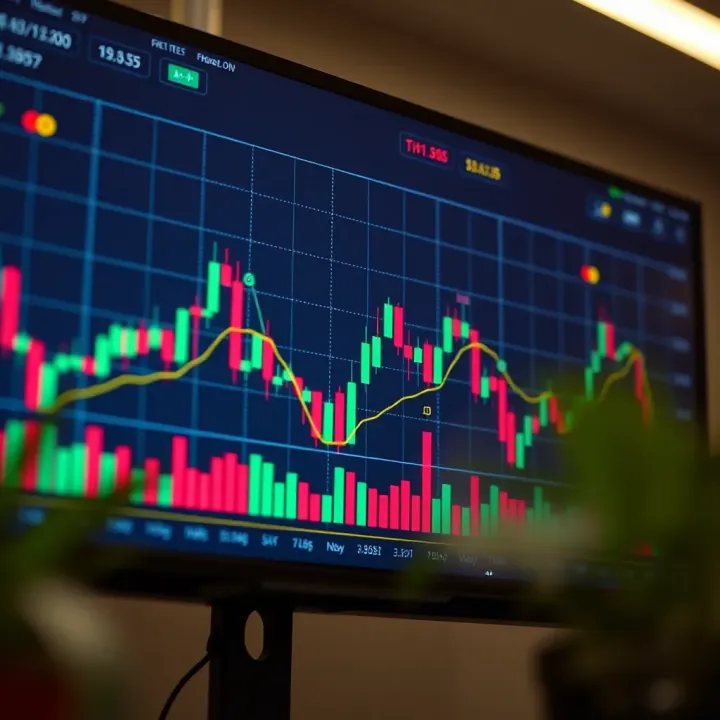
A Doji candle forms when the opening and closing prices are nearly the same, creating a very small or non-existent body. This pattern signals indecision among traders — neither bulls nor bears are in full control. For example, if a Doji appears after a strong upward movement on a PSX stock like Pakistan State Oil, it might warn that the bullish momentum is losing steam.
The practical takeaway is to watch Doji candles as a sign to reconsider your position or prepare for potential reversals. However, Doji alone should not prompt immediate action; confirmation from the next candles or other indicators is important.
Both patterns share a similar look — a small body at the top with a long lower shadow. The Hammer appears after a downtrend and suggests a possible bullish reversal, as buyers pushed prices up strongly from the session’s low. For traders tracking markets like KSE-100 indexes, spotting a hammer on the daily chart might hint at a buying opportunity.
The Hanging Man shows up after an uptrend and warns of possible bearish reversal. Its long lower shadow indicates sellers tried hard to push prices down, but buyers pulled back partway. Local traders should be cautious when a hanging man appears on PSX stocks with high volume.
This pattern looks like an inverted hammer with a long upper shadow and small body near the low end. It emerges after a strong uptrend and indicates that buying pressure faded quickly, hinting at potential weakness. For instance, spotting a shooting star on a popular stock in Pakistan's telecom sector could warn investors to tighten stop-loss orders.
This pattern consists of a small red candle followed by a larger green candle that fully covers the previous one’s body. It signals that buyers have overwhelmed sellers, often marking the end of a downtrend. For traders focusing on PSX stocks, identifying a bullish engulfing can serve as a green flag to enter long positions.
Conversely, a bearish engulfing pattern has a small green candle overtaken by a larger red candle. It shows sellers gaining control and could suggest a market pullback. Pakistani traders should watch for this on daily charts, especially during volatile market conditions, to manage risk better.
These three-candle patterns provide stronger signals than single or double candles. A Morning Star appears after a downtrend and starts with a long bearish candle, followed by a small indecisive body, then a strong bullish candle, signalling upward reversal. Local traders use this pattern on daily PSX charts to confirm changes in momentum.
An Evening Star is the opposite, marking potential downturns. It starts with a big bullish candle, then a small-bodied candle signifying hesitation, and finally a strong bearish candle closing near the lows.
Recognising these patterns requires patience and practice, but once understood, they improve a trader's ability to interpret market sentiment quickly. Using Urdu PDFs and local examples can make these concepts easier for Pakistani traders to grasp and apply confidently.
Using a PDF guide in Urdu to learn candlestick patterns makes the process easier for many traders in Pakistan. This format delivers clear, concise information in their own language, avoiding confusion common with English-only resources. Because trading requires quick understanding of chart signals, having explanations in Urdu helps grasp concepts faster and more firmly.
A PDF guide written in Urdu simplifies complex trading terms and technical jargon. Traders who are not fluent in English find it easier to follow instructions and examples when explained in familiar vocabulary. For instance, terms like "bullish engulfing" or "doji" come with translations or explanations that resonate with local readers, making pattern recognition less intimidating.
This clarity is particularly useful for beginners or part-time traders without access to formal training. The PDF format allows the use of diagrams, annotated charts, and step-by-step guidance tailored in Urdu, so users can learn at their own pace without repeatedly searching for translations or definitions.
One practical advantage of a PDF guide is its portability. Traders can save it on their mobiles, laptops, or tablets and refer to it anytime—whether studying at home or reviewing patterns at a market kiosk. This on-the-go access means learning fits around busy schedules, such as during commutes or breaks at work.
Also, printing a PDF for offline study helps traders who face intermittent internet or loadshedding issues common in many areas. A printed guide can sit alongside charts, letting users cross-check patterns without needing continuous online connection.
Reliable Urdu PDFs often appear on well-known Pakistani trading websites or forums where experienced traders share resources. Platforms focused on PSX trading or Forex in Urdu sometimes offer free downloadable guides prepared by experts familiar with local market conditions.
Forums allow traders to discuss and verify the usefulness of PDFs before downloading. These discussions help weed out less accurate or poorly translated materials, ensuring learners invest time in high-quality content.
Several Pakistani educational platforms now provide Urdu content for trading and investing, including downloadable PDFs. Institutes offering online courses related to stock trading or technical analysis often supplement video lessons with Urdu PDFs for easy reference.
Also, financial magazines and newspapers occasionally release Urdu educational supplements on market topics, which can be saved and studied like PDFs. This variety of sources offers traders options that suit different learning styles and levels.
Having trustworthy, easy-to-understand Urdu PDFs on candlestick patterns makes technical analysis more accessible to Pakistani traders, helping them make well-informed decisions in local and global markets.
Candlestick analysis offers a practical edge for traders operating in Pakistani markets, especially on the Pakistan Stock Exchange (PSX). Understanding common price patterns can guide entry and exit points more effectively than relying solely on fundamentals or news, which often lead to delayed market reactions here. By studying these patterns, traders get a clearer picture of potential price movements amid Pakistan’s unique market behaviours.
Common patterns observed on PSX charts often include familiar formations like bullish engulfing, hammer, and doji candles. For instance, during the usual market swings on PSX, a Hammer pattern frequently signals a possible reversal after a price dip in stocks like OGDC or MCB. Such patterns help traders anticipate short-term adjustments which are common in this market, where sentiment shifts quickly following political developments or external shocks.
Using candlestick analysis for PSX trading allows traders to better time their buys and sells. A trader spotting a Morning Star pattern on PSX shares might consider this a signal to buy, expecting upward momentum soon. Combining this with volume analysis — such as increased trade volumes on days with these patterns — builds confidence in the pattern’s validity. This practical use of candlesticks aligns closely with Pakistan’s often volatile trading atmosphere, where technical signals can be more timely than fundamentals.
Market volatility and pattern reliability pose challenges to using candlestick analysis in Pakistani markets. Sudden political events or announcements on the State Bank of Pakistan’s monetary policy can cause sharp moves that invalidate usual patterns. This volatility means traders should not rely on candlestick patterns as standalone signals but view them within a broader context. For example, a bullish engulfing pattern appearing just before a government statement may be overridden by the news impact.
Combining candlestick patterns with other indicators improves trading decisions amid these challenges. Using Moving Averages, Relative Strength Index (RSI), or support and resistance levels alongside candlestick charts helps confirm signals. For example, spotting a Bullish Engulfing candle near a key support line while RSI is indicating oversold conditions strengthens the case for taking a long position. This multi-tool approach helps overcome false signals common in PSX's erratic environment.
Successful trading on Pakistani markets requires more than recognition of candlestick patterns. Integrating them with volume, broader market indicators, and understanding local dynamics makes technical analysis a useful tool for more confident trading decisions.
This focus on application helps traders move beyond theory to practical use of candlestick analysis within the unique context of Pakistani markets.
Mastery of candlestick patterns demands more than just theory; active, practical involvement is crucial. Using Urdu resources makes this journey smoother for local traders, as complex concepts become easier to grasp in their native language. This section breaks down concrete steps to develop your skills, focusing on practical tools and community support.
Using online charting tools in Urdu allows traders to interact with real-time market data while understanding the interface in familiar language. Platforms like TradingView and local Pakistani brokers increasingly offer Urdu interfaces or Urdu-supporting tutorials, which help reduce confusion especially for novice traders. This direct engagement with charts trains your eyes to identify common candlestick formations like Doji, Hammer, or Engulfing patterns on actual price movements rather than just theory.
Real examples include tracking Pakistan Stock Exchange (PSX) daily charts or the forex rates of USD/PKR, where daily candlestick formations can provide profitable entry or exit points. Without practising on live charts, even the best PDF guides remain abstract.
Tracking and recording trades based on patterns is another critical habit. Keeping a trading journal in Urdu, noting down when a specific candlestick pattern appeared, your action, and the result, builds experience over time. For example, if a Bullish Engulfing pattern led to a profitable trade on MCB shares, writing down the exact date, price points, and market context cements the learning.
This record not only sharpens your pattern recognition but also highlights which setups work best in the local market context. Consistent journaling uncovers your strengths and weaknesses faster than just reading.
Benefits of peer discussions and shared experiences in Urdu-language groups are invaluable. These communities on platforms like Facebook, WhatsApp, or Telegram connect traders from Karachi to Peshawar who share chart screenshots, ask questions, and discuss candlestick signals within the context of Pakistani markets.
This back-and-forth teaches you nuances that textbooks can’t cover. For instance, a trader might share how certain candlestick patterns behave unexpectedly on PSX due to local factors like political events or earnings announcements.
Access to expert guidance and webinars in Urdu offers direct opportunities to learn from seasoned professionals. Many local experts hold live sessions or record webinars explaining complex candlestick concepts using Urdu terminology, making it easier to ask questions and understand explanations.
Such guidance keeps you updated on market changes and practical trading tips, which is notably helpful in a dynamic environment like Pakistan’s capital markets where patterns might shift with prevailing economic conditions or news flow.
Regular practice combined with community support in your native language fast-tracks your understanding and builds confidence in using candlestick patterns effectively for trading.
By focusing on these practical steps—using Urdu charts, journaling trades, joining communities, and attending expert sessions—traders can transform passive knowledge into active, profitable skills.
📉 Learn how bearish candlestick patterns can signal market drops and help refine your trading plan with practical tips for better prediction and strategy.

📈 Master key candlestick patterns for trading success! Learn how single, double & multiple setups reveal market moves and boost your buying & selling skills.

📈 Dive into advanced candlestick patterns! Master key formations and sharpen your trading strategies in Pakistan to better predict market trends. 💹

Master 35 key candlestick patterns 📉📈 for smarter trading! Learn to spot trends, make better decisions, and grab a handy PDF guide for quick reference.
Based on 6 reviews