
Best Crypto Trading Platforms in Pakistan
Discover how to pick the right crypto trading platform in Pakistan 🇵🇰. Learn about security 🔒, fees 💰, cryptocurrencies 💹, and easy local payments 🏦 for smart trading decisions.
Edited By
Sophie Reynolds
Crypto trading platforms are digital marketplaces where you can buy, sell, and exchange cryptocurrencies like Bitcoin, Ethereum, and others. In Pakistan, these platforms have gained popularity due to the increasing interest in digital assets amid economic uncertainty and currency fluctuations.
Understanding how these platforms work is essential if you're planning to invest or trade. Most crypto trading platforms function as intermediaries, matching buyers and sellers instantly. They offer real-time price tracking, order books, and advanced tools for technical analysis, which are crucial for informed trading decisions.
When choosing a crypto platform in Pakistan, there are a few key features you should look for:
User Interface (UI): A simple and intuitive design helps traders execute orders without confusion.
Liquidity: Higher liquidity means faster transactions and smaller price differences.
Supported Cryptocurrencies: Access to a variety of coins lets you diversify your portfolio.
Payment Options: Support for local payment methods such as bank transfers and mobile wallets like JazzCash or Easypaisa enhances convenience.
Security remains a major concern in the crypto world. Reliable platforms use two-factor authentication (2FA), cold storage for digital assets, and regular security audits to protect user funds. Given the rise of scams, verify if the platform has a strong reputation within Pakistan's crypto community and adheres to international security standards.
Always remember, no legitimate platform will promise guaranteed profits or offer deals that seem too good to be true. Stay cautious and do your own research.
Legally, Pakistan’s stance on cryptocurrencies remains cautious. The State Bank of Pakistan (SBP) has not granted a legal framework for crypto as an official payment method, and trading crypto as an asset is in a grey area. However, many Pakistanis still participate via overseas platforms or peer-to-peer networks. Understanding this legal environment is vital as it affects your rights and the safety of your investments.
Popular platforms among Pakistani users include Binance, Coinbase, and local peer-to-peer options. Each has its own pros and cons related to fees, ease of access, and compliance with regional regulations.
By paying attention to these aspects, Pakistani traders can make better choices and improve their chances of success in crypto trading.
A crypto trading platform acts as a digital marketplace where people can buy, sell, or exchange cryptocurrencies like Bitcoin, Ethereum, or newer coins. In Pakistan, these platforms bridge ordinary users with global crypto markets, enabling transactions using Pakistani Rupees (PKR) or other currencies. Familiarity with what these platforms do helps traders and investors avoid confusion, make informed choices, and navigate the volatile world of digital assets with more confidence.
Digital currencies, unlike traditional money, exist only in electronic form. These currencies operate on blockchain technology, which ensures transparency and security without the need for a central bank. For example, Bitcoin transactions happen peer-to-peer, making it harder for governments or banks to control or freeze funds.
In Pakistan, interest in cryptocurrencies has grown due to the convenience of digital payments and desire for alternative investments amid economic fluctuations. Digital wallets and platforms like Binance and LocalBitcoins allow users to send and receive cryptos instantly, often cutting down the time and costs associated with traditional money transfer systems.
Trading cryptocurrency involves frequent buying and selling, aiming to profit from short-term price changes. Traders keep a close eye on market charts, reacting quickly to price shifts often within hours or days. A trader might sell some Bitcoin when the price hits a peak and buy again when it dips, capitalising on volatility.
Investing, on the other hand, usually means holding cryptocurrencies for longer periods, anticipating value growth over months or years. For instance, someone who bought Bitcoin in 2015 and held it until today followed an investing approach, ignoring short-term ups and downs.
Crypto trading platforms connect buyers and sellers seamlessly. Think of these platforms as virtual bazaars where offers to buy and sell digital coins match through an automated system called an order book. When a seller lists Bitcoin at Rs 4 million and a buyer agrees, the platform completes the deal instantly.
In Pakistan's context, this connection allows people from various cities, even small towns, to participate in crypto markets without having to meet physically. Peer-to-peer options like LocalBitcoins are especially popular because they link Pakistani users directly, often with face-to-face verification to build trust.
Platforms supply traders with essential data like live price charts, order histories, and market depth to inform decisions. Advanced tools, including technical indicators (like RSI or moving averages), help users anticipate when prices might rise or fall.
For example, Binance’s platform offers such analytics on its app and website, helping Pakistani traders plan entries and exits more wisely. Keeping an eye on market data reduces guesswork and aids in managing risks, especially amid crypto's notorious swings.
Understanding these functions highlights why choosing the right crypto trading platform matters—it ensures better access, greater safety, and useful information in the fast-moving crypto world.
Selecting the right crypto trading platform in Pakistan involves evaluating certain key features that directly impact your trading efficiency and security. These features are not just technical specifications but practical elements that shape your daily trading experience. Whether you are a seasoned trader or an investor just stepping into the crypto world, understanding these aspects will help you decide which platform fits your needs best.
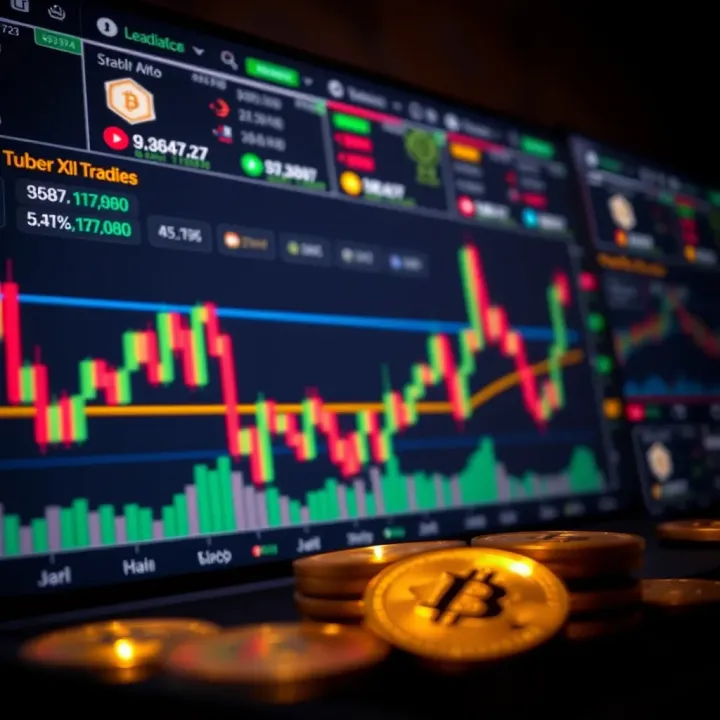
Ease of navigation plays a vital role in how quickly you can place trades or access important market data. A cluttered or complex layout slows down decision-making, especially in volatile markets. For instance, platforms like Binance and Coinbase offer clean dashboards where charts, order books, and trade history are intuitively arranged. This ease means you can react quickly to market changes without hunting for the right buttons or data.
Mobile and desktop apps offer flexibility in managing your crypto portfolio on the go or from a dedicated workstation. In Pakistan, where internet connectivity may fluctuate between locations, having a reliable mobile app that functions well even on lower bandwidth can be a game changer. Desktop apps, on the other hand, often provide more detailed analysis tools and faster trade execution. Platforms combining both give traders the freedom to choose their preferred mode depending on their situation.
The variety of coins offered matters greatly if you're looking to diversify beyond mainstream options like Bitcoin or Ethereum. Some Pakistani traders like to explore localised tokens or smaller altcoins, so platforms supporting a wide range – such as UrduBit or Binance – give broader scope. The availability of niche coins can open new profit avenues but also demands the platform maintain robust liquidity.
Availability of PKR trading pairs is particularly relevant for Pakistani users aiming to avoid currency exchange hassles. Platforms offering direct PKR pairs let you trade crypto against your local currency without converting via USD or stablecoins first, saving time and reducing fees. For example, UrduBit supports PKR pairs which simplifies trading and withdrawal processes for many users.
Trading commissions affect your overall profitability since frequent traders might incur substantial costs over time. Some platforms charge a flat fee per trade, while others impose a percentage based on trade volume. Lower commissions are obviously attractive, but it’s worth considering how those fees come with trade execution speed and platform reliability.
Deposit and withdrawal fees impact your ability to move funds in and out without excessive cost. Pakistani traders often rely on bank transfers, JazzCash, or Easypaisa for deposits and withdrawals. Platforms charging high withdrawal fees or complicated processes can hinder your access to funds, especially during urgent market moves. So, choose platforms with transparent and reasonable fee structures to avoid unwanted surprises.
Choosing the right crypto platform means balancing user-friendly features with practical cost considerations tailored to your specific trading style and local context. Paying attention to these key features can save you time, money, and frustration in the long run.
Security stands at the heart of crypto trading platforms, especially in Pakistan where awareness about online threats varies widely. Protecting user accounts and safeguarding funds from cyberattacks or thefts should be the top priority for any platform you consider. Robust security measures prevent unauthorized access and give traders confidence to operate in the volatile cryptocurrency market.
Two-factor authentication (2FA) adds an important layer of security beyond just a password. When you use 2FA, logging in requires not only your password but also a second verification step, usually a code sent to your mobile or generated by an authenticator app. This makes it far harder for hackers to sneak into your account even if they get hold of your password. For example, a Pakistani trader using Binance will often enable 2FA to secure their holdings, reducing the risk of losing funds to phishing attacks.
Strong password policies go hand in hand with 2FA. Platforms should encourage users to create complex passwords combining letters, numbers, and symbols. In practice, this means avoiding easy options like "123456" or simple words in Urdu or English. Many platforms enforce password changes after set periods and prevent password reuse. Setting a unique, strong password is essential since many account breaches stem from recycled or weak credentials.
Cold storage wallets keep the majority of users’ cryptocurrencies offline, far from internet access. This limits exposure to hacking attempts since offline wallets cannot be accessed digitally. Major exchanges like Coinbase store more than 90% of users' coins in cold wallets. For Pakistani users dealing with platforms like UrduBit, understanding whether your crypto is held in cold storage can impact how securely your funds remain protected.
Encryption and SSL protocols secure communication between your device and the platform's servers. SSL (Secure Sockets Layer) ensures data sent over the internet is encrypted, preventing hackers from intercepting sensitive information like passwords or transaction details. Practically, you should always check for a website’s HTTPS status before entering login data or making transactions. Reliable platforms in Pakistan use up-to-date encryption standards to protect your data during trading and withdrawals.
Encryption and multi-factor authentication are not mere technical jargon; they form the backbone of trust between traders and platforms, particularly where large sums like Rs 10 lakh or more are at stake.
Together, these security measures form the crucial safety net that every Pakistani crypto trader should expect from their platform. Prioritising platforms with strong protections helps you trade without fear of malicious attacks or losing assets unexpectedly.
For anyone interested in crypto trading in Pakistan, knowing which platforms to trust and use is essential. Popular trading platforms not only provide access to various cryptocurrencies but also offer tools, liquidity, and user experience that can make a significant difference. While international platforms have advantages like high trading volumes and advanced features, local and regional options often cater to specific needs of Pakistani traders, including PKR transactions and regional support.
Binance remains one of the largest crypto exchanges globally and is accessible to Pakistani users. It offers a wide range of cryptocurrencies, including Bitcoin, Ethereum, and many altcoins. One practical advantage of Binance is its support for PKR deposits and withdrawals, which allows for smoother transactions without needing complicated currency exchanges. Furthermore, Binance provides advanced trading tools such as futures, spot trading, and detailed chart analysis beneficial for experienced traders.
Another plus of Binance is its relatively low trading fees, which typically hover around 0.1%, making it economical for high-volume traders. Pakistani users can also benefit from Binance's mobile app, which is quite popular for on-the-go trading despite occasional episodes of regulatory scrutiny in some countries. Still, Binance's customer support and educational resources help newcomers understand the volatile crypto market better.
Coinbase, although a leading exchange in countries like the US and Europe, has a more limited presence in Pakistan. It doesn’t offer direct PKR transactions, but it is known for its stringent security and ease of use. For traders looking to make initial investments in more established cryptocurrencies safely, Coinbase is a trustworthy platform with insured custodial wallets.
The main drawback for Pakistani traders is higher fees compared to Binance and limited options for depositing PKR directly. Still, if you mainly plan to invest and hold rather than trade frequently, Coinbase’s user-friendly interface and strict compliance standards offer peace of mind. This platform is also a reliable gateway for those who want to move funds internationally before accessing other exchanges.
UrduBit is emerging as one of Pakistan’s trusted local crypto trading platforms. Tailored for Pakistani users, UrduBit allows trading between PKR and major cryptocurrencies, thus eliminating conversion hassles. It offers straightforward account verification through CNIC (Computerised National Identity Card) processes, a much-needed feature given the country’s regulatory environment.
One notable benefit of UrduBit is its local customer service and understanding of the Pakistani financial system, including banking and money transfer challenges. While not as feature-rich as international giants like Binance, it covers the basics well and suits beginner to mid-level traders looking to start trading cryptocurrencies with less friction.
LocalBitcoins operates as a peer-to-peer (P2P) platform, connecting buyers and sellers directly without a centralised order book. This model suits Pakistani users cautious about depositing funds on large platforms. On LocalBitcoins, users can negotiate prices, select payment methods (including bank transfers or mobile wallets like JazzCash and Easypaisa), and conduct trades securely under escrow protection.
The P2P approach helps overcome restrictions on crypto trading, especially during uncertain regulatory phases. However, it requires more vigilance to avoid scams, so users must check trader reviews and exercise caution. For someone who prefers personal negotiation or is starting with small amounts, LocalBitcoins offers flexibility and localised payment options unavailable on many international exchanges.
Choosing the right platform depends on your trading style, comfort with technology, and regulatory considerations. Balancing features, security, and ease of use will make your crypto trading experience safer and more efficient in Pakistan.
Understanding the legal and regulatory framework around cryptocurrencies is essential for anyone trading in Pakistan. These rules affect how you buy, sell, and declare crypto assets. Without a clear grasp, you risk falling foul of laws or losing money through scams or penalties.
The State Bank of Pakistan (SBP), the country’s central bank, has taken a cautious stance on cryptocurrencies. SBP has not authorised crypto as legal tender, which means it does not recognise cryptocurrencies like Bitcoin or Ethereum as official money. This position affects how banks and financial institutions handle crypto transactions, often limiting direct access to crypto funds through traditional banking channels.
Practically, this means Pakistani traders usually must rely on peer-to-peer platforms or international exchanges that accept Pakistani users. The SBP warnings also serve to remind traders to be careful of volatility and scams, as the crypto market remains largely unregulated locally. This environment creates challenges but also opportunities for savvy traders who understand the risks.
Regarding taxation, the Federal Board of Revenue (FBR) has started showing interest in taxing crypto gains. Profits from trading cryptocurrencies may be subject to income tax or capital gains tax, and traders are generally expected to declare these earnings in their annual tax returns. Although specific guidelines are still evolving, non-compliance with tax duties could invite penalties or fines.
For instance, if a trader sells Bitcoin after significant price appreciation, the profit likely counts as taxable income. Keeping accurate records of transactions, dates, and prices becomes important to avoid complications during tax assessment. Traders should consult a tax professional familiar with crypto taxation in Pakistan, as rules are still being defined.
One of the key requirements imposed by Pakistani regulators is identity verification through Computerised National Identity Card (CNIC) checks. Most platforms serving Pakistani users enforce CNIC verification to comply with anti-money laundering (AML) and know-your-customer (KYC) policies.
This process usually involves submitting a valid CNIC and sometimes a selfie for facial verification. It’s crucial because it adds a layer of accountability and helps prevent illegal activities like money laundering or terror financing. However, traders should only provide this information on reputable platforms with strong privacy policies to avoid data misuse.
Avoiding scams and fraud is essential for crypto participants in Pakistan. Cryptocurrency’s lack of regulation locally increases the chances of fraudulent schemes, fake ICOs (initial coin offerings), and phishing attacks. Many scams promise high returns quickly but end up trapping investors.
To protect yourself, follow these practical tips:
Use well-known, trusted exchanges with solid reputations
Double-check URLs and beware of phishing emails or messages
Never share private keys or passwords
Avoid offers that sound too good to be true
Always remember, safely trading crypto means verifying sources and exercising caution with your assets.
In short, Pakistani crypto traders must navigate a complex but manageable legal landscape, armed with knowledge and vigilance. Staying informed about SBP announcements, FBR tax developments, and KYC requirements will help you stay compliant and protect your investments effectively.
Trading cryptocurrency comes with high volatility, making safety measures and effective strategies essential for Pakistani traders. By managing risk and staying informed, you can protect your investment and make better decisions amid the market’s ups and downs.
Setting stop-loss limits helps limit potential losses by automatically selling an asset once it reaches a predetermined price. For instance, if you buy Bitcoin at Rs 3 million, you may set a stop-loss order at Rs 2.7 million to sell if the price drops too much. This helps avoid emotional decisions during sudden market swings and keeps losses manageable.
Diversifying assets means spreading investments across different cryptocurrencies or other asset classes to reduce risk. Instead of putting your entire fund into one coin like Ethereum, you might allocate parts into Litecoin, Bitcoin, or even gold-backed tokens. This approach helps balance volatility since not all assets react similarly to market changes.
Following news channels specializing in crypto and finance can keep you alert to developments affecting the Pakistani market and global trends. Reliable sources like financial news portals and crypto-focused YouTube channels provide timely updates on government policies, major price movements, or regulatory changes. Staying informed helps you anticipate shifts and adjust your strategies promptly.
Using market analysis tools such as TradingView or CoinMarketCap gives traders concrete data like price charts, volume, and technical indicators. These tools assist in studying trends, identifying entry or exit points, and making data-backed decisions. For example, a trader using Moving Average Convergence Divergence (MACD) signals can better time buys and sells rather than relying on guesswork.
Careful risk management coupled with market awareness forms the backbone of successful crypto trading, especially in a volatile environment like Pakistan’s.
In short, controlling risk through stop-loss orders, diversifying your portfolio, keeping track of trustworthy news, and leveraging analytical tools can improve your chances of steady profits while avoiding costly mistakes.
Discover how to pick the right crypto trading platform in Pakistan 🇵🇰. Learn about security 🔒, fees 💰, cryptocurrencies 💹, and easy local payments 🏦 for smart trading decisions.
Looking to trade crypto in Pakistan? 🇵🇰 Discover top platforms, check fees, security tips & ease of use to find your perfect match for smooth trading! 💹
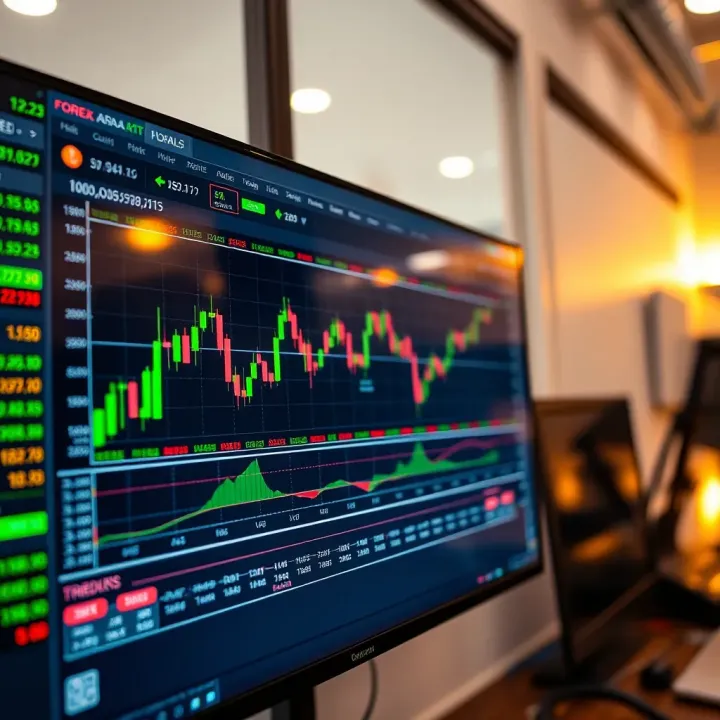
Find the ideal forex trading platforms in Pakistan with our detailed guide on usability, fees, regulation, and features. Start trading smart with 📈💰 today!

Find the best crypto trading app 🇵🇰 for Pakistan traders! Explore features, fees, security 🔒 & user experience to match your trading style perfectly.
Based on 9 reviews