
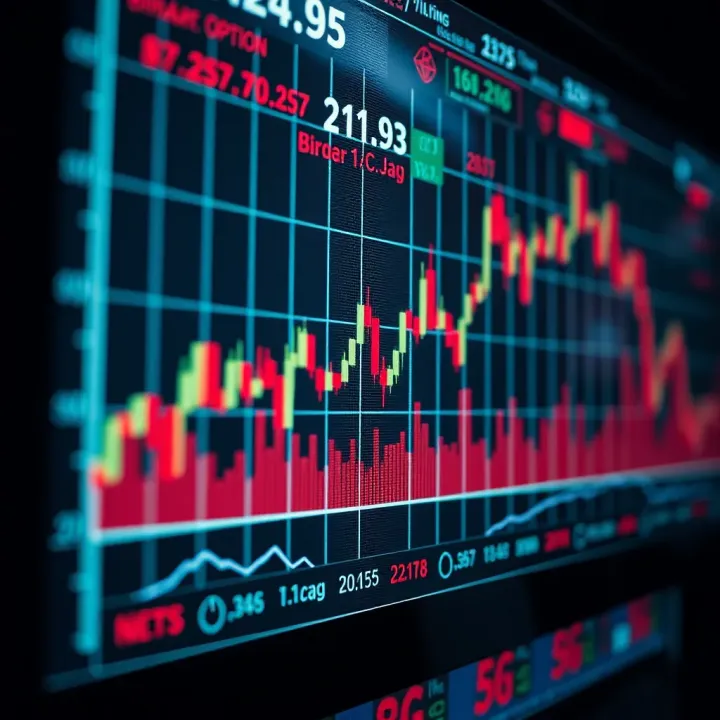
Understanding Binary Quotes in Trading
Discover how binary quotes work in financial markets 📈, their role in trading, risks, platforms, and tips – everything Pakistan traders need to know!
Edited By
Sophie Hudson
Gold trading rates in Pakistan are influenced by a mix of local and international factors. Prices tend to fluctuate daily, reflecting changes in global market rates, Pakistani demand, and domestic economic conditions. Traders and investors keeping an eye on these rates can make smarter decisions when buying or selling gold.
The base price of gold in Pakistan largely depends on the international spot price, which is set in major markets like London and New York. This price serves as a benchmark, but local rates often include premiums based on currency value and demand. For example, when the Pakistani rupee weakens against the US dollar, gold prices in rupees usually rise even if the international price remains steady.
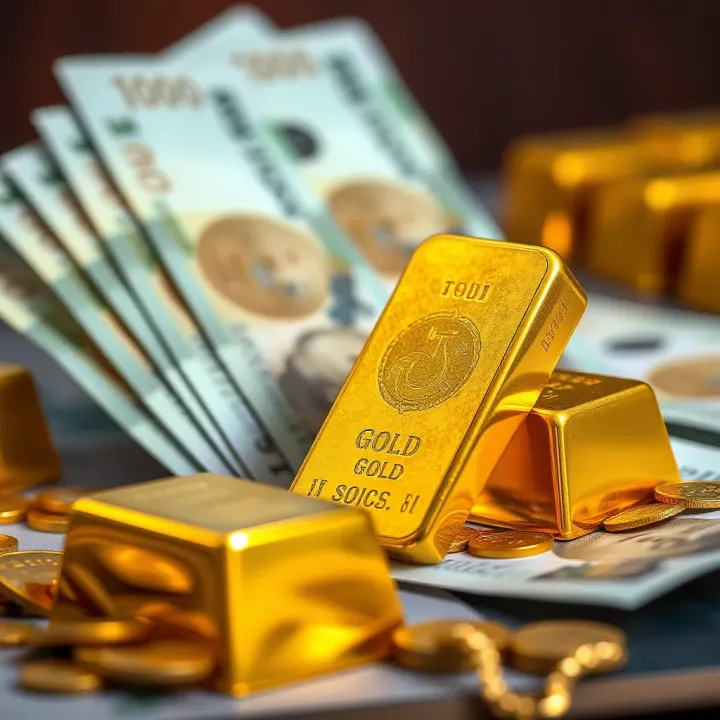
Locally, gold rates react to factors such as import duties, government policies, and seasonal market trends. During Eid or wedding seasons, increased buying can push prices higher. On the other hand, during periods of economic uncertainty or fluctuating stock markets, people often turn to gold as a safe haven, which can also drive the price up.
Another key influencer is the Pakistan Stock Exchange (PSX), where companies dealing in precious metals or gold-backed securities trade. Though not a direct determinant of spot gold rates, movements in PSX and related financial products can reflect or affect market sentiment about gold investment.
Keeping track of global gold rates, exchange rates, and local demand cycles helps investors protect their capital and spot profitable trading opportunities.
Understanding these variables is essential for anyone involved in gold trading in Pakistan. Knowing when to buy or sell depends on analysing international price trends alongside local market dynamics. For instance, if the International Gold Council publishes bullish forecasts or if the rupee weakens sharply, those signs might indicate a good opportunity to invest.
In summary, gold trading rates in Pakistan are not just numbers fluctuating randomly; they reflect a complex interplay of global markets and local economic realities. Staying informed and understanding these influences will empower traders and investors to make calculated moves rather than rely on guesswork.
Understanding what drives gold trading rates in Pakistan is key for investors and traders to make informed decisions. Several factors both local and global influence these rates daily, affecting when and how you might buy or sell gold.
Demand and supply dynamics shape gold prices prominently. During festivals like Eid or weddings season, demand for gold jewellery spikes, often pushing prices up locally. Conversely, if the gold supply increases through imports or local sales, prices tend to stabilise or drop slightly. For example, last Ramazan, demand surged, leading to a rise of a few hundred rupees per tola, reflecting how consumer behaviour impacts prices.
Currency exchange rate impact is another critical factor. Since gold is mostly imported and priced globally in US dollars, the Pakistani Rupee's value against the dollar directly affects local gold rates. When the PKR weakens, it costs more rupees to buy the same quantity of gold, pushing domestic rates higher. A PKR dip of 5% can translate into a similar increase in gold prices, making currency fluctuations a regular concern for traders.
Import duties and taxes add to the final cost of gold in Pakistan. Customs duties and additional taxes imposed by the government raise the landed price. For instance, if import duties increase from 2% to 4%, this extra cost is passed on to buyers, causing local price increments. Traders keeping an eye on government notifications about taxation can adjust their trading strategies accordingly.
International bullion prices establish the baseline for local gold costs. The London Bullion Market and New York Commodity Exchange are key references determining global gold rates per ounce. If international prices soar due to increased global demand or investment trends, Pakistan’s gold market follows suit. For example, a rise in international gold prices by $10 per ounce often results in an equivalent local increase after currency conversion.
US dollar movement closely ties with gold prices worldwide. Since gold is priced in dollars, a stronger US dollar usually makes gold more expensive in other currencies, sometimes dampening demand. In Pakistan, if the dollar strengthens but the rupee weakens even more, the compounded effect increases gold prices sharply. Traders watching forex trends can anticipate such movements to time their trades better.
Geopolitical events and market uncertainty often trigger safe-haven buying of gold, affecting prices globally and locally. Tensions in the Middle East, US-China trade disputes, or Brexit developments create uncertainty that pushes investors towards gold as a stable asset. For instance, during the 2022 global energy crisis, gold prices saw a sharp rise, which reflected quickly in Pakistan. Understanding how these worldwide issues influence local rates helps traders protect their investments during volatile periods.
Keeping track of both local market conditions and international influences enables smarter gold trading decisions in Pakistan. This insight helps you predict price shifts and strategise accordingly for buying or selling gold at the right time.
Key local factors: demand, supply, PKR exchange rate, import duties
Key global factors: bullion prices, US dollar strength, geopolitical events
Knowing these drivers equips investors and traders with practical knowledge to navigate Pakistan's gold market effectively, capitalising on price movements while managing risks.
Gold rates in Pakistan are subject to constant change, reflecting local demand, international market shifts, and currency fluctuations. Knowing how these rates are quoted and updated helps traders, investors, and financial analysts make informed decisions to buy or sell at the right time. It also clarifies potential discrepancies between reported prices and actual market rates.
Karachi serves as the main hub for gold trading in Pakistan, where prices are often fixed daily based on various influencing factors. The gold rate fixing bodies in Karachi, including trade associations like the All Pakistan Sarafa and Jewellers Association, play a key role in determining the official daily gold rates. They analyse global gold prices, currency rates, and local market conditions before announcing rates that set a benchmark for the rest of the country.
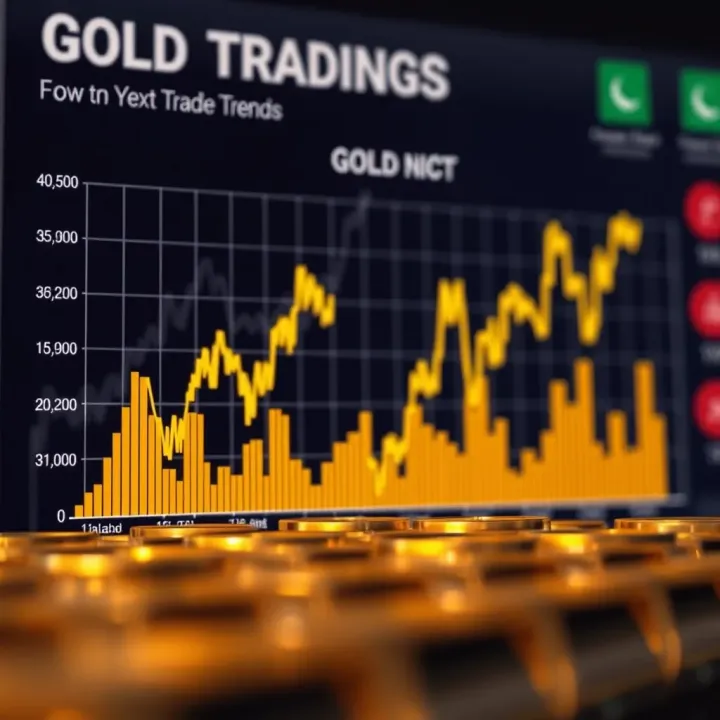
These official rates offer a reference point but may not exactly match every dealer's price since individual costs and margins vary across regions.
Another important aspect is the difference between retail and wholesale rates. Wholesale gold rates apply to bulk dealers who trade larger quantities, often enjoying lower prices due to higher volume. On the other hand, retail rates are what consumers see when buying smaller amounts from jewellers or gold shops. These retail rates include additional charges such as making fees and profit margins, making them slightly higher than wholesale prices. Understanding this gap helps investors avoid overpaying.
In recent years, numerous websites and mobile apps have emerged to provide real-time gold rate updates in Pakistan. Platforms like GoldPricePakistan, PakJewellers, and apps associated with banks or financial services offer convenience for traders to monitor prices on the go. These digital resources aggregate data from Karachi’s official rates, international bullion prices, and currency fluctuations.
Regularly consulting these platforms helps investors react quickly to market changes, especially when gold prices are volatile.
However, the reliability of real-time price information varies, as delays or errors can occur depending on the data source. Some apps may reflect wholesale prices but omit local premiums or taxes, leading to slight mismatches with actual buying rates at neighbourhood shops. Hence, combining online information with direct dealer inquiries remains the best approach for accuracy, especially for substantial transactions.
By appreciating how gold rates are quoted and updated in Karachi, alongside leveraging trusted online tools, traders and investors across Pakistan can navigate the gold market with greater confidence and precision.
Buying and selling gold with a good understanding of the market can save you from unnecessary losses and help you secure better returns. In Pakistan, where gold trading is influenced by both local and global factors, having practical strategies is essential. Knowing when to trade and how to verify gold’s quality ensures you get value for your money.
Gold demand usually surges around festivals like Eid or weddings, pushing prices up. For example, during the months leading up to Eid-ul-Fitr or the wedding season in winter, jewellery shops report a sharp rise in sales. If you plan to buy gold, timing your purchase before these periods can result in better prices. Conversely, jewellery sellers may find selling after these peak times more feasible as demand dips.
Gold prices fluctuate daily due to currency shifts and international market conditions. Traders should watch the rupee’s value against the US dollar because a weakening rupee often drives gold prices higher. Keeping an eye on geopolitical tensions or global economic reports can also help predict short-term price movements. For instance, during times of political uncertainty in Pakistan or abroad, gold often acts as a safe asset, causing price spikes. In such cases, patience might reward sellers, while buyers should be cautious.
Gold purity is measured in karats, with 24 karat being pure gold. Jewellery in Pakistan often comes in 18k or 22k because pure gold is too soft for everyday wear. Buyers should check the karat mark stamped on any gold item before purchasing. A 22k marking means the gold content is approximately 91.6%. Lower karat marks indicate other metals mixed in, which affects weight and price. Understanding these markings helps avoid overpaying for items that aren’t pure gold.
Buying gold from certified dealers reduces the risk of fraud. Such dealers provide an assay certificate, verifying purity through authorised testing laboratories. For example, the Karachi Chamber of Commerce and Industry (KCCI) accredits several trustworthy dealers. Always request assay papers or official receipts before completing a transaction. This practice not only confirms authenticity but also helps when reselling gold or reporting for tax purposes.
Always buy and sell gold with verified documentation and keep track of market timing to maximise your investment value.
By following these practical tips, traders and investors in Pakistan can make more informed decisions, ensuring they pay fair prices and avoid common pitfalls in the gold market.
Gold prices in Pakistan are closely linked to global markets, making it essential for traders and investors to compare local rates with international benchmarks. This comparison provides deeper insights into price fluctuations caused by external factors. It also helps anticipate future movements by observing trends in major exchanges. For instance, a sudden rise in London gold prices often signals a forthcoming increase in Karachi’s rates, giving traders a chance to plan their moves.
The London Bullion Market Association (LBMA) sets the global standard for gold pricing. London acts as the primary hub where gold is traded in large quantities between banks, refineries, and bullion dealers. The LBMA publishes daily gold fixings twice a day, known as the "London Fix", which serve as key reference rates worldwide.
For Pakistani traders, the London market price is a key indicator because Pakistan imports most of its gold. The LBMA rate serves as a benchmark, influencing local wholesale gold prices before adding customs duties and conversion costs. For example, during global economic uncertainty, the London gold price tends to climb due to safe-haven demand, which directly affects local prices.
The New York Mercantile Exchange (NYMEX), especially its COMEX division, is another significant player in global gold trading. COMEX deals mainly in futures contracts, allowing investors to speculate on gold prices months ahead. The prices at COMEX reflect market expectations, heavily influenced by economic data from the US and beyond.
Pakistani investors rely on COMEX prices to gauge future trends. If COMEX futures show rising prices for coming months, local traders might adjust buying or selling decisions accordingly. This exchange adds a layer of forward-looking information absent in spot prices from London.
Globally, gold is priced in US dollars, while Pakistani gold prices demand conversion into Pakistani Rupees (PKR). This conversion depends on foreign exchange rates, which fluctuate with Pakistan’s economic conditions and market sentiment. A weakening rupee makes imported gold costlier, pushing local rates higher despite stable international prices.
For example, if the dollar rises from Rs 280 to Rs 290, even unchanged global gold prices would translate into higher PKR rates. Traders must watch the USD/PKR exchange closely as it significantly impacts buying power and profit margins in Pakistan’s gold market.
Besides currency conversion, customs duties, sales taxes, and administrative charges add to the cost of gold imports. Pakistan imposes import levies intended to regulate the flow, protect local jewellery businesses, and generate revenue. These fees can variably add between 4% to 10% on top of global prices.
Such levies lead to a noticeable gap between international gold prices and what buyers pay locally. During periods of increased import duties, local gold rates may rise disproportionately, discouraging imports or pushing consumers towards the domestic market. Understanding these costs helps investors anticipate the full price impact and strategise purchases at more favourable times.
Comparing Pakistani gold rates against London and New York prices, while accounting for currency fluctuations and import levies, allows traders to make well-informed decisions and avoid surprises in the volatile market.
London Bullion Market sets daily gold fixings that inform local wholesale rates.
New York Commodity Exchange provides futures prices indicating market expectations.
USD/PKR exchange rate largely defines local price conversions.
Import duties inflate costs beyond global rates affecting retail prices.
Being aware of these international and local factors enables investors and traders in Pakistan to navigate the complexities of gold trading more effectively.
Navigating gold trading in Pakistan requires a clear understanding of the investment instruments available and the regulatory framework that governs these transactions. For investors, traders, and financial analysts, knowing how the Pakistan Stock Exchange (PSX) and the Securities and Exchange Commission of Pakistan (SECP) manage gold-related dealings helps make informed choices while ensuring compliance.
Pakistan Stock Exchange offers several gold-related securities, including gold Exchange-Traded Funds (ETFs) and gold futures contracts. These instruments allow investors to gain exposure to gold price movements without physically holding the metal, reducing risks such as theft or purity concerns. For example, the AKD Gold Fund is an ETF listed on PSX, enabling investors to buy and sell shares representing gold holdings easily. These securities provide liquidity and price transparency, making gold investment more accessible to the broader public.
The SECP supervises these securities, ensuring that market operations stay fair and transparent. It enforces regulations designed to protect investors from fraud and market manipulation. This supervision extends to licence requirements for brokers and fund managers handling gold instruments, obliging them to follow strict compliance and reporting standards. Such oversight builds investor confidence, which is critical in a market where trust in product authenticity and price accuracy holds significant weight.
Filing requirements with the Federal Board of Revenue (FBR) are a major consideration for anyone trading gold in Pakistan, whether dealing in physical gold or securities. Gains from gold trading, including capital gains from ETFs or profits on physical gold sales, must be declared in annual income tax returns. The FBR also levies withholding tax on certain gold-related transactions as part of its revenue collection efforts. Familiarity with current tax rates and filing deadlines helps traders avoid fines or penalties, keeping their trading activities compliant with the law.
Providing a valid Computerised National Identity Card (CNIC) is mandatory for most gold transactions above specified thresholds in Pakistan. This requirement helps in linking purchases and sales to proper taxpayer records, discouraging unreported deals and money laundering. Maintaining accurate transaction records, including purchase receipts, assay certificates for physical gold purity, and brokerage statements for securities, supports tax reporting and dispute resolution if needed. Traders are advised to keep these documents well-organised.
Proper regulatory compliance coupled with awareness of tax obligations not only safeguards your investment but also contributes to the overall health and transparency of Pakistan’s gold market.
In summary, understanding the role of PSX and SECP, alongside the taxation and documentation requirements enforced by FBR and NADRA through CNIC verification, is essential for anyone participating seriously in gold trading. These factors ensure that investments remain secure, legal, and potentially more profitable through well-structured market participation.
Discover how binary quotes work in financial markets 📈, their role in trading, risks, platforms, and tips – everything Pakistan traders need to know!

Looking for the best trading app in Pakistan? Discover key features, security tips 🔒, cost factors 💰, and local market insights 📈 to trade smartly.

📱 Explore the best trading apps for beginners in Pakistan! Learn what features to watch for, regulatory tips, and steps to trade confidently in 2024.
📊 Learn how binary quotes work in trading, their types, price insights, risks, and strategies tailored for traders in Pakistan and beyond. ⚖️
Based on 7 reviews