
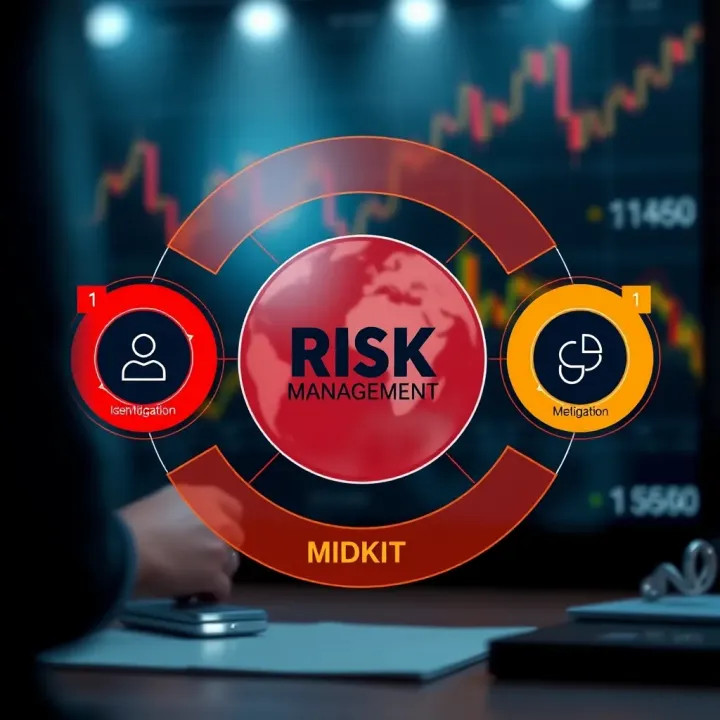
Understanding the Benefits of Risk Management
Explore how risk management boosts decision-making, financial stability, compliance, and innovation, helping Pakistani businesses protect reputation and grow sustainably 📊✅
Edited By
Charlotte Dawson
Risk Management Frameworks (RMFs) are essential tools for anyone navigating the financial markets, whether you're a trader, investor, or analyst. In Pakistan’s dynamic economic environment, understanding RMFs helps you identify risks early and take steps to protect your investments and business operations.
At its core, a risk management framework is a structured approach to spotting, assessing, and mitigating risks. For example, a stockbroker dealing in PSX equities might face market volatility, regulatory changes from the Securities and Exchange Commission of Pakistan (SECP), or counterparty risks. An RMF helps to break down these risks systematically.

The framework includes several components:
Risk Identification: Knowing what could go wrong. This could mean political instability affecting currency exchange rates or new taxation rules impacting corporate profits.
Risk Assessment: Gauging how likely each risk is and the potential loss it could cause. For instance, how much could your portfolio lose if the State Bank of Pakistan (SBP) raises interest rates suddenly?
Risk Control: Implementing measures to reduce the chance or impact of a risk. This might involve diversifying investments across sectors or using hedging tools like derivatives.
Monitoring and Review: Continuous tracking of market and regulatory developments to adjust strategies as needed.
Remember, an RMF isn’t a one-time checklist but an ongoing process that adapts as market conditions change.
Practical use matters. Suppose you're a crypto enthusiast in Pakistan: you should factor in risks like unclear government regulations or potential PTA warnings about certain exchanges. By integrating RMF principles, you can set stop-loss limits or only allocate a fixed portion of your capital to such high-risk assets.
A well-designed RMF fits into your existing processes. For instance, a financial analyst should link risk evaluations with regular market analysis reports rather than treating them separately. This integration saves time and improves decision accuracy.
Ultimately, RMFs help Pakistani market players stay ahead of surprises, safeguard their capital, and comply with regulatory requirements more effectively. This guide will unpack the steps and best practices to build or improve your own risk management system, tailored for local realities and financial instruments.
This foundation sets the stage for a deeper look into risk frameworks customised for Pakistan’s market environment and financial industry dynamics.
A Risk Management Framework (RMF) is a structured approach that organisations use to identify, assess, and manage risks systematically. It sets out the policies, processes, and tools needed to handle risks effectively within the context of specific business goals. Think of it as a roadmap that guides companies, from spotting potential threats—like market volatility or cyber attacks—to deciding how to address them. For traders and investors in Pakistan, an RMF helps keep operations on track amid unpredictable factors like rupee fluctuations or regulatory changes.
Protecting assets is a core reason companies adopt an RMF. Assets include tangible items like equipment and inventory, as well as intangible ones such as brand credibility and customer trust. For example, a Karachi-based export firm faces risks related to delayed shipments or foreign exchange shortfalls. Having an RMF in place ensures those risks are spotted early and mitigated, avoiding heavy financial losses or damage to business relationships.
In Pakistan’s competitive markets, even minor lapses can tarnish a company’s reputation quickly. For instance, a banking institution suffering a data breach risks losing customers overnight. An effective RMF includes safeguards against such incidents, preserving trust essential for ongoing business.
Pakistan’s regulatory environment often demands strict adherence to rules—from tax filings with the Federal Board of Revenue (FBR) to telecom regulations supervised by the Pakistan Telecommunication Authority (PTA). Businesses without a solid RMF might miss compliance deadlines or overlook required procedural checks, leading to fines or legal trouble.
For example, a textile firm exporting to Europe might need to meet specific environmental standards; without proper risk control processes, it risks non-compliance penalties that could halt exports. An RMF helps map out these obligations clearly, organising monitoring and reporting efforts efficiently.
Risk management frameworks offer valuable data and insights that sharpen business decisions. Knowing the probability and impact of various risks enables leaders to prioritise resources wisely—for example, investing more in cyber security if online threats are rising, or diversifying suppliers amid global supply chain disruptions.

Consider a stockbroker assessing investment options; an RMF integrated with market analysis helps identify which stocks carry hidden risks due to political instability or economic shifts in Pakistan. This leads to better portfolio management and ultimately, stronger returns with controlled downside.
A well-designed Risk Management Framework doesn’t just prevent losses; it gives organisations the confidence to seize opportunities while keeping risks in check. For Pakistan’s growing businesses and financial markets, this balance is essential for sustainable growth.
By setting clear procedures and responsibilities, an RMF turns risk from a guessing game into a manageable part of business strategy, valuable especially for traders, investors, and financial analysts navigating uncertain environments.
A strong risk management framework (RMF) relies on distinct key elements that help organisations identify, assess, and control risks systematically. For traders, investors, and analysts in Pakistan, understanding these elements streamlines spotting threats early and acting before they escalate. The framework is practical only when each component works cohesively to support informed decision-making.
In the Pakistani business landscape, risks range from political instability and currency fluctuations to supply chain interruptions caused by loadshedding or regulatory changes. For example, investors in the textile sector might face export restrictions or foreign exchange volatility. Identifying these risks early can avoid surprise losses.
Businesses use several tools for spotting such risks. These include brainstorming sessions with departmental inputs, SWOT analysis (strengths, weaknesses, opportunities, threats), and scenario planning. Technology like data analytics can flag irregular financial patterns indicating emerging market risks. These methods ensure risks are visible before harm occurs.
Assessing risk means estimating the likelihood it will happen and the severity of its impact. In Pakistan’s stock markets, for instance, a political event’s probability can be high, but its direct effect on a specific share might vary. Quantifying both helps prioritize where attention belongs.
Risk rating systems often combine likelihood and impact into a simple scale—say, from low to high or using numeric scores. This approach helps businesses communicate risk levels clearly. A risk rated as ‘high likelihood, high impact’ demands faster action than one rated ‘low likelihood, moderate impact.’
Prioritising risks focuses resources on the most threatening issues. Rather than spreading efforts thin, firms tackle urgent, damaging risks first. For example, a commodity trader might prioritise risks due to currency depreciation over less pressing operational risks.
Risk treatment involves deciding how to deal with identified risks. Four main strategies are common: avoiding the risk entirely, reducing its impact, sharing it (like through insurance), or accepting it when the cost of mitigation outweighs the damage.
In Pakistan, industries apply these differently. For instance, construction firms avoid certain flood-prone sites (avoidance), improve drainage systems (reduction), take insurance against delays (sharing), or accept minor damages due to unavoidable factors (acceptance). Businesses in volatile sectors combine these methods according to their specific risk appetite.
Effective risk management means not only knowing what can go wrong but having clear steps to handle those risks based on their priority and nature. These key elements form the backbone of any practical RMF, ensuring risks get tackled efficiently and decisions stay well informed.
Building a strong risk management culture is vital for organisations to consistently spot and handle threats before they escalate. For traders, investors, and financial analysts, this culture ensures smooth operations and safeguards assets against market volatility and regulatory pitfalls. Embedding risk awareness into daily work reduces surprises and builds confidence among stakeholders, especially in sectors known for unpredictability like Pakistan's financial markets.
Leadership plays a hands-on role in shaping the risk management mindset. When top management actively supports risk policies, it sends a clear signal about its seriousness. For instance, CEOs and board members in PSX-listed companies often review risk reports and ensure compliance with Securities and Exchange Commission of Pakistan (SECP) regulations. Their involvement helps align risk strategies with business objectives, making risk management a priority rather than a formality.
Moreover, leaders need to allocate resources for training and tools, empowering teams to manage risks effectively. A bank’s top executives, for example, must champion cyber risk initiatives to protect customer data and maintain trust amid increasing digital threats.
Every employee should understand their part in managing risks. Staff working in brokerage firms or asset management companies must receive timely training that covers compliance, fraud detection, and market risk analysis. This awareness builds stronger teams that quickly identify warning signs, such as unusual trading activities or regulatory changes.
Regular sessions, practical workshops, and updates about new risks create an informed workforce that acts as the first line of defence. Training also reduces costly mistakes caused by ignorance or negligence, ultimately saving organisations from penalties or reputational damage.
Risk management can't operate in isolation. It must be embedded in the organisation’s broader strategic planning. For example, a company preparing for IPO listing on the PSX must assess market risks, regulatory compliance, and operational readiness simultaneously. Integrating risk considerations during strategy formulation enables decision-makers to foresee challenges and adjust plans accordingly.
This approach ensures that strategic objectives are realistic and achievable given the risk environment. It also helps management balance risk-taking with risk control, which is essential for sustained growth in Pakistan's often volatile markets.
Beyond planning, risk management should flow into everyday operations. In trading houses or crypto exchanges, operational risk can arise from system failures or process lapses. Embedding controls – such as transaction monitoring, access restrictions, and fraud detection algorithms – into daily workflows minimises such risks.
For example, a securities brokerage in Karachi might use a digital dashboard to track key risk indicators (KRIs) in real time, enabling swift responses to suspicious activities. Embedding risk management into operations makes it part of routine business, fostering resilience against unexpected disruptions.
A risk-aware culture isn’t just about rules; it’s about attitudes and practices that keep organisations safe and agile in an ever-changing landscape.
Implementing a Risk Management Framework (RMF) effectively requires clear steps and adherence to best practices that integrate risk considerations into everyday business. For traders, investors, and financial analysts operating in Pakistan’s dynamic market, having a structured approach to implementation improves decision-making and mitigates unexpected losses. This section outlines the practical steps, focusing on policies, monitoring, and technology — all vital to operate smoothly amid changing market conditions and regulatory requirements.
Setting clear guidelines is the backbone of any RMF. Organisations must establish straightforward policies that define risk appetite, roles, and acceptable risk limits. For instance, an investment firm might specify maximum exposure per asset class or daily loss limits. Clear policies prevent ambiguity and ensure everyone understands the boundaries within which to operate. These guidelines should align with the firm’s overall strategy and comply with Pakistan Stock Exchange (PSX) regulations.
Documentation standards ensure that all risk activities, decisions, and assessments are properly recorded. Consistent documentation supports accountability and helps during audits or regulatory checks by the Securities and Exchange Commission of Pakistan (SECP). For example, maintaining detailed records of risk assessments during volatile days in the market can clarify the rationale behind decisions if questions arise later. Well-kept documents also ease training of new staff and help track the evolution of risk over time.
Using key risk indicators (KRIs) allows organisations to track potential risk triggers early. KRIs are measurable values — like volatility indices or foreign exchange rate shifts — that signal increased risk exposure. Pakistani financial analysts might monitor PKR to USD exchange rates or commodity price movements as KRIs impacting portfolio risk. Regularly reviewing these indicators helps in timely risk mitigation rather than reacting after losses occur.
Internal audits and continuous improvement underpin a resilient RMF. Internal audits regularly check whether risk processes are followed correctly and suggest areas for enhancement. For example, a brokerage might review client exposure limits quarterly to verify compliance and tweak procedures according to market trends or regulatory updates. This practice fosters a culture of learning, ensuring the risk framework evolves with Pakistan's changing financial landscape.
Software solutions compatible with Pakistani business environment enable effective risk management tailored to local needs. Many firms use specialised platforms compatible with Pakistani accounting standards and integration with local banks such as HBL or MCB. These tools automate data collection, risk scoring, and compliance reporting, reducing manual errors and saving time. For example, a financial analyst could use software that pulls real-time market data from PSX for faster risk analysis.
Data analysis and dashboard reporting are essential for visualising risk metrics clearly and communicating them effectively to decision-makers. Dashboards summarise key information such as portfolio risk exposure, KRIs, and policy compliance. This visibility allows traders and investors to take swift action. In the Pakistani context, dashboards that integrate regional market data and sectoral risks provide an edge by offering actionable insights tailored to local economic conditions.
Consistent implementation of these steps ensures an RMF not only protects against risks but also drives better business outcomes by embedding risk awareness into the organisation’s core activities.
Explore how risk management boosts decision-making, financial stability, compliance, and innovation, helping Pakistani businesses protect reputation and grow sustainably 📊✅

Discover how binary quotes work in financial markets 📈, their role in trading, risks, platforms, and tips – everything Pakistan traders need to know!

Explore binary logistic regression 📊—understand its concepts, applications in Pakistan 🇵🇰, interpretation tips, and common challenges in data analysis.
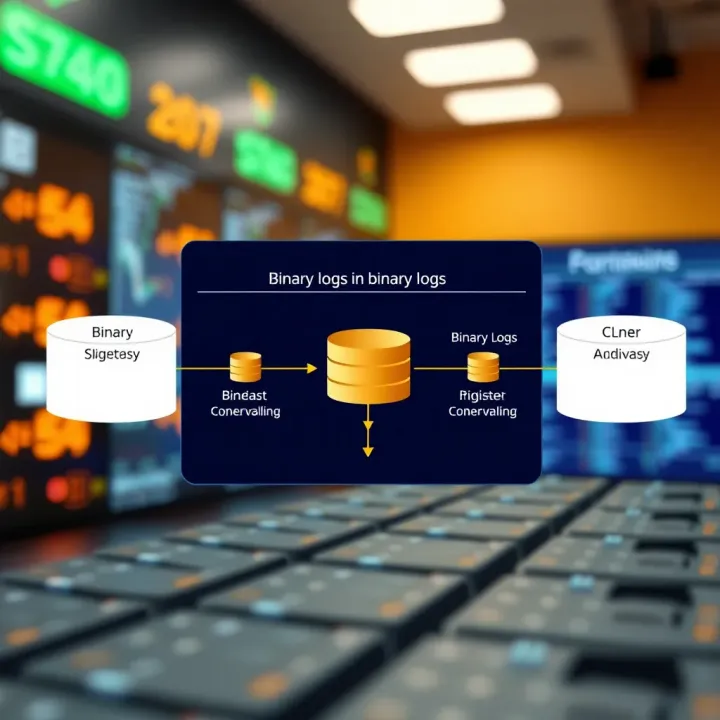
🔍 Learn how binary logs in database management support data recovery, replication, and auditing in Pakistan. Discover practical tips for secure, efficient handling.
Based on 15 reviews