
Choosing the Best Trading App in Pakistan: A Practical Guide
📈 Find the best trading app in Pakistan! Compare top features, security tips, and expert advice to trade confidently, whether beginner or pro. 🇵🇰💡
Edited By
Alexander Reid
Crypto trading refers to buying and selling cryptocurrencies like Bitcoin, Ethereum, and others on online platforms to profit from their price movements. Unlike traditional stock markets, crypto trading takes place 24/7, reflecting the global demand and supply of these digital assets.
In Pakistan, crypto trading has gained momentum despite regulatory uncertainties. Investors often use platforms like Binance, Coinbase, and local exchanges that support Pakistani Rupees (Rs) trading. Many traders look to profit from short-term price fluctuations, while others hold assets long-term, anticipating value growth over months or years.
Traders create accounts on crypto exchanges and complete identification verification using CNIC or passport.
They deposit funds via bank transfers, JazzCash, or Easypaisa to buy cryptocurrencies.
Traders monitor market trends, price charts, and use technical analysis tools to decide when to buy or sell.
Spot Trading: Immediate buying and selling of cryptocurrencies at current market prices. It's straightforward and suitable for beginners.
Margin Trading: Borrowing funds to trade larger volumes, magnifying profits but increasing risk.
Futures and Options Trading: Contract-based trading that allows speculation on prices without owning the asset, popular among experienced traders.
"Crypto trading is not a shortcut to riches. Managing risks with stop-loss orders and staying updated on market news helps protect investments."
Traders should be aware of volatile price swings and scams in the crypto space. It's important to use trusted platforms and avoid investing sums that can jeopardise personal finance. That said, with cautious strategies, many Pakistanis have successfully built portfolios worth several lakh rupees and beyond.
Understanding the fundamentals of crypto trading will help you navigate this dynamic market confidently and make informed decisions aligned with your financial goals.
Understanding crypto trading is essential for anyone looking to navigate this fast-moving digital market effectively. It helps traders and investors make informed decisions, avoid common pitfalls, and manage risks wisely. Especially in Pakistan, where the market is still evolving and regulations are in flux, knowing the basics gives you an edge when handling your investments.
Cryptocurrencies are digital or virtual currencies that work using blockchain technology, which records transactions securely across a network of computers. Unlike physical money such as Rs 1,000 notes, cryptocurrencies like Bitcoin or Ethereum exist only in digital form. Their value depends on supply, demand, and market confidence rather than government backing.
For Pakistani users, cryptocurrencies offer a way to send money across borders quickly without the usual banking delays. Plus, many see them as an alternative investment because the traditional stock market sometimes feels slow and less accessible.
Unlike traditional currencies issued by central banks, cryptocurrencies aren’t controlled by any single government or institution. This decentralisation means no central authority can inflate the currency or freeze accounts arbitrarily. In contrast, the Pakistani Rupee's value is influenced by the State Bank of Pakistan's monetary policies.
However, the flip side is that crypto prices can swing dramatically due to market speculation. Also, because cryptocurrencies are not legal tender in Pakistan and lack clear regulations, their acceptance for everyday transactions remains limited.
Crypto trading involves purchasing cryptocurrencies at a lower price and selling them when values rise, aiming for a profit. Platforms like Binance, Coinbase, or local apps compatible with Pakistani users help facilitate these trades. Traders typically convert Pakistani Rupees into Bitcoin or stablecoins like USDT to enter the market.
For example, if you bought 0.1 Bitcoin at Rs 4,000,000 per Bitcoin and sold it later at Rs 4,500,000, you would pocket the difference minus any fees. This buying and selling can happen rapidly in a day or over several months.
The crypto market is famously volatile. Prices can jump or drop by double-digit percentages within hours, often triggered by global news, regulatory announcements, or changes in investor sentiment. For instance, a sudden statement about cryptocurrency regulation by a government can cause prices to nosedive or surge.
Compared to stock or forex markets, crypto trading requires readiness for sharp ups and downs. Proper timing and risk management become critical. Many traders in Pakistan use technical charts and news updates to anticipate these moves and protect their capital.
Understanding these market dynamics helps you stay cautious and prepared, reducing the chances of heavy losses.
In short, grasping what cryptocurrencies are and how crypto trading works lays the foundation for successful engagement in this market, especially given Pakistan's unique financial environment.
Trading cryptocurrencies can be approached in several ways, each suited to different kinds of traders and investment goals. Understanding these popular methods helps you choose the right strategy based on your risk appetite and market outlook. While spot trading involves immediate ownership of digital coins, derivatives and margin trading offer more complex options to speculate on price movements.
Spot trading means buying or selling cryptocurrencies on the spot, with immediate transfer of ownership. You pay for the coins at the current market price and hold them in your wallet. This method is straightforward and favoured by those who prefer to own actual crypto assets rather than contracts or leveraged positions. For instance, if you buy 0.5 Bitcoin on a spot exchange, you own this crypto outright and can withdraw, hold, or sell it as you please.
Using crypto exchanges for spot trades is practical because these platforms provide a marketplace where buyers and sellers meet. Prominent exchanges like Binance, Coinbase, or in the Pakistani context, platforms supporting PKR deposits, let you trade major coins such as Bitcoin, Ethereum, or Tether directly. These exchanges handle order matching, security, and wallet management, making it easier for newcomers to enter crypto trading without dealing with technical complexities. Additionally, spot trading is less risky than margin trades since you're not borrowing funds or using leverage.
Futures and options contracts are common derivatives that let traders speculate on a cryptocurrency's future price without owning the actual asset. For example, a futures contract might bind you to buy Bitcoin at a set price on a specific future date. This allows you to profit from price changes without holding the coin itself. Such contracts can increase opportunities for profit but require an understanding of expiry dates, contract sizes, and settlement procedures. Options contracts add flexibility by letting you choose whether or not to execute the trade.
Margin trading involves borrowing funds from a broker or exchange to increase your buying power. Say you want to buy Rs 1 lakh worth of Ethereum but only have Rs 50,000; with 2x leverage, you can borrow the remaining amount. This amplifies gains if prices move in your favour but also multiplies losses if the market swings against you. Margin trading carries significant risks, including forced liquidation if your margin falls too low. Such tools are best used by experienced traders who keep strict risk controls.
Understanding these trading methods and their risks is key to navigating Pakistan’s emerging crypto market safely and effectively. Spot trading suits cautious investors, while derivatives and margin trading appeal to those seeking higher rewards but with greater risk exposure.
Starting crypto trading in Pakistan requires understanding the practical steps and local context that guide the process. Unlike traditional stock trading, crypto trading often demands a digital setup that suits Pakistan’s banking system, available payment methods, and regulatory framework. Investors and traders must know where to start, especially with factors like account creation, verification, and funding, which directly affect their ability to trade smoothly.
Choosing the right platform is critical when entering crypto trading. Binance, OKX, and local-friendly platforms like Huobi and KuCoin stand out due to their ease of use and support for Pakistani users. These exchanges accept PKR deposits and offer a variety of cryptocurrencies, including Bitcoin (BTC), Ethereum (ETH), and Tether (USDT). For example, Binance allows trades in both spot and futures markets, catering to beginners and advanced traders alike.
Selecting an exchange with reliable customer service and strong security measures is particularly important, given the volatility and risks in crypto markets. Also, some Pakistani users prefer decentralized exchanges for privacy, but these require more technical knowledge and don’t generally accept PKR deposits.
Pakistani regulations increasingly focus on Know Your Customer (KYC) rules to prevent fraudulent activities and money laundering. Most reputable crypto exchanges require identity verification before allowing trades or withdrawals. This usually means submitting a valid Computerised National Identity Card (CNIC) scan and sometimes a selfie or video verification.
For instance, Binance and OKX enforce KYC verification for Pakistani users who want to unlock higher withdrawal limits or access fiat gateways. Verification processes can take a few hours to days but are necessary to trade legitimately and comply with Pakistan’s financial monitoring. Skipping or failing these steps often leads to account suspension or withdrawal blocks.
Funding an exchange account in Pakistan typically involves either direct bank transfers or mobile wallet services like JazzCash and Easypaisa. Many exchanges now accept these payment methods, making it easier for traders without international credit cards to deposit funds.
For example, after CNIC verification, a user can link their JazzCash or Easypaisa wallet with the exchange’s fiat gateway, allowing quick deposits in PKR. This convenience reduces the hassle of international wire transfers, which may incur hefty fees and longer processing times.
Since most cryptocurrencies trade against stablecoins like USDT or major coins like BTC, traders in Pakistan must convert their PKR deposits into these currencies. USDT, a stablecoin pegged to the US dollar, is particularly popular because it minimizes exposure to crypto price swings during trade.
After funding their exchange account, users buy USDT or BTC to enter the market. For example, a trader funds Rs 1 lakh via JazzCash to the exchange and then converts it into 1,00x USDT to buy various altcoins or trade on futures. This process is crucial, as direct PKR trading pairs are limited, and stablecoins act as the central currency for most trading pairs.
Starting crypto trading in Pakistan means navigating local payment methods, verifying identity with CNIC, and converting PKR into tradable cryptocurrencies. These steps ensure secure and efficient entry into the crypto market.
By following these clear steps, Pakistani traders can engage confidently in crypto trading, managing risks tied to unverified accounts or delayed funding, which often cause unnecessary headaches in volatile markets.
Crypto trading offers exciting opportunities, but it also carries significant risks that every trader must understand. This section sheds light on the key challenges, enabling you to make informed decisions and protect your capital.
Sudden price swings are a daily reality in crypto markets. For traders, this means profits and losses can happen within minutes. Imagine holding Bitcoin today, only to see its value drop by 10% overnight due to unexpected news or a regulatory announcement. Such drastic movements affect traders' strategies and require constant vigilance.
Compared to stock or forex markets, cryptocurrency tends to be more volatile. While stock markets usually shift by 1-2% daily, major cryptocurrencies can easily move 5-10% or more in a single day. This volatility means that while the profit potential is higher, so is the risk of substantial losses. Traders should be prepared for these swings and consider tools like stop-loss orders to manage exposure effectively.
Security is a major concern in crypto trading. Wallets and exchanges are frequent targets for hackers. For example, if you don't use a secure hardware wallet or a trusted exchange with strong security protocols, you risk losing your assets to cyber-attacks. Regularly updating passwords, enabling two-factor authentication, and using cold storage for large holdings are practical steps that protect against theft.
In Pakistan, regulatory clarity remains limited. The State Bank of Pakistan has warned against cryptocurrencies but hasn’t issued a full ban, which creates uncertainty. This unclear environment affects traders by restricting access to formal banking channels for crypto transactions and increasing dependency on peer-to-peer platforms. Additionally, regulatory risks could lead to sudden policy changes impacting the legality or taxation of crypto trading. Staying informed about official announcements and adapting quickly is crucial for traders here.
Understanding these risks—market volatility, security threats, and regulatory uncertainty—helps traders navigate crypto markets more confidently. Wise risk management can turn challenges into opportunities.
In sum, while crypto trading can be profitable, it demands awareness of its unpredictable nature and an active approach to safety and compliance, especially in Pakistan’s evolving framework.
Crypto trading can be highly rewarding but also risky, which makes having a solid approach essential. Traders who want to do well must combine good research with sound risk control. These tips focus on practical strategies that improve your chances of success while protecting your capital.
Understanding market trends and charts is fundamental to crypto trading. The crypto market is notoriously volatile, so recognising patterns and indicators helps identify entry and exit points. For instance, traders often use candlestick charts to spot bullish or bearish signals. Knowing how to read volume trends alongside price action can give you a clearer picture of market momentum. Without this knowledge, you might enter a trade just when the market is about to reverse.
Using reliable news sources and data is just as critical. Crypto prices can swing wildly based on news related to regulations, technology upgrades, or large investments. For Pakistani traders, following trusted global sources like CoinDesk, Binance Research, and even some regional analysts ensures you stay up to date. Plus, verifying news from multiple platforms reduces the chance of falling for rumours or market manipulation.
Setting stop-loss orders limits potential losses by automatically selling your holding when the price hits a certain level. This strategy is crucial in crypto trading due to sudden price drops. For example, if you buy Bitcoin at Rs 5,000,000 and set a stop-loss at Rs 4,700,000, the system will sell your holding if the price falls to that point, helping prevent bigger losses.
Diversifying your crypto assets helps spread risk across different coins and tokens. Rather than putting all your money into Bitcoin or Ethereum, including smaller altcoins or stablecoins can balance your portfolio. If one asset faces sharp declines, others might perform better or remain stable, protecting your overall investment. This approach works well when markets are unpredictable, like in crypto.
Successful crypto trading isn’t just about picking the right coin—it demands careful study of the market and protecting your investment through smart risk management.
Following these tips helps you navigate crypto trading with more confidence. Mastering market analysis lets you spot opportunities early, while risk management keeps losses in check. Both skills together form the foundation of a more sustainable trading experience in Pakistan’s growing crypto scene.
📈 Find the best trading app in Pakistan! Compare top features, security tips, and expert advice to trade confidently, whether beginner or pro. 🇵🇰💡
Discover how to pick the right crypto trading platform in Pakistan 🇵🇰. Learn about security 🔒, fees 💰, cryptocurrencies 💹, and easy local payments 🏦 for smart trading decisions.
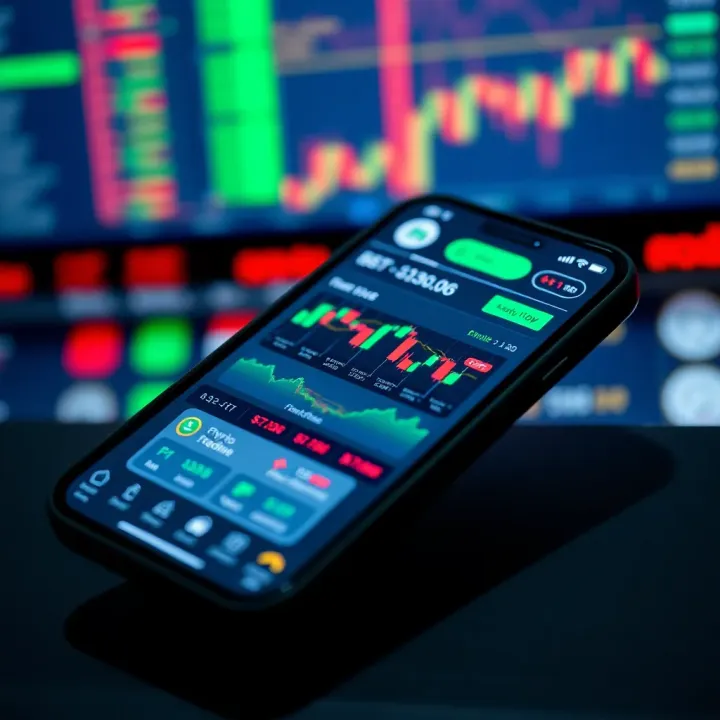
Find the best crypto trading app 🇵🇰 for Pakistan traders! Explore features, fees, security 🔒 & user experience to match your trading style perfectly.

Looking for the best crypto trading app in Pakistan? Discover key features, security tips, currency options, fees, and user experience insights to trade smartly 📱💰
Based on 13 reviews