
Understanding the Benefits of Risk Management
Explore how risk management boosts decision-making, financial stability, compliance, and innovation, helping Pakistani businesses protect reputation and grow sustainably 📊✅
Edited By
Thomas Green
Disaster risk management (DRM) is a system that helps governments and communities reduce the damaging impacts of both natural and man-made hazards. For Pakistan, a country vulnerable to floods, earthquakes, droughts, and industrial accidents, managing these risks is vital to protect lives, assets, and economic stability.
At its core, DRM involves several essential steps: preparing before disasters strike, reacting effectively during events, and recovering swiftly afterwards. This cycle aims to minimise loss and build long-term resilience.

Understanding DRM requires recognising three key components:
Hazard identification: Knowing what threats exist, like floods in Sindh or earthquakes in Baluchistan.
Vulnerability assessment: Understanding which communities or economic sectors are most likely to suffer damage.
Capacity evaluation: Measuring availability of resources, infrastructure, and coordination mechanisms to respond.
For investors and financial analysts, DRM impacts economic activities directly. For example, floods damaging transport routes disrupt supply chains and affect stock prices of related industries. Robust DRM helps reduce such volatility by limiting disaster fallout.
A practical example within Pakistan is the improved flood warning system developed by the Pakistan Meteorological Department (PMD). Early alerts allow traders and logistics companies to adjust operations, reducing losses.
Effective disaster risk management is a continuous process that involves risk reduction, preparedness, timely response, and recovery efforts — all essential for sustaining economic stability.
By adopting DRM principles, authorities can plan urban development to avoid hazard-prone areas and promote insurance schemes for businesses. These steps not only save money but also instill confidence among investors and stakeholders.
In summary, DRM in Pakistan is about understanding local risks, assessing weaknesses, and strengthening responses to protect both people and economic interests. For traders and financial professionals, awareness of these factors is key to making informed decisions responsive to disaster risks.
Disaster Risk Management (DRM) is the organised approach to handling hazards before they turn into full-blown disasters. The aim is to reduce losses and protect lives, property, and the economy by identifying risks early, preparing communities, and ensuring quick response and effective recovery. This concept matters a great deal for Pakistan, a country regularly affected by floods, earthquakes, and droughts.
Disaster itself is the actual event causing harm, like an earthquake or flood hitting a region. Risk, on the other hand, is the potential for harm before the event occurs. Risk considers both how likely a hazard is and how vulnerable people or infrastructure are. For example, a flood risk is higher in low-lying areas near rivers, where poor drainage worsens chances of damage. Understanding risk helps focus resources where they matter most.
Managing risks means lessening the impact of disasters on people's lives and economic activities. Effective DRM can prevent crises from escalating by improving early warnings, preparing emergency response teams, and educating communities. In Pakistan, managing risk saves not only lives but also helps stabilise markets and keeps businesses running after disasters, preventing long-term economic setbacks.
Pakistan faces multiple hazards almost yearly. The monsoon season often brings devastating floods affecting millions. Earthquakes are frequent due to Pakistan's location on seismic fault lines, with tremors hitting areas like Quetta and the northern regions unpredictably. Droughts impact southern Punjab and Sindh, causing water shortages for agriculture and livestock. This variety demands a comprehensive DRM that addresses all types of threats.
Disasters in Pakistan cause extensive social distress and financial loss. Floods in 2022 alone displaced over seven million people, damaging homes and crops. Businesses, especially small traders, face interruptions that affect livelihoods. Infrastructure damage leads to power outages and transport disruptions, slowing economic recovery. Without DRM, these impacts multiply, pushing vulnerable communities deeper into poverty and slowing overall development.
A strong Disaster Risk Management framework is vital to protect Pakistan’s socio-economic fabric, ensuring swift action and reducing harm caused by unavoidable hazards.
In summary, understanding what DRM means and why it is so important for Pakistan helps traders, investors, and analysts anticipate disruptions and contribute to building resilience across sectors. Proper management of disaster risks safeguards not just lives but also the economy and future growth prospects.
Disaster risk management relies on understanding the different types of disasters that can affect an area. By recognising these hazards, authorities and investors can better assess risks, plan mitigation strategies, and protect economic interests. For traders and financial analysts, knowing which disasters commonly disrupt markets or sectors helps inform risk management and investment decisions.
Floods rank among the most frequent and damaging natural hazards in Pakistan, especially during the monsoon season. Heavy rains lead to river overflow, inundating large areas and disrupting transport, business activities, and agriculture. For example, the 2010 floods caused losses exceeding Rs 1.3 trillion, affecting supply chains, commodity prices, and investor confidence. Understanding flood-prone zones aids investors in real estate and agriculture to evaluate risk and adjust investment portfolios accordingly.
Pakistan sits on several active fault lines, making it prone to earthquakes. Major quakes, like the 2005 Kashmir earthquake, have devastated infrastructure, disrupted markets, and caused economic setbacks. Traders and infrastructure investors must factor seismic risk into project evaluations. Insurance companies also assess these risks for underwriting. Building earthquake-resistant infrastructure and early warning systems reduce economic shocks.
Periodic droughts and prolonged heatwaves affect water availability, crop yields, and energy demand, impacting sectors like agriculture, power generation, and commodity pricing. The droughts in Balochistan and Sindh during recent years highlighted vulnerabilities in food security and energy supply. Financial analysts track drought forecasts as they can influence commodity markets and inflation trends, particularly wheat and sugar prices.
While coastal Pakistan faces fewer cyclones than some regions, severe storms do cause damage to Karachi and coastal areas, threatening shipping, fishing, and trade hubs. Strong winds disrupt power lines and transport networks, causing short-term economic losses. With climate change potentially increasing storm intensity, investors in port facilities and coastal infrastructure closely monitor cyclone threats to manage risk.
Pakistan’s expanding industrial zones face risks from chemical spills, gas leaks, or factory fires, which can halt production and cause environmental damage. Incidents like the Baldia Town fire in Karachi underline the need for strict industrial safety regulations. For businesses and insurers, understanding industrial accident risks helps with contingency planning and assessing liabilities.
In densely populated urban centres, uncontrolled fires can destroy homes, markets, and warehouses, severely impacting small businesses and supply chains. Karachi’s industrial areas and old mohallas remain vulnerable. Investors in commercial property should consider fire safety measures and local fire service readiness when evaluating assets.
Road collapses, railway accidents, and power outages disrupt trade logistics, cause financial losses, and affect stock market sectors dependent on smooth supply chains. The frequent loadshedding and occasional motorway accidents highlight vulnerabilities. Traders and investors must account for infrastructure reliability when evaluating market risks and project viability.
Understanding the broad range of disasters—from floods to industrial mishaps—enables stakeholders in Pakistan to make informed decisions that protect investments and livelihoods.
By keeping these specific disaster types in mind, traders, financial analysts, and investors can develop better risk mitigation strategies tailored to Pakistan’s unique challenges.
Disaster risk management relies on several core components that collectively reduce the potential damage caused by natural or man-made hazards. These components serve as a step-by-step framework to identify risks, prepare communities, respond efficiently, and recover effectively. Understanding each element's role helps organisations, investors, and policymakers make informed decisions to protect assets and livelihoods.
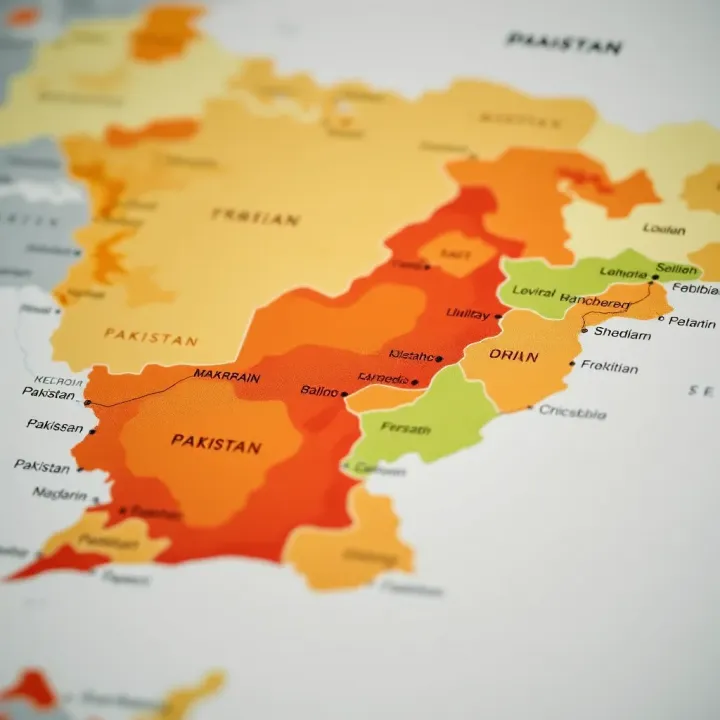
A clear picture of which areas are most vulnerable is the first step in managing disaster risks. This involves evaluating geographical, socio-economic, and infrastructural weaknesses that can exacerbate damage during disasters. For example, floodplain regions around the Indus River are prone to monsoon flooding, making them high priority for preventive measures. Knowing these zones helps investors avoid risky developments and supports financial analysts in assessing potential losses.
Recognising how disasters like earthquakes or droughts have historically occurred across Pakistan aids in predicting future risks. The northern regions near the Himalayas face seismic threats, while southern areas like Sindh and Punjab grapple with droughts. Awareness of these patterns informs both public policy and private sector planning, ensuring resources are allocated efficiently to mitigate impacts.
Raising public awareness and conducting practical training is critical for reducing disaster impacts. Communities familiar with evacuation routes, first aid, and emergency protocols respond faster, saving lives and decreasing damage. The inclusion of local populations in preparedness campaigns strengthens resilience, which is crucial for investors and businesses to sustain operations during crises.
Effective early warnings issued by government bodies can significantly minimise harm. For instance, Pakistan Meteorological Department's timely flood alerts allow districts to mobilise resources in advance. These alerts reach people through multiple channels including SMS, radio, and local announcements, enhancing overall readiness.
Disaster response demands tight coordination between federal, provincial and local agencies to avoid duplication and ensure swift action. Institutions like the National Disaster Management Authority (NDMA) play a central role in aligning efforts during emergencies. Clear coordination reassures investors and communities that resources will be used efficiently.
The rapid deployment of emergency services—such as medical aid, rescue teams, and shelter provisions—is vital post-disaster. Efficient distribution channels reduce suffering and help stabilise affected areas sooner. For traders and market players, well-organised relief efforts mean quicker recovery of commercial activity.
Post-disaster recovery focuses on rebuilding damaged roads, bridges, schools, and hospitals. Reconstruction is often an opportunity to build stronger, more resilient structures that can withstand future hazards. Policymakers and investors should encourage adaptive building techniques to reduce long-term risks.
Recovery also involves restoring livelihoods and providing psychosocial support to victims. Cash assistance, skills training, and community development programmes help people regain stability. Helping communities bounce back quickly is essential for maintaining economic activity and market confidence.
Effective disaster risk management combines proactive assessment with responsive actions and sustainable recovery plans. When done well, it safeguards people, property, and economic interests alike.
Pakistan's disaster risk management framework hinges on a network of key institutions and policies that guide response and preparedness efforts. Understanding these entities and their interaction is essential for grasping how risks are managed across different levels of government and society.
The National Disaster Management Authority (NDMA) is Pakistan's apex body for disaster management. Its main role is to formulate national policies, coordinate disaster response, and oversee preparedness measures throughout the country. NDMA sets operational standards and ensures resources reach critical areas during emergencies, like the 2010 floods that affected millions.
NDMA's role extends beyond crises; it pushes for better risk reduction strategies nationally. By analysing data, conducting hazard assessments, and advising policymakers, it helps build resilience before disasters strike. NDMA also leads national campaigns on public awareness and works with media to spread timely warnings.
Coordination with provincial authorities is a core task for NDMA. Since disaster response is decentralised, the authority works closely with Provincial Disaster Management Authorities (PDMAs) to align plans and share resources efficiently. This cooperation is vital during large-scale events where rapid mobilisation across provinces is needed.
NDMA conducts joint exercises and training sessions with provincial teams to streamline communication and improve field performance. Such collaboration reduces overlaps and delays, enabling quicker relief operations.
Provincial Disaster Management Authorities (PDMAs) act as the frontline agencies within each province. They implement NDMA policies at the local level, tailor strategies to regional hazards, and manage provincial response teams. For example, during Karachi’s urban floods, PDMA Sindh played a central role in coordinating rescue and evacuation efforts.
PDMAs also engage with district and tehsil administrations to ensure disaster management policies trickle down effectively. Their proximity to communities allows better hazard mapping and spotting vulnerable groups.
Community-Based Organisations (CBOs) complement official efforts by working at the grassroots level. These groups raise awareness, conduct drills, and help residents prepare for disasters like earthquakes or droughts. In flood-prone areas of Punjab, local CBOs organise training workshops on early warning signs and first aid, equipping communities to respond swiftly before external help arrives.
CBOs often act as channels for government messages in remote or underserved areas. They also assist in collecting feedback on relief distribution and rehabilitation, ensuring aid matches community needs.
The National Disaster Management Act provides the legal backbone for Pakistan’s disaster risk management. It establishes NDMA, PDMAs, and outlines their powers and duties. The law mandates disaster preparedness as a shared responsibility among federal, provincial, and local authorities, helping to avoid gaps in governance.
The Act also provides for funds allocation and emergency procurement procedures, simplifying administrative hurdles during crises. Its enforcement encourages all sectors, including private industry and NGOs, to engage actively in risk reduction.
Integrating disaster risk management into development planning is a growing focus. Policies now advocate for resilient infrastructure and urban planning that consider hazard exposure, such as avoiding construction on flood plains or enforcing earthquake-resistant building codes in seismic zones.
Development bodies and the Planning Commission increasingly embed disaster risk criteria in project approvals. This foresight reduces future losses and helps create sustainable growth models amid Pakistan’s changing climate.
Strong institutions supported by clear laws and active community participation together create a more resilient Pakistan, ready to face disasters with well-organised and effective responses.
NDMA leads national coordination, policymaking and awareness
PDMAs and CBOs implement policies locally, tailoring them to regional hazards
National Disaster Management Act defines institutional roles and funding
Integrating risk reduction into development planning promotes long-term resilience
This institutional ecosystem shapes how Pakistan manages disaster risks, helping protect lives, assets, and economic stability.
Disaster risk management in Pakistan faces several significant challenges that can undermine effective response and recovery efforts. Recognising these hurdles is key for traders, investors, and financial analysts who must understand the economic and social risks disasters pose to businesses and markets. Practical knowledge of these issues helps stakeholders assess vulnerabilities and develop better risk mitigation strategies.
Pakistan struggles with limited funding for disaster management, which directly impacts the availability of necessary equipment, vehicles, and trained personnel. For example, emergency services often operate with outdated ambulances or insufficient rescue gear during floods or earthquakes. This scarcity slows response times and reduces the ability to handle large-scale disasters efficiently.
Public and private sector budgets for disaster risk management are frequently stretched thin, especially when competing priorities like health or education also demand funding. The absence of advanced technology, such as satellite-based hazard detection systems or modern communication tools, restricts preparedness and early warning capabilities.
Pakistan's vast rural and mountainous regions, including parts of Balochistan and northern KP, pose unique difficulties for disaster management. Limited road connectivity hinders timely rescue and relief operations, often leaving isolated communities stranded during floods or landslides.
Moreover, many remote areas lack basic infrastructure, such as health centres or emergency shelters, which increases vulnerability. In places like Upper Dir or Chitral, even setting up mobile network coverage to issue early warnings can be a challenge, delaying vital information dissemination.
Changing climate patterns have intensified Pakistan’s exposure to disasters. Unpredictable monsoon rains cause erratic flooding, while rising temperatures contribute to more frequent droughts and heatwaves. These shifts affect crop yields and water availability, ultimately hurting the rural economy and food security.
For traders and investors, such weather variability increases uncertainty in agro-based markets and energy supply chains. For example, hydroelectric plants dependent on river flows may see fluctuating power generation, influencing energy prices and industrial output.
To manage these evolving risks, Pakistan must adopt adaptive disaster risk management that incorporates climate projections into planning. This means upgrading infrastructure to withstand stronger floods, redesigning urban drainage, and promoting water conservation in agriculture.
Adaptive strategies also include investing in climate-resilient crops and diversifying income sources for vulnerable populations. Financial markets can benefit by factoring these measures into risk assessment models, signalling a more resilient economic future if properly implemented.
Public participation remains low in many areas owing to lack of trust, cultural barriers, and insufficient outreach. Without community involvement, disaster plans often fail to address local needs or practices effectively.
In urban centres like Karachi and Lahore, engaging informal settlements—which bear a large brunt of flooding—is especially difficult due to the absence of formal governance structures. This reduces the impact of disaster education campaigns and weakens overall preparedness.
Many Pakistani communities lack regular training on disaster response basics, such as first aid or evacuation procedures. Schools and workplaces often do not conduct drills, which leads to confusion when disasters strike suddenly.
For financial stakeholders, these gaps translate into greater operational risks since worker safety and business continuity plans remain untested. Improving education and skill-building can enhance rapid response and reduce post-disaster losses.
Efficient disaster risk management hinges on addressing these resource, climate, and social challenges with coordinated efforts across government, private sector, and communities. Recognising the real-life implications helps investors and risk analysts prepare better for disruptions affecting Pakistan’s economy and infrastructure.
Strengthening disaster risk management is vital to reduce the impact of hazards on vulnerable populations and economic assets. In Pakistan's fast-growing urban centres and remote rural areas alike, practical measures can improve prevention, preparedness, and response. The approaches discussed here highlight methods that better prepare communities, integrate risk reduction into development, and build capacity among responders.
Mobile technology is a game-changer for early warnings. The widespread use of smartphones and mobile networks in Pakistan means alerts about impending floods, heatwaves, or earthquakes can reach millions quickly. For instance, the Punjab Provincial Disaster Management Authority (PDMA) has adopted SMS alerts to warn citizens during monsoon flooding. This allows people to take timely precautions and evacuate if needed, reducing casualties and damage.
Besides SMS, social media platforms and mobile apps help share rapid updates. These technologies make it easier to inform not only individuals but also community leaders and emergency services, promoting coordinated action before disasters strike.
Local involvement ensures disaster plans address ground realities. Communities know their own vulnerability points better than outsiders. In many flood-prone areas of Sindh, community committees participate in mapping safe shelters and identifying escape routes, ensuring plans are practical.
When locals contribute to preparedness, they take ownership, increasing the success of drills and response activities. It also helps build trust between authorities and residents, vital for swift action during crises.
Resilient infrastructure can withstand shocks and speeds up recovery. For example, in Karachi, constructing flood-resistant roads and stormwater drains reduces urban flooding during heavy rains. Similarly, schools and hospitals designed with seismic standards protect lives during earthquakes.
Investing in such infrastructure means fewer interruptions to business and services, a key concern for traders and investors worried about losses from disasters.
Pakistan's cities are expanding rapidly, often without proper hazard considerations. Urban sprawl into river floodplains or unstable hillsides increases risk. Integrating disaster risk assessments into urban planning helps restrict construction in high-risk zones.
For example, Islamabad's Capital Development Authority (CDA) incorporates flood mapping in zoning decisions to avoid settlements in vulnerable areas. Proper land-use planning mitigates hazards while supporting sustainable growth.
Well-trained first responders save lives and reduce damage. Regular drills and modern training techniques equip police, medical teams, and volunteers to act effectively. For instance, NDMA organises simulation exercises replicating earthquake scenarios, preparing teams for real events.
Investment in training also enhances coordination among different agencies, reducing confusion and duplication during emergencies.
Empowering communities through disaster education allows quicker, localised responses. Awareness programmes teach essential skills like first aid, fire safety, and evacuation procedures.
These initiatives have shown success in places like Gilgit-Baltistan, where local groups organise preparedness workshops ahead of winter storms. Community strength reduces dependence on external rescuers, who may take hours to arrive.
Strengthening disaster risk management through technology, community involvement, development integration, and training reduces losses and bolsters resilience, ultimately supporting Pakistan's social and economic stability.
This combined approach gives a practical roadmap for traders, investors, and analysts to understand how risk management can safeguard not just lives but also investments and economic activity.
Explore how risk management boosts decision-making, financial stability, compliance, and innovation, helping Pakistani businesses protect reputation and grow sustainably 📊✅

📊 Explore how actuarial science and risk management use stats, finance & tools to handle uncertainty in Pakistan's industries, offering key insights for pros & students.

Looking for the best trading app in Pakistan? Discover key features, security tips 🔒, cost factors 💰, and local market insights 📈 to trade smartly.

Looking for top Forex brokers in Pakistan? Discover tips on regulation, fees, platforms, and support to trade safely and smartly.💰📉📈
Based on 14 reviews