
Understanding the Benefits of Risk Management
Explore how risk management boosts decision-making, financial stability, compliance, and innovation, helping Pakistani businesses protect reputation and grow sustainably 📊✅
Edited By
Sophie Mitchell
Project risk management is about recognising potential problems that might disrupt your project and finding ways to handle them before they turn into big issues. For traders, investors, financial analysts, stockbrokers, and crypto enthusiasts, this skill is vital—not just to avoid losses but also to take advantage of opportunities that come with uncertainty.
Understanding risk types is the first step. Risks can be broadly categorised into:
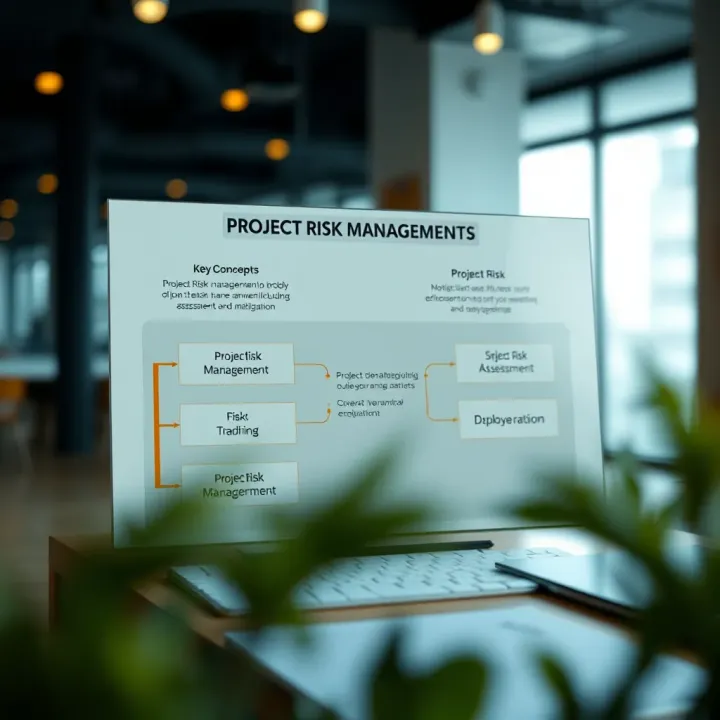
Market Risk: Changes in market conditions, such as sudden fluctuations in stock prices or currency values.
Operational Risk: Failures in internal processes, like delays in executing trades or technological glitches.
Credit Risk: The chance that counterparties might default on obligations.
Regulatory Risk: Changes in laws or rules affecting financial instruments or trading.
For example, a crypto trader in Karachi might face regulatory risk if the government suddenly imposes new restrictions on cryptocurrency transactions.
Risk assessment involves evaluating how likely these risks are and what impact they might have. Use a straightforward scale (low, medium, high) for probability and impact. Then map these risks on a matrix to prioritise which need urgent attention.
Mitigation strategies include:
Avoidance: Steering clear of risky investments.
Reduction: Implementing measures like stop-loss orders or diversification.
Transfer: Using insurance or hedging instruments.
Acceptance: Taking calculated risks with contingency plans in place.
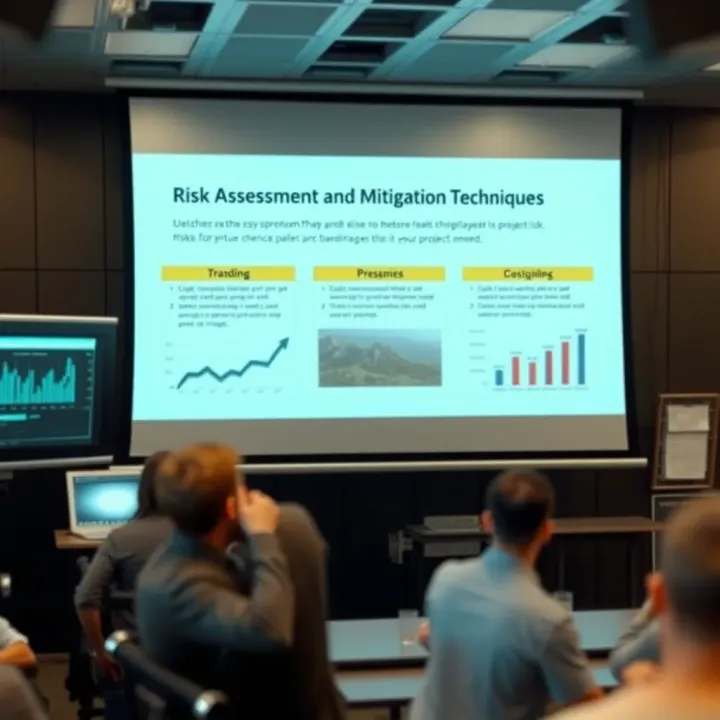
While preparing presentations on project risks, keep the message simple and concrete. Use clear visuals such as risk matrices and flowcharts. Focus on key points that align with decision-makers’ concerns, like potential financial impact or regulatory compliance.
Clear communication of risks empowers teams and stakeholders to make informed decisions—this itself can prevent costly mistakes.
In Pakistan’s fast-paced financial market, being proactive in managing and presenting risks effectively can save resources and enhance confidence among investors and partners alike.
Understanding project risk management is essential for anyone involved in financial markets or business projects, especially in Pakistan's volatile economic environment. This process helps anticipate potential challenges that might derail a project or investment, allowing decision-makers to prepare and respond effectively. For traders or investors, recognising risks early means better control over financial outcomes and minimises unexpected losses.
Project risk refers to any uncertain event or condition that can impact the success of a project. These risks might delay completion, increase costs, or reduce the project's overall value. For example, a stockbroker managing a corporate client’s investment portfolio might face risks like sudden policy changes or global market fluctuations affecting portfolio returns. Recognising such risks helps in formulating strategies to handle them before they materialise.
Managing risk reduces surprises and prepares the team to handle problems without significant damage. Take a construction project in Karachi facing frequent loadshedding; managing this risk through backup power arrangements ensures work continuity. Similarly, investors managing risks like currency depreciation can protect their portfolios by diversifying assets. Effective risk management means saving time, costs, and reputation, crucial in Pakistan’s competitive market.
Internal risks originate within the project itself—fluctuations in scope, limited resources, or team issues. Imagine a software development project where the scope keeps expanding without corresponding resource increase; delays and budget overruns become likely. In Pakistani firms, a shortage of skilled IT professionals can raise internal risk. Properly defining project boundaries and realistic allocation of resources mitigates such risks.
External risks come from outside forces beyond immediate control but with substantial impact. Regulatory changes by SECP (Securities and Exchange Commission of Pakistan), sudden spikes in petroleum prices affecting logistics, or market downturns impacting investor sentiment are common examples. A textile exporter in Faisalabad might face risks from changing international trade policies or raw material shortages. Monitoring these external factors closely allows timely adjustments and avoids costly setbacks.
Identifying and understanding both internal and external risks equips project managers and investors to craft solid plans that safeguard progress and optimise returns even under uncertainty.
By grasping these concepts, traders, investors, and analysts working in Pakistan's complex business landscape can better prepare themselves to navigate risks, turning challenges into opportunities for smarter decisions.
Effective project risk management relies on understanding and applying its core components thoroughly. These elements serve as the foundation to identify potential risks early, evaluate their impact, and decide on suitable actions. For traders, investors, or financial analysts, mastering these components means better control over uncertainties that could affect project outcomes or investment plans.
Brainstorming sessions involve gathering diverse team members to discuss potential risks openly. This collaborative approach encourages sharing different perspectives, helping spot less obvious issues. For example, a project team launching a fintech app might brainstorm risks related to regulatory changes, tech failures, or user adoption. This method quickly brings multiple risks to light, fostering proactive thinking.
Risk checklists offer a structured way to identify risks based on past projects or industry standards. These lists serve as a reference to ensure teams do not overlook common risk areas like budget overruns or vendor delays. In Pakistan’s evolving markets, checklists tailored to local conditions, such as fluctuations in foreign exchange or load shedding impact, help in early warning and preparation.
Expert interviews tap into the experience of professionals who have faced similar projects or market environments. Interviewing industry experts or seasoned project managers provides insights that are often missed by standard processes. For instance, consulting risk experts before investing in a new stock sector can reveal hidden regulatory challenges or market trends specific to Pakistan’s financial landscape.
Qualitative analysis methods focus on describing risks based on their likelihood and potential impact using non-numerical criteria. It’s useful when detailed data is limited or to complement quantitative approaches. For example, rating project risks as ‘high’, ‘medium’, or ‘low’ helps prioritise discussion when precise financial estimates are unavailable.
Quantitative analysis methods use numerical data and models to estimate the probability and impact of risks more precisely. Techniques like Monte Carlo simulations or sensitivity analysis help forecast potential losses or delays. Traders might use this for portfolio risk assessment by quantifying probable losses under different scenarios.
Risk prioritisation sorts identified risks by their severity and likelihood to focus attention and resources effectively. This step ensures that a project manager or investor doesn’t spread efforts too thin. Using a risk matrix, for example, allows teams to quickly decide which risks require immediate mitigation plans and which can be monitored over time.
Properly managing these core components increases the chance of project success and investment security in Pakistan’s dynamic market. Each technique brings practical value by organising risk management tasks into clear, actionable steps.
Managing risks without a solid strategy is like sailing without a compass. In project management, developing practical and tailored strategies helps ensure you don't just identify risks but actively manage their impact. This section focusses on clear, applicable approaches that traders, investors, and financial analysts in Pakistan's dynamic market can use to keep projects on track and within budget.
Avoidance and reduction methods focus on preventing risks before they manifest or reducing their impact if they do. For example, if a project depends on a volatile foreign currency, a company might avoid exposure by hedging through forward contracts. In Pakistan, businesses importing machinery might adjust their timelines to avoid the monsoon season when logistics become unpredictable. Early planning like this cuts down chances of delays or cost overruns.
Risk transfer and sharing involve passing the risk to a third party or sharing it among partners. Insurance is a common transfer method—for instance, shipping insurance protects against losses due to damaged goods during transport. When a local startup partners with a larger firm, they share financial and operational risks, making challenges easier to handle. This approach is particularly relevant for complex projects spanning multiple stakeholders or jurisdictions, reducing individual burden.
Contingency plans are backup solutions prepared for risks that cannot be fully avoided or transferred. If a supplier fails to deliver on time because of a customs hold-up at Karachi port, having an alternative supplier lined up can prevent project delays. Contingency funds or resources set aside help manage sudden issues without derailing the entire effort. Planning contingencies demonstrates prudence and preparedness to investors and partners.
Tracking risk triggers means keeping an eye on early warning signs indicating a risk might occur. For example, regular exchange rate fluctuations might signal rising currency risk. Project managers in Pakistani financial firms can monitor political developments closely to anticipate regulatory changes. Spotting these triggers early allows quicker response to limit damage.
Regular risk review meetings provide structured opportunities to assess the project's risk status. Bringing team members together weekly or biweekly ensures everyone is updated on evolving risks, such as shifts in market demand or supplier issues. These meetings aid collaborative problem-solving and keep the focus on risk management as an ongoing process rather than a one-off exercise.
Adjusting plans as risks evolve involves flexibility in project strategies. Market conditions in Pakistan can change quickly—new tax rules or energy loadshedding schedules might affect timelines or costs. Updating project plans, re-allocating resources, or revising budgets in response to these changes helps avoid surprises. Dynamic risk management makes your project resilient and better suited to deal with uncertainty.
Effective risk management is not just spotting problems but actively planning and adapting to them. Keeping your strategies clear, practical, and responsive improves your chances of project success in Pakistan’s competitive business environment.
By crafting sensible risk responses and continuously monitoring them, project teams can reduce failures and reassure investors about sound governance and foresight.
Creating a clear and impactful presentation on project risk management is essential, especially when addressing stakeholders, investors, or project teams. A well-structured presentation conveys complex risk information efficiently, helps in decision-making, and builds confidence in your risk strategies. For financial analysts or traders, clear communication of risk exposure can influence investment strategies and portfolio adjustments, making the presentation skill a critical part of managing projects effectively.
Clear objectives for each slide ensure your audience stays focused and understands the key point without getting lost in excess detail. Each slide should have one main idea, like outlining a specific risk type or presenting a mitigation strategy. For example, a slide could clearly aim to show how market volatility impacts project timelines. When objectives are clear, it avoids information overload and guides the audience step-by-step through your analysis.
Using visuals and charts makes complicated data more digestible. Consider a bar chart comparing different risk likelihoods or a pie chart illustrating resource allocation for risk mitigation. Visuals draw attention and improve recall better than text-heavy slides. In Pakistan’s context, showing how currency fluctuations affect project budgets with a simple line graph can resonate more than words alone. Keep charts straightforward to avoid distracting from your main story.
Balancing text and graphics is key to keeping the presentation engaging. Too much text can bore viewers; too many images might confuse them. Combine bullet points with relevant icons or diagrams. For example, when discussing contingency plans, a flowchart alongside concise points helps viewers quickly grasp the process. Striking this balance keeps the presentation professional yet dynamic.
Simplifying technical terms is crucial, especially if your audience includes investors or team members who are not experts in project risk. Use everyday language instead of jargon. Instead of saying "quantitative risk analysis," you might say, "measuring risks with numbers." This makes your message accessible and ensures all participants can contribute after your presentation.
Storytelling with risk scenarios brings dry data to life by showing real-world examples. For instance, narrate a case where sudden regulatory changes in the telecom sector delayed a project, explaining how the team adapted. This approach makes risks relatable and underlines why managing them matters, helping your audience understand potential impacts beyond the numbers.
Interactive elements and Q&A sessions engage listeners actively and clarify doubts on the spot. Polls asking about risk prioritisation or inviting attendees to suggest mitigation ideas can make sessions lively. Following up with a Q&A encourages open dialogue, ensuring everyone leaves with a clear understanding. For Pakistani project environments, where stakeholders often come from diverse backgrounds, such interactive discussions are valuable for building consensus.
Remember, the goal of your risk management presentation is not just to inform but also to persuade and prepare your audience for effective project decisions.
This practical guide on presentation design aims to help you translate complex project risks into clear, actionable insights, ensuring your message lands effectively every time.
Explore how risk management boosts decision-making, financial stability, compliance, and innovation, helping Pakistani businesses protect reputation and grow sustainably 📊✅
📊 Explore how actuarial science and risk management use stats, finance & tools to handle uncertainty in Pakistan's industries, offering key insights for pros & students.

Find the perfect trading app tailored for you! Explore security, fees, usability & top picks for traders in Pakistan and worldwide 📱💹 Secure your trades smoothly.

Explore binary numbers, essential in computing 🖥️! Learn conversions, operations, and digital electronics applications in this detailed guide for all learners.
Based on 13 reviews