
Understanding the Benefits of Risk Management
Explore how risk management boosts decision-making, financial stability, compliance, and innovation, helping Pakistani businesses protect reputation and grow sustainably 📊✅
Edited By
Liam Roberts
Risk management is about spotting and dealing with uncertainties that could affect your investments or business operations. For traders, investors, and financial analysts in Pakistan, having a good grip on different types of risk management is vital to protect capital and make informed decisions.
There are several categories of risks you can expect to face, each demanding specific techniques. Understanding these helps you create a strategy to reduce your exposure without missing out on opportunities.
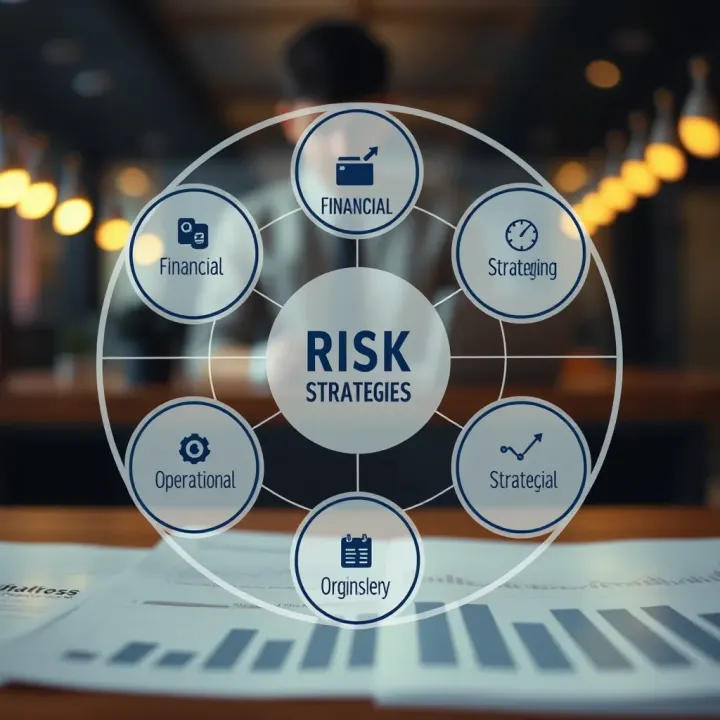
Market Risk: This arises from fluctuations in the stock market, foreign exchange rates, or commodity prices. For example, a sudden drop in the PSX (Pakistan Stock Exchange) or changes in dollar-rupee exchange rates can impact portfolios directly.
Credit Risk: When banks or financial institutions lend money or offer credit, the chance that borrowers default becomes a concern. Analysts must assess the borrower’s creditworthiness accurately to avoid non-performing loans.
Operational Risk: This covers failures in internal systems or processes, like software glitches in trading platforms or delays due to loadshedding affecting office functioning.
Liquidity Risk: The risk of not being able to buy or sell assets quickly without significant price changes. This is crucial in Pakistan’s smaller markets or low-volume stocks.
Legal and Regulatory Risk: Changes in financial regulations by bodies such as SECP or SBP can affect compliance costs or market operations. For traders dealing in crypto, PTA’s regulations are an example of this risk.
Risk management isn’t about avoiding risk altogether — it’s about knowing how much risk you can afford and planning accordingly. Investors often diversify their portfolio across sectors and asset types to minimize impacts from any one area.
A balanced approach to risk keeps potential losses manageable and lets you seize opportunities confidently.
Practical steps include:
Defining clear investment goals and risk tolerance.
Regularly assessing market conditions and adjusting positions.
Using stop-loss orders and hedging instruments.
Staying updated on regulatory changes in Pakistan’s financial environment.
Knowing how to handle various risks helps in developing strategies that are both resilient and flexible, essential for Pakistan’s dynamic market landscape.
Understanding fundamentals of risk management helps traders and investors anticipate problems before they turn costly. In Pakistan’s dynamic markets, this clarity aids in making informed decisions to protect portfolios from unpredictable factors like political shifts or currency fluctuations.
Risk management refers to the process of spotting, assessing, and responding to potential threats that could disrupt financial goals. For instance, a stockbroker might use stop-loss orders to limit losses when the market moves against their position. This practical approach focuses on minimising damage rather than eliminating risk altogether.
Effectively managing risk means creating plans for how to react when challenges arise, ensuring that losses stay within an acceptable range. This can include diversifying investments or purchasing insurance against specific hazards.
In the business world, risk management shields companies from unexpected shocks, like currency devaluation or regulatory changes by the Securities and Exchange Commission of Pakistan (SECP). These risks, if ignored, can lead to serious financial setbacks.
Beyond business, everyday decisions—from saving money to commuting during monsoon floods—involve risk considerations. Farmers, for example, may hedge against weather risks by investing in crop insurance, reducing potential income losses.

Identifying risks means understanding what could go wrong. In Pakistan’s stock market, this includes noting political unrest, inflation spikes, or sudden changes in oil prices affecting energy stocks. Successful risk management starts here, as overlooking risks can lead to unpreparedness.
A crypto enthusiast might recognise risks such as hacking or regulatory crackdowns by the Pakistan Telecommunication Authority (PTA). Spotting these early helps avoid major financial hits.
Once risks are identified, assessing their potential impact and probability is vital. For example, currency depreciation during a balance of payments crisis poses a high-impact but uncertain risk. An investor may assign a likelihood based on current economic trends and past events.
This evaluation guides resource allocation — like focusing more on protecting investments sensitive to volatility while accepting minor risks in less critical areas. Measuring risk quantitatively, such as calculating Value at Risk (VaR), helps in setting limits on potential losses.
Effective risk identification combined with precise assessment forms the backbone of strong financial decision-making. Without it, traders and investors expose themselves to unnecessary uncertainty.
Risk management helps expect and reduce losses from market uncertainties.
Identifying risks early—political, economic, technological—prepares you better.
Assessing risk likelihood and impact makes handling threats manageable.
In the context of Pakistani financial markets, mastering these fundamentals equips investors and traders with tools to navigate volatile conditions confidently and smartly.
Understanding the main types of risk management helps businesses and investors identify the right focus areas for protecting their assets and operations. Each type targets specific threats, allowing firms to apply practical controls, avoid losses, and seize opportunities with confidence. For traders and investors in Pakistan, knowing these risk management types can guide smarter decisions in a market influenced by currency swings, political uncertainties, and regulatory shifts.
Managing market and credit risks means tackling the dangers that come with fluctuations in asset prices, currency rates, interest rates, and the likelihood that borrowers might default on their loans. For example, a stockbroker dealing with foreign investment portfolios must consider exchange rate changes between the PKR and USD which directly affect returns. Similarly, banks in Pakistan carefully track credit risk by assessing clients' repayment abilities to avoid bad loans.
Tools like hedging and insurance provide practical ways to shield against such risks. Hedging involves using financial instruments—like futures, options, or swaps—to offset potential losses from market movements. Pakistani exporters, for instance, often hedge currency risk to protect their earnings from volatile exchange rates. Insurance, on the other hand, covers unexpected financial losses. Businesses in Karachi may buy insurance policies to protect against fire or theft, ensuring that operational disruptions do not lead to severe monetary damage.
Operational risk concerns losses from internal business failures such as process breakdowns, human errors, or infrastructure issues. For example, a power outage in a textile mill due to loadshedding can halt production, leading to missed orders and revenue loss. Managing these risks involves designing robust processes, employee training, and backup systems to reduce the chance of such disruptions.
In Pakistani industries, operational risks are quite common given the frequent energy shortages and supply chain challenges. The manufacturing sector often faces delays because of transport bottlenecks or raw material shortages, while the banking sector must manage risks related to cyber threats or faulty software. Practical operational risk management includes regularly updating equipment, implementing strict security protocols, and maintaining strong vendor relationships.
This type focuses on risks linked to long-term company objectives and market positioning. Firms face strategic risks when their plans don’t align with market realities or consumer preferences, which can cause lost market share or damaged reputation. For example, a Pakistani telecom company investing heavily in 3G technology while competitors move to 4G may fall behind.
Aligning strategy with risk appetite means setting clear boundaries on how much risk an organisation is willing to take while pursuing its goals. This balance ensures that decisions support sustainable growth without exposing the business to avoidable threats. For example, an investment firm in Islamabad might avoid high-volatility stocks if its clients prefer steady, low-risk returns. Such strategic alignment keeps the company resilient and focused.
Effectively managing these different types of risk equips traders, investors, and business leaders in Pakistan to make informed choices that safeguard wealth and support growth amid uncertainty.
Specialised areas of risk management focus on targeted concerns beyond general financial or operational risks. These areas deal with compliance, legal frameworks, and reputation—issues that can quickly escalate and cause significant damage if not managed properly. In Pakistan's evolving business and regulatory environment, understanding these specialised risks helps traders, investors, and financial analysts protect their interests effectively.
Dealing with regulatory changes requires constant vigilance. Pakistani businesses face shifting rules from regulatory bodies like the Securities and Exchange Commission of Pakistan (SECP), Federal Board of Revenue (FBR), and Pakistan Telecommunication Authority (PTA). Staying updated ensures companies don’t fall foul of new laws or policies that could affect licences, taxation, or reporting requirements.
For example, tax compliance is critical during financial year-end, where even small errors in FBR e-filing can lead to fines or audits. Traders and investors must monitor such regulatory changes carefully since non-compliance can disrupt operations or restrict investment options.
Avoiding penalties and legal action extends beyond paperwork. Firms need solid internal controls to ensure contracts, labour laws, and corporate governance meet legal standards. Ignoring these risks can lead to hefty fines, lawsuits, or business bans. For instance, a brokerage failing to comply with SECP’s regulations on client money custody might face suspension, damaging both reputation and finances.
Proactive legal risk management means working with legal experts to review agreements, monitor compliance, and train staff. This reduces the chance of costly disputes or regulatory interventions.
Protecting brand and public image is vital in today’s connected world. A single complaint or scandal on social media can spread widely and quickly damage trust among clients and investors. Companies must act promptly to manage information flow and public perception.
Besides social media, reputational risk can come from product failures, unethical practices, or poor customer service. For financial entities, transparency about fees and policies builds confidence, while any breach or misleading information can trigger backlash from customers and regulators.
Several Pakistani firms have faced reputational challenges. One well-known example is a local bank that faced criticism due to data breach reports, causing customers to reconsider their trust and prompting tighter data security practices. Another case involved a telecom company fined for misleading advertisements, directly impacting its brand.
These cases highlight how reputational risk management involves not only crisis response but also long-term commitment to ethical standards, customer communication, and compliance with advertising rules.
Managing specialised risks like compliance and reputation not only safeguards a firm's current standing but also ensures sustainable growth in Pakistan’s dynamic market.
Understanding these specialised risk areas arms stakeholders with better tools to anticipate and respond to unique threats. For traders and investors, the lesson is clear: watching the legal landscape and public sentiment closely can make a decisive difference.
Managing risks effectively depends largely on the methods and tools chosen to tackle them. These approaches are not just theoretical—they directly impact how businesses and investors in Pakistan protect their interests and maintain stability amid uncertainties like market volatility or sudden policy shifts. Practical risk management combines smart strategies with technological support to spot problems early, control damage, and even turn risks into opportunities.
Four main techniques help manage risks: avoidance, reduction, sharing, and retention. Avoidance means steering clear of activities that carry unacceptable risk. For example, a Pakistani import business may avoid dealing with certain countries facing sanctions to prevent legal or financial troubles. Reduction involves steps to lessen the impact or probability of a risk. A textile factory might invest in better machinery maintenance to reduce breakdowns, which can disrupt production.
Sharing, on the other hand, spreads risk across other parties, often through insurance or joint ventures. Many exporters use marine insurance to share the risk of damage or loss during shipping. Finally, retention means accepting the risk but budgeting for potential costs—for instance, a small business might decide to retain minor risks like petty theft instead of spending heavily on security. Each technique has its place, and smart risk management involves choosing the right mix for the situation.
Continuous oversight ensures that risks don't catch businesses off-guard. Regular monitoring helps spot early warning signs—whether it’s shifts in stock prices, changes in regulations, or supply chain issues. For stockbrokers and investors in Pakistan’s markets, this means keeping an eye on PSX index movements, company announcements, and government policy changes that could affect investments. Frequent reporting keeps all stakeholders informed, enabling timely decisions.
Technology has become a game-changer in this area. From software that tracks market data in real-time to AI-based tools analysing financial news, modern risk control benefits greatly. Pakistani firms increasingly use platforms like Bloomberg Terminal or local data analytics services to monitor portfolio risks. Mobile apps offering push alerts allow traders to react quickly to sudden changes, such as currency fluctuations or political developments impacting markets.
Strong risk monitoring not only helps reduce losses but also uncovers emerging opportunities by keeping decision-makers well-informed and agile.
In short, integrating tried-and-tested mitigation techniques with technology-driven monitoring creates a robust risk management framework. This blend supports Pakistani traders, investors, and financial analysts in navigating complex market conditions with greater confidence and control.
Explore how risk management boosts decision-making, financial stability, compliance, and innovation, helping Pakistani businesses protect reputation and grow sustainably 📊✅
📊 Explore how actuarial science and risk management use stats, finance & tools to handle uncertainty in Pakistan's industries, offering key insights for pros & students.

Looking for the best trading app in Pakistan? Discover key features, security tips 🔒, cost factors 💰, and local market insights 📈 to trade smartly.

Looking for top Forex brokers in Pakistan? Discover tips on regulation, fees, platforms, and support to trade safely and smartly.💰📉📈
Based on 5 reviews