

Understanding Binary Fission in Simple Organisms
Explore how binary fission drives growth in prokaryotes, its key steps, variations, and impact on genetics and industry ⚛️🔬👩🔬
Edited By
Megan Brooks
Risk management is a must for anyone involved in trading, investing, or financial analysis. Whether you're managing a portfolio on the Pakistan Stock Exchange (PSX), dealing with volatile crypto assets, or analysing company performances, understanding the risk management process is key to protecting your capital and optimising returns.
At its core, risk management involves identifying potential threats that could affect your investments or business operations, assessing their impact, and putting plans in place to handle them effectively. This isn't about avoiding risk entirely—it's about recognising which risks you can tolerate and which ones could cause serious damage.
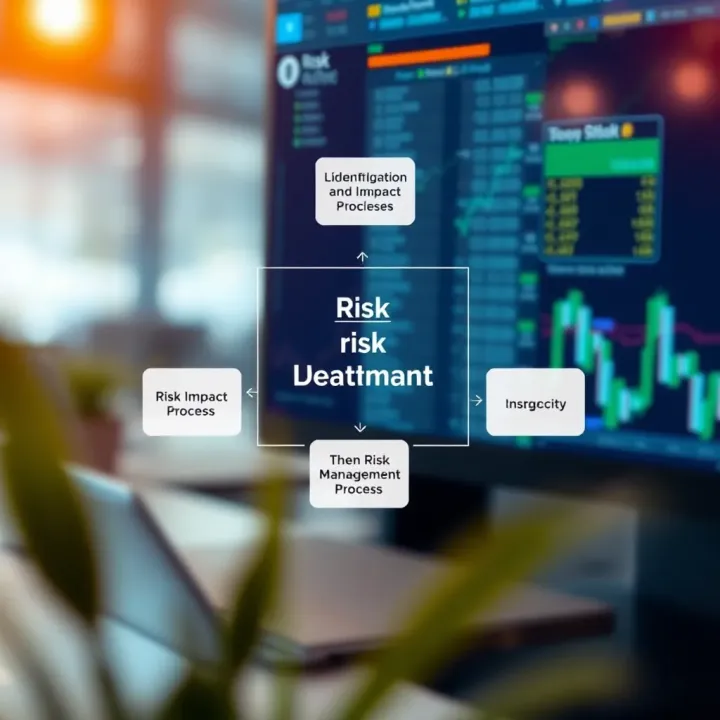
Consider a stockbroker in Karachi who notices increased market volatility due to political instability or foreign exchange fluctuations. By identifying this risk early, they can adjust client portfolios to reduce exposure to vulnerable sectors or currencies.
In Pakistan’s context, factors such as currency depreciation, sudden policy changes from the State Bank of Pakistan (SBP), or regional security issues often influence risk. A financial analyst working with companies linked to CPEC projects must factor in these variables to give accurate forecasts.
Effective risk management isn't a one-time checklist but a continuous cycle.
Understanding these steps helps:
Spot risks that are hidden or emerging
Understand how risks can affect your assets
Create response plans to either reduce or accept risks
Keep an eye on changes so plans can adapt swiftly
Practical strategies include using stop-loss orders for stock trades, diversifying crypto holdings across different coins, or conducting scenario analysis based on worst-case economic outcomes. For firms, this might also mean regular audits of operational risks like compliance or credit defaults.
By following a clear risk management process, individuals and businesses in Pakistan can be better prepared to face uncertainties in the market. This guide will break down the process into practical, easy-to-follow steps tailored for the local environment and challenges.
Risk management is essential for protecting businesses and individuals from unexpected setbacks, especially in Pakistan’s dynamic economic and regulatory environment. Whether you are trading stocks on the Pakistan Stock Exchange (PSX) or investing in crypto assets, understanding the risks involved helps you make wiser decisions and safeguard your investments.
Risk management involves recognising potential threats before they cause losses. It is not just about avoiding risks but managing them intelligently to reduce negative impact. For example, a trader might spot market volatility risks by keeping an eye on global oil prices, which strongly influence Pakistan’s economy. By anticipating such risks, they can adjust their portfolio to avoid heavy losses.
At its core, risk management balances risk and reward. It means accepting manageable risks while steering clear of hazards that can cause significant harm. This approach applies not only to financial markets but also to everyday business decisions and personal finance.
Having a clear, step-by-step risk management process is crucial. Without structure, decisions become reactionary and often ineffective. Consider a crypto investor who jumps into investments without evaluating the security measures of exchanges or market trends – this approach invites preventable losses.
A structured process ensures risks are identified, assessed, controlled, and monitored systematically. For instance, financial analysts in Karachi use risk registers—formal documents listing risks with their likelihood and impact—to prioritise issues and focus on the most critical ones.
A planned risk management approach not only minimises losses but also builds confidence, enabling traders and investors to seize opportunities without fear.
This methodical approach aligns risk handling with business goals and personal investment strategies. In Pakistan’s changing market, this clarity helps in adapting swiftly to shifts like rupee fluctuations, regulatory changes from the Securities and Exchange Commission of Pakistan (SECP), or sudden energy crises affecting business operations.
By applying these principles, individuals and businesses can move beyond guesswork, steering their financial journeys with more control and assurance.
The risk management process helps turn unknown threats into manageable parts. Whether you are a trader eyeing fluctuations in the PSX or a crypto enthusiast watching volatile coins, understanding these steps is key to protecting your investments. The process teaches how to spot risks, assess their seriousness, plan reactions, and keep an eye on outcomes for ongoing safety.
Recognising risks early can save businesses from sudden losses. Common methods include brainstorming sessions, checklists, and SWOT analysis — these tools help uncover what could go wrong. For example, a financial analyst might monitor changes in government policies or FX rates, while a stockbroker could track market sentiments influenced by global events.

In Pakistan, typical risks include economic instability, regulatory changes, and infrastructural issues like loadshedding. For instance, sudden shifts in SBP’s policy rates affect lending costs, impacting corporate earnings and stock valuations. Traders should also watch political developments or RBI’s announcements affecting cross-border trade.
Assigning likelihood and impact ratings helps prioritise what risks need urgent attention. A high-probability, high-impact risk like currency devaluation demands immediate response, while lower-impact ones can wait. For example, crypto investors may assess how probable a government ban is and its potential damage on assets.
Not all risks deserve equal focus. Prioritisation ensures resources address threats that could hurt portfolios most. Investors often prioritise risks affecting liquidity or compliance, as these have direct financial consequences. Employing risk matrices can help visualise and rank risks clearly.
Once risks are understood, deciding how to handle them matters. Avoidance means steering clear of risky instruments; reduction involves diversification or stop-loss orders; transfer could be insurance against fraud; acceptance is holding certain risks knowingly when benefits outweigh downsides.
Effective plans should fit local realities. For instance, a business facing loadshedding risk might invest in backup generators or solar power. Traders working with crypto might use secure wallets or limit exposure. Clear strategies keep responses actionable and timely.
Controls turn plans into action. This could mean updating accounting procedures, enforcing compliance checks, or monitoring real-time market changes. Controls help catch risks before they escalate.
A textile exporter might hedge currency risk using forward contracts, while a local brokerage firm employs IT security to avoid data breaches. On the personal side, investors keep secondary mobile SIMs verified with PTA rules to ensure communication.
Risk landscapes evolve quickly. Regular reviews spot new risks or shifts in existing ones. For example, sudden policy updates from FBR or SITETECH upgrades by PTA could affect operations. Staying alert avoids surprises.
As conditions change, so should risk plans. Continuous learning means updating risk registers and controls. A trader who ignored crypto’s regulatory risks before 2023 would need to adapt strategies fast now.
"Risk management is not a one-off task—it's an ongoing cycle that every investor or business in Pakistan must practice to stay ahead in unpredictable markets."
Effective risk management demands more than just knowing the steps; using the right tools and techniques helps keep everything organised and actionable. Without proper tools, tracking risks, analysing them, and adjusting your strategies can get overwhelming — especially for traders and investors dealing with fast-moving markets like the Pakistan Stock Exchange (PSX) or crypto platforms.
A risk register is the backbone of practical risk management. It's essentially a central document or spreadsheet that lists identified risks along with their details—such as likelihood, potential impact, assigned owners, and mitigation plans. This single source of truth helps teams or individuals monitor risks systematically, ensuring nothing slips through the cracks.
For example, a stockbroker keeping a risk register can record market volatility alerts, political developments affecting sectors, or currency fluctuations impacting foreign investments. It enables quick reference and timely updates, making responses efficient rather than reactive. In Pakistani businesses, risk registers are vital to manage operational, financial, and regulatory risks effectively.
In recent years, risk management software has become more accessible for Pakistani businesses and financial professionals. Platforms like Microsoft Excel remain popular for risk registers, but more specialised tools such as Oracle Risk Management Cloud and SAP Risk Management are gradually entering the market, especially among larger firms. These platforms offer automation, real-time dashboards, and integration with financial data that help investors and analysts monitor risks dynamically.
Moreover, local fintech startups are developing tailored solutions that align with Pakistan’s regulatory environment and market needs. These technology tools are particularly useful for financial analysts tracking exposures in currency, equity, and commodity markets, providing alerts and predictive analytics based on real-time data.
A Karachi-based investment firm recently adopted a customised risk management framework combining traditional tools with cloud-based software tailored for Pakistani markets. They integrated political risk indicators and macroeconomic data relevant to the rupee’s exchange rate, allowing portfolio managers to adjust asset allocation promptly.
Similarly, a Lahore-based textile exporter uses software to track risks related to supply chain disruptions caused by monsoon flooding and power outages. Incorporating these tools helps the company plan contingency measures well in advance, reducing potential financial losses.
Tools like risk registers and specialised software make risk management clearer and more manageable. For traders, investors, or businesses in Pakistan, these instruments provide a practical way to stay ahead of risks in uncertain markets.
Using the right tools effectively can transform risk from a vague threat into something you can identify, measure, and control.
Risk management is essential for traders, investors, and financial analysts, but facing challenges during its implementation is common. Understanding these challenges helps in developing best practices that improve decision-making and reduce losses in volatile markets like Pakistan’s. Practical strategies for overcoming obstacles make risk management more effective and sustainable.
Resource constraints, such as limited capital, technology, or skilled personnel, often hinder effective risk management. For example, many small brokerage firms in Pakistan lack access to advanced risk assessment software, which limits their ability to accurately forecast market risks. Additionally, budget limits can restrict investments in training staff to identify or mitigate emerging threats. When resources are scarce, prioritising critical risks becomes necessary to make the most effective use of available assets.
Traders working with tight capital or individual investors often struggle with managing risks without overextending themselves financially. This situation requires careful balancing between potential gains and losses, especially in a market affected by currency fluctuations, political instability, and regulatory changes. Without sufficient resources, risk strategies might end up reactive rather than proactive, increasing vulnerability.
Cultural attitudes towards risk within organisations can obstruct proper risk management. In many Pakistani firms, risk-taking is sometimes either discouraged sharply or undertaken without full analysis due to a fear of failure or pressure for quick results. This leads to insufficient risk assessment and hurried decisions that overlook potential downsides.
Moreover, hierarchical organisational structures may block open communication about risks. When junior team members hesitate to raise concerns to senior management, key risks can go unnoticed until they escalate. Organisations need to develop a culture that values transparency and constructive feedback to overcome these barriers and create an environment where risk management is integrated into daily workflows.
Involving all relevant stakeholders, from traders to senior management and clients, strengthens risk management. Collaboration shares diverse perspectives, which uncovers overlooked risks and develops more balanced responses. For example, a Pakistani investment firm may involve portfolio managers, compliance officers, and IT specialists to jointly address cybersecurity threats and market risks.
Engagement also ensures accountability and timely action. When everyone understands their role in managing risk, delays in response reduce, safeguarding investments more efficiently. Regular meetings and transparent reporting promote this inclusive approach, making risk management a shared responsibility rather than a single department’s duty.
Clear communication and active stakeholder involvement turn risk management into a collective effort, increasing its accuracy and robustness.
Markets are always evolving, so risk management must evolve too. Continuous learning through training programmes, market reviews, and analysing past mistakes help traders and analysts adapt their strategies. In Pakistan’s fast-changing economic environment, staying updated with regulatory changes from SECP or FBR guidelines can prevent costly compliance risks.
Implementing feedback loops where new data shapes ongoing risk assessments improves accuracy. For instance, a brokerage adapting its algorithm for equity trading after reviewing recent losses is practising continuous improvement. This helps catch emerging threats earlier and refine risk controls before they escalate.
By embedding ongoing education and review into organisational routines, firms become resilient and capable of managing uncertainty effectively.
This approach to recognising challenges and promoting best practices ensures risk management stays practical and relevant, especially for financial professionals navigating Pakistan's unique market complexities.
Explore how binary fission drives growth in prokaryotes, its key steps, variations, and impact on genetics and industry ⚛️🔬👩🔬
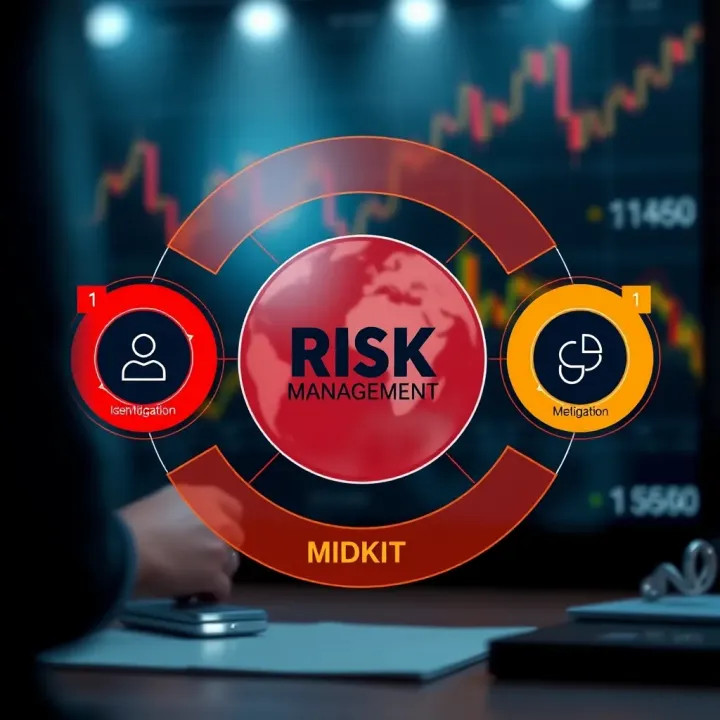
Explore how risk management boosts decision-making, financial stability, compliance, and innovation, helping Pakistani businesses protect reputation and grow sustainably 📊✅
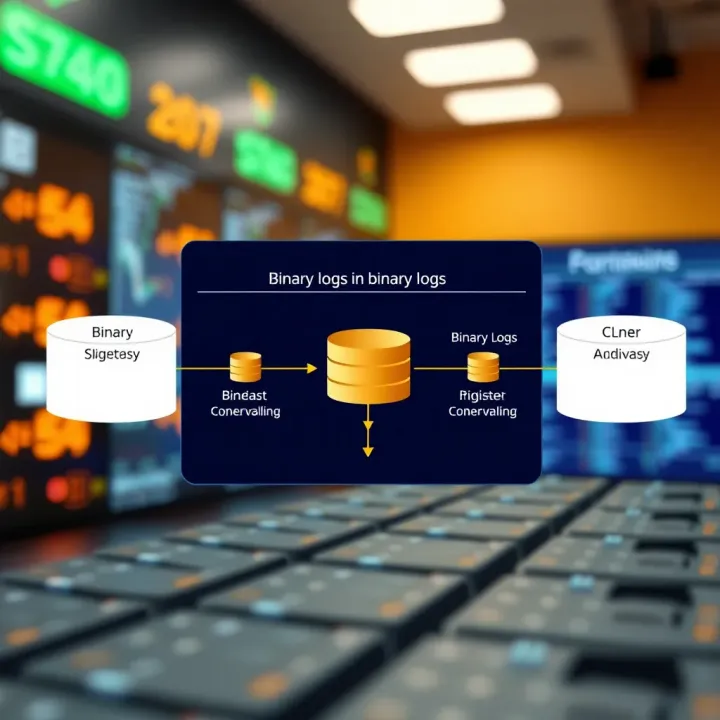
🔍 Learn how binary logs in database management support data recovery, replication, and auditing in Pakistan. Discover practical tips for secure, efficient handling.
📊 Explore how actuarial science and risk management use stats, finance & tools to handle uncertainty in Pakistan's industries, offering key insights for pros & students.
Based on 12 reviews