
Binary Option Trading Guide for Pakistani Traders
📊 Understand binary option trading in Pakistan: key concepts, risks, strategies, regulations, and tips to trade smart and protect your investments.
Edited By
Edward Hughes
Options trading can seem like trying to crack a secret code without a key. But at its core, it’s about understanding rights — specifically, the right to buy or sell an asset at a set price before a certain date. Unlike stocks, which represent ownership in a company, options give you the flexibility to take different positions using less capital.
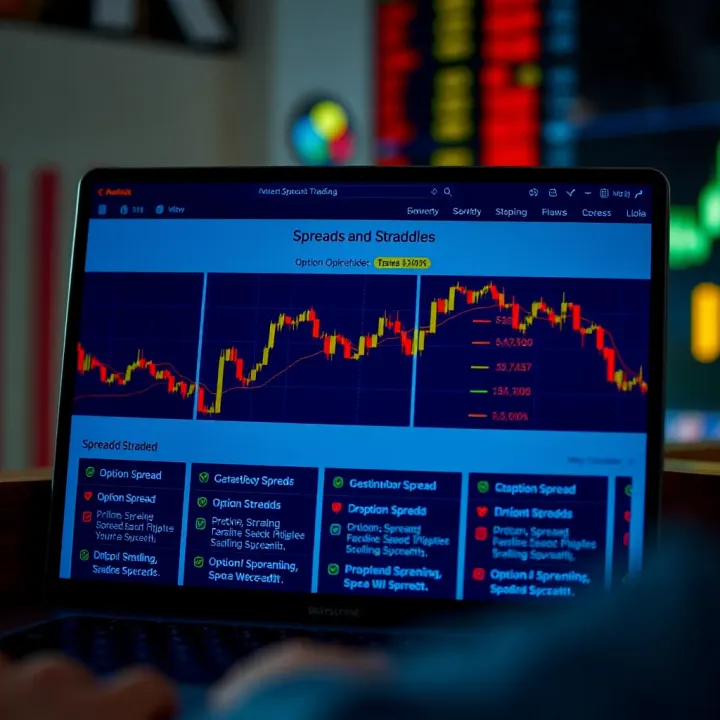
Calls and Puts: A call option lets you buy an asset, while a put allows you to sell one. This distinction sets the tone for most strategies.
Strike Price: This is the price at which you can exercise your right.
Expiration Date: Options lose value over time, so when they expire affects their worth heavily.
Premium: This is the price you pay to buy the option itself.
It’s essential to grasp that options aren’t just for betting on stocks going up or down. They’re powerful tools for managing risk and enhancing returns.
Say you’re bullish on Tesla stock trading around $700 but want to limit upfront risk. Instead of buying 100 shares for $70,000, you could buy a call option with a strike at $720 expiring next month for $15 per share (or $1,500 total). If Tesla climbs to $750, the call’s value might rise substantially, letting you profit without a huge cash outlay. But if Tesla drops below $720, you lose only the premium paid.
Experts don’t just buy options blindly. They:
Analyze volatility to find attractive premiums
Use spreads (buying and selling multiple options simultaneously) to reduce risk
Adjust positions as market conditions change, avoiding one-size-fits-all approaches
Understanding these fundamentals is your first step. Without solid grounding, you risk costly mistakes with options.
In the coming sections, you’ll see how to read market signals, select the right strategies for different environments, and smartly manage risk to keep your portfolio resilient.
Grasping the basics of option trading lays the groundwork for any serious trader. Options aren't just another investment tool; they offer unique ways to profit, hedge risks, or generate income. Without a solid understanding of the core terms and market mechanics, traders might find themselves making costly mistakes or missing out on profitable moves.
Calls give a trader the right to buy an asset at a set price before a certain date, hoping the price will rise. For example, if you expect Apple’s stock to climb, buying a call option lets you potentially profit from that increase without purchasing the stock outright. Puts, on the other hand, offer the right to sell at a specific price, often used when anticipating a decline or to hedge existing holdings. Picking between calls and puts depends on your market view and strategy.
The strike price is where the option can be exercised to buy or sell the underlying asset — a crucial number for profitability. With an Apple call at $150 strike, the stock must rise above $150 to profit at expiration. The expiration date sets the option’s lifespan. Strategies will differ if you’re eyeing a short-term event like earnings or playing a longer trend. Timing matters: choose expirations wisely to balance cost and flexibility.
An option’s price includes intrinsic and extrinsic parts. Intrinsic value is the straightforward difference between the stock price and strike price — if it benefits the holder immediately. For instance, a call option with a $100 strike when the stock trades at $110 has $10 intrinsic value. Extrinsic value covers time, volatility, and other factors beyond immediate profit. Understanding these helps you gauge whether an option is overpriced or offers room to earn before expiration.
The Greeks measure how various factors affect an option’s price. Delta tells how much the option price moves with the stock price — a call with a delta of 0.6 should rise 60 cents if the stock goes up $1. Gamma tracks how delta changes, helping anticipate price shifts. Theta represents time decay; options lose value daily if the market stays still, which can bite short-term traders. Vega captures the influence of implied volatility — an increase often raises option premiums. Watching the Greeks guides smarter entries, adjustments, and exits.
Options trade on dedicated exchanges like CBOE or NASDAQ OMX PHLX, where buyers and sellers meet under regulated rules. Orders can be market, limit, or stop — knowing these helps control trade execution. For example, a limit order sets the max price you’re willing to pay, avoiding surprises in volatile markets. Using the right order type can save money and avoid missed chances.
Liquidity affects how easily you can enter or exit positions. Highly liquid contracts, like SPY options, feature narrow bid-ask spreads and smaller price impact when trading. Illiquid options might have wide spreads, meaning you pay more to get in and lose value when exiting. Checking volume and open interest before trading saves frustration and slippage.
Implied volatility (IV) reflects the market's forecast of how much the stock might move. It’s baked into option prices: higher IV means pricier options. Traders use IV to identify potentially overvalued or undervalued contracts. For example, IV often spikes before earnings, inflating option premiums—it might be wise to sell options then or avoid buying at the peak. Grasping IV dynamics helps in timing trades and setting realistic profit targets.
Knowing the fundamentals isn’t just theory — it’s what keeps serious traders from flying blind. Master these basics, and you’ll start trading options with confidence and clear purpose.
Choosing the right option trading strategy depends heavily on understanding the current market environment. Without this, even the best strategies might backfire. Knowing whether markets lean bullish, bearish, or neutral can guide you to pick tactics that match prevailing trends. Plus, grasping volatility—how choppy prices get—helps decide the right timing and type of options, cutting down risk and boosting potential gains.
Historical volatility measures how much an asset’s price actually moved over a past period. Think of it as the rearview mirror, showing you what happened. Implied volatility, on the other hand, reflects the market's expectation of future price swings, priced into options now. It acts more like a forecast.
Knowing the difference matters because high implied volatility often means options cost more due to expected big moves, potentially making strategies like buying options expensive. For example, if a stock historically swings 1% daily but its options imply 3% movement ahead, you might be paying a premium for uncertainty. Traders often sell options in high implied volatility scenarios to collect that premium, expecting volatility to drop back down.
Markets that consistently rise indicate bullish conditions, pointing traders toward strategies like buying calls or bull spreads to profit from upside moves. Conversely, when prices trend down, bearish markets favor buying puts or bear spreads. Neutral markets, where prices swing within a range, suggest using strategies like straddles or iron condors that profit from sideways action.
Spotting these trends involves looking at moving averages, trend lines, and volume. If Apple’s shares keep bouncing above $150 with higher volume on up days, that signals bullish momentum. Aligning your strategy with market mood reduces guesswork and positions you for better outcomes.
Short-term options, expiring within days or weeks, are more sensitive to sudden news and volatility changes. They can offer quick gains but carry higher risk since time decay accelerates rapidly. For instance, a trader might buy a short-term call before a product launch but must be spot-on with timing.
Long-term options, often called LEAPS, expire months or years away. They cost more but lose value slower over time, suiting traders who expect gradual moves or want to hedge long-term positions. A conservative investor bullish on Tesla might buy a LEAPS call to capture growth over a year without daily worry.
Earnings releases, FDA approvals, or economic reports can cause sharp price moves and volatility spikes. Trading options around these events demands caution and strategy adjustments. Buying options before earnings might lead to paying a high volatility premium, while selling options can capitalize on the eventual drop in implied volatility after the event.
For example, a trader expecting a big move in Nvidia's stock after its quarterly report might buy a straddle (calls and puts) to profit regardless of direction. But they must balance potential reward against the elevated cost of options priced for a big surprise.
Understanding market conditions isn’t just helpful — it's essential. Aligning your option strategies with volatility, market trends, time frames, and events improves the odds that trades will pay off rather than drain your capital.
Core option trading strategies are the backbone of advanced trading, helping serious traders tailor their moves to fit specific market conditions and risk appetites. These strategies go beyond simple buy-and-hold plays, offering a toolkit for managing exposure, profiting from various market trends, and controlling risk. For example, knowing when to buy a call or a put lets traders position themselves for expected price moves, while spread strategies provide a safety net by limiting potential losses.
Understanding these strategies is essential because they unlock ways to work the market efficiently. For instance, a directional strategy like buying calls profits only if the underlying asset moves up significantly, while spreads can generate returns under more nuanced scenarios. Experts often combine multiple strategies to adapt, hedge, or amplify positions, rather than betting on a single market movement.
Directional strategies revolve around the expectation that a stock will move in a particular direction within a set time frame. Buying a call option makes sense when you expect a sharp price increase. Imagine a tech company about to release a new gadget; if you expect the stock to surge, buying calls allows you to benefit from the upside while risking only the premium paid.
Conversely, buying puts is a way to bet on a decline. Suppose there's looming uncertainty around a company’s earnings or a regulatory shakeup; purchasing put options can protect your portfolio or profit from the expected drop. This direct approach appeals for its simplicity and leverage, but it requires accurate timing and market prediction.
The main benefit of directional buying is the asymmetric risk-to-reward profile. You risk only the premium, but your gain can multiply many times over if the market moves your way. It's a straightforward way to access leverage.
That said, risks are clear. Options expire worthless if the expected move doesn’t occur before expiration, wiping out your investment. Timing is crucial. For example, buying calls on a volatility spike without market follow-through can lead to a quick loss. Plus, premiums can be pricey during high volatility, eating into profits.
Vertical spreads involve buying and selling options at different strike prices but with the same expiration date. This strategy limits risk compared to naked calls or puts.
A bull call spread, for example, buys a lower strike call and sells a higher strike call simultaneously. If the stock climbs moderately, you profit within a defined range while paying less premium upfront. In contrast, bear put spreads do the opposite, profiting from declines but capping losses and gains. This balance appeals to traders wary of outright bets but who still expect clear directional moves.
Calendar spreads use options with the same strike price but different expiration dates. This strategy profits from the difference in time decay between short- and long-term options, often used in sideways markets or when expecting volatility shifts.
Diagonal spreads mix strike price and expiration date differences, allowing more tailored exposure to directional moves and time decay. For example, a trader expecting a mild uptrend might buy a longer-dated call and sell a nearer-dated call at a higher strike, capturing premium while maintaining upside potential.
Straddles and strangles bet on volatility itself, not direction. By buying both a call and put with the same (straddle) or different strikes (strangle), traders profit when the stock makes a big move either way.
This is practical ahead of events like earnings or FDA decisions that could swing the price unpredictably. It’s a way to hedge uncertain direction while still seeking gains.
These strategies come at a higher upfront cost since you’re buying multiple options, and they can lose value quickly if the stock stagnates. For instance, a straddle on a $100 stock might cost $8 total; if the stock stays near $100, time decay erodes the premium fast.
Smart traders weigh this cost against expected volatility. Sometimes, they adjust by selling other options or waiting to buy when implied volatility is lower to reduce their investment. The goal is balancing risk, reward, and cost to make volatility work in your favor without blowing up your account.
Mastering core option strategies equips you to handle different market scenarios confidently, turning market moves into opportunities while managing risks effectively.
The bottom line is these strategies form a solid foundation for serious option trading, giving you the tools to adapt and refine your approach as market conditions shift.
Risk control and position management stand as the backbone of successful option trading. Without a clear plan to manage losses and adjust positions, even well-researched trades can quickly erode your capital. Solid risk control helps you protect your trading budget while keeping your emotions in check—a critical factor when markets move fast and unpredictably.
Every trader should know exactly how much they're willing to lose on a single option trade before pulling the trigger. This "maximum acceptable loss" acts like your safety net, preventing catastrophic hits to your portfolio. For example, if you decide you can tolerate a 5% loss on your total capital, set your stop orders accordingly to exit losing trades before that threshold is breached.
Clearly defining this limit lets you trade without worrying about unexpected wipeouts. It forces discipline and helps avoid chasing losses when the market goes against your position. Without this constraint, many traders end up holding bad options for too long, hoping for a turnaround that might never come.
Option trading isn't a set-it-and-forget-it game. Market conditions change, and so should your positions. Adjusting your trade might involve rolling an option—closing a current contract and opening a new one with a different strike or expiration—or closing a losing leg to reduce risk. For instance, if you bought a call option expecting a price jump but the stock stalls, you might roll the call to a later expiration to give your prediction more time.
Exiting strategies are equally vital. Use limit orders to lock in profits or cut losses at preset prices rather than guessing when to act. Reacting emotionally near expiration can lead to hasty decisions. Setting clear exit points beforehand helps keep your strategy objective and focused.
Don’t put all your eggs in one basket. Spreading your option trades across different stocks, sectors, or indexes reduces your risk exposure. If one sector tanks due to unexpected news, your entire portfolio won't follow. For example, holding options in both technology and energy sectors can balance out sector-specific shocks.
Diversification also prevents overreliance on a single asset’s volatility pattern. It’s especially useful for traders juggling non-directional strategies who depend on volatility swings rather than price moves.
Mixing option strategies—like combining spreads with straddles—can stabilize returns and manage risks effectively. For instance, a trader might use vertical spreads to limit downside risk while deploying straddles selectively to capitalize on expected volatility spikes.
Balancing strategies means you're not overly exposed to one market move or scenario. If the market is flat, your straddle gains might offset losses from directional bets that didn't pan out. This balance requires close monitoring and occasional rebalancing but helps smooth out the ups and downs inherent in option trading.
Effective risk control and careful position management let you trade with confidence, knowing you have safeguards in place that protect your capital and give you room to take calculated risks.
Bottom line: controlling losses, adjusting trades strategically, diversifying assets, and balancing strategies form a solid defense in the option trader’s toolkit. These practices keep you in the game longer and improve your chances to thrive amidst market volatility.
Option trading is complex, and having the right tools can make a real difference in your success. Smart traders rely on analytics platforms, market data, and news sources to stay on top of their trades and spot promising opportunities before others. These resources help you break down market noise, assess risk, and plan your strategies with more confidence and precision.
Analytics platforms like Thinkorswim, E*TRADE, and Interactive Brokers offer powerful screening tools that filter options based on criteria like implied volatility, open interest, and price ranges. This saves time and highlights trade setups that meet your strategy’s needs. For example, if you want to find highly liquid options on tech stocks with high implied volatility ahead of earnings, these screeners do the heavy lifting so you don't waste hours combing through data manually.
Screening isn’t just about spotting potential losers or winners; it helps you assess if an option's price reflects the risk and expected move. By adjusting filters dynamically, you can discover less obvious plays—like undervalued covered call opportunities or cheap vertical spreads—instead of sticking to just popular tickers.
Simulating trades before putting real money on the line is a must. Platforms like Thinkorswim and tastyworks include trade simulators that show potential profit and loss across different scenarios. You can tweak strike prices, expiration dates, and underlying price moves to see how your position might behave.
For instance, say you want to test a calendar spread on a stock like Tesla before earnings. The simulation lets you evaluate how theta decay impacts your position or how a sudden price jump might eat into profits. This isn’t gambling; it’s about understanding risk-reward clearly. Running these 'what-if' scenarios often uncovers hidden risks or confirms a strategy’s fit with your risk tolerance.
Earnings seasons send shockwaves through option prices. Following accurate earnings calendars helps you anticipate volatility spikes and plan trades that capture expected moves—or protect against them. Services like Nasdaq’s earnings calendar or MarketWatch’s schedule keep you updated on key dates.
Knowing when a company reports earnings lets you avoid unscheduled surprises or set up strategies like straddles to profit from sharp moves. Say you notice Apple’s earnings on a Thursday after market close; you might decide to buy calls a few days before or sell puts just after to capitalize on inflated premium.
Broader economic data—like Fed decisions, unemployment numbers, and CPI reports—dramatically sway market sentiment and option pricing. Traders who track economic calendars know when implied volatility is likely to rise or fall across sectors.
For example, a higher-than-expected inflation report often rattles tech stocks, pushing their options premiums higher as traders brace for turbulence. Keeping an eye on these indicators helps you adjust your positions, avoid overexposure, or position for market moves effectively.
The bottom line is clear: combining smart tools with timely market data gives you an edge. Utilizing analytics platforms to screen and simulate trades while staying in sync with earnings and economic indicators keeps your option trading sharp and informed.
📊 Understand binary option trading in Pakistan: key concepts, risks, strategies, regulations, and tips to trade smart and protect your investments.
Learn how binary option trading works in Pakistan 🇵🇰, understand risks and rewards, key regulations, and practical strategies to trade wisely and securely 📈💡.

Find the perfect trading app tailored for you! Explore security, fees, usability & top picks for traders in Pakistan and worldwide 📱💹 Secure your trades smoothly.

📊 Explore how crypto trading works in Pakistan—learn key methods, profit strategies, and manage risks in this growing digital market for Rs lahks and crores.
Based on 6 reviews