
Gold Trading Rates in Pakistan: What You Need to Know
🔍 Understand how gold trading rates in Pakistan shift with local demand, global prices, and market trends. Get expert tips for safe trading and wise investments today.
Edited By
Alexander Reid
Gold prices don't just sit still; they change every moment during trading hours—this is what we call live international gold rates. These are the current market prices of gold quoted in various currencies and markets globally, reflecting its real-time value based on supply and demand.
Understanding live gold rates helps investors and traders decide the right time to buy or sell. For example, a trader watching the gold price in New York might see a different value than one in London due to time zone or currency differences.
Gold doesn’t move randomly—several key factors drive its price:
Currency Fluctuations: Since gold is priced in U.S. dollars internationally, a weaker dollar usually pushes gold prices higher because it costs less in other currencies.
Inflation Rates: When inflation rises, investors flock to gold as a hedge, boosting its price.
Geopolitical Events: Crises or political instability often increase gold’s appeal as a safe haven.
Interest Rates: Lower interest rates reduce the opportunity cost of holding gold, making it more attractive.
To keep tabs on live gold rates, you can use:
Financial news platforms like Bloomberg or CNBC
Dedicated commodities apps
Brokerage accounts offering real-time charts
实时追踪金价可以帮你抓住买入卖出的最佳时机,避免情绪化交易。(Translation: Tracking live gold rates can help you catch the best buying and selling moments and avoid emotional trading.)
If you're trading gold outside the U.S., fluctuations in your local currency against the dollar matter. For instance, if the euro weakens against the dollar but gold prices remain steady in dollars, it will seem more expensive in euros.
Live gold rates reflect market sentiment—rising prices often mean increasing demand or uncertainty. By watching trends alongside economic reports, you can make decisions based on actual data, not guesswork.
Bottom line: Knowing what moves gold's price and where to find reliable live data puts you in a stronger position, whether you’re investing, trading, or simply staying informed.
Understanding live international gold rates is essential for anyone involved in trading or investing in gold. These rates reflect the current price of gold in global markets, updating in real time as supply and demand shift. Whether you're a trader monitoring market swings or a financial analyst assessing asset portfolios, having access to live gold rates helps you make informed decisions without delay.
Live rates reveal the latest movement in gold prices influenced by economic news, currency fluctuations, and geopolitical events. For example, if a major central bank hints at raising interest rates, gold prices might immediately react. Missing such updates could mean buying or selling gold at less-than-ideal prices.
Gold rates indicate the price at which gold buys and sells in the market at any given moment. These prices usually quote in U.S. dollars per troy ounce but can vary by region with local currency conversions. Why do they matter? Because gold is both a commodity and a financial asset. It often serves as a hedge against inflation and currency risks, so knowing its price helps investors manage risk.
Think of gold rates as the pulse of a safe-haven asset. During economic uncertainty, gold prices tend to rise as investors seek stability, whereas in booming markets, demand might decline. For example, during uncertain times like global political conflicts or stock market drops, gold usually appreciates, making its live rate vital for timely investment moves.
Live gold prices update every second during market hours, reflecting immediate supply-demand changes across worldwide exchanges like COMEX and London Bullion Market Association (LBMA). In contrast, some price updates come delayed by minutes or hours, which can throw off traders needing precise timing.
Additionally, gold prices stand apart because they react to currency values, particularly the U.S. dollar. A dollar weakening against other currencies often pushes gold prices higher. This dynamic makes live gold rates unique compared to standard stock prices or bond yields, which depend more on company or government performance.
Bottom line: Live gold rates offer a direct window into global market sentiment and economic shifts, enabling investors and traders to act swiftly and strategically.
Knowing the ins and outs of live gold pricing lays the foundation for more advanced trading strategies and risk management, making the rest of this guide valuable for anyone serious about gold investment.
Gold prices don't just float aimlessly; they move based on a mix of economic realities and market vibes. Knowing what drives these rates helps you make smarter decisions whether you're trading, investing, or just keeping an eye out. Let's break down the key factors shaping gold prices globally.
Economic indicators serve as the pulse check for gold markets. Metrics like GDP growth, unemployment rates, and manufacturing data hint at the economy's health. For example, if U.S. job numbers come in weaker than expected, investors often flock to gold as a safe place to park their money. This demand usually pushes prices up. Conversely, strong economic growth can lower gold demand since stocks and other assets appear more appealing.
Inflation rates tie closely to this—they tell you whether the dollar’s buying power is shrinking. When inflation rises sharply, gold often acts like a hedge because its value tends to hold better than paper currency, leading to price hikes.
Gold trades primarily in U.S. dollars on international markets, so currency shifts hit prices hard. If the dollar weakens against other currencies like the euro or yen, gold becomes cheaper for holders of those currencies, often causing a spike in demand and prices. For instance, during mid-2022, the dollar slumped, and gold prices rose as investors looked for alternatives.
Inflation is another big player. When inflation eats away at money's value, people turn to gold to preserve wealth. That said, rising inflation expectations can lead to volatility since central banks might adjust interest rates to fight inflation, impacting gold differently under various scenarios.
Central banks hold huge gold reserves and influence markets through policies. When they decide to buy or sell gold, it can shift supply-demand balance. For example, if the Federal Reserve signals tightening monetary policy, interest rates may rise, making yield-bearing assets more attractive than gold, which doesn't pay interest itself.
Geopolitical tensions—like trade wars, conflicts, or sanctions—fuel uncertainty. During these moments, gold shines as a safe haven. The 2020 U.S.–China trade tensions and rising Middle East unrest pushed gold prices higher, as investors sought security amid instability.
Understanding these factors arms you to interpret gold price moves in real time, helping you act confidently rather than reacting emotionally.
In a nutshell, global economic data sets the stage, currency moves tweak the scene, and policies plus events direct how gold prices perform. Keeping these factors in mind lets you read the gold market like a pro, spotting opportunities and risks as they unfold.
Accessing live gold rate data is essential for anyone dealing with gold, whether you’re a trader, investor, or a financial analyst keeping tabs on market shifts. Real-time data equips you with up-to-the-minute information, enabling smarter decisions on buying or selling gold. Relying on delayed or outdated rates can cause missed opportunities or unexpected losses, especially when gold prices can shift rapidly following economic news or geopolitical events.
Beyond immediate decision-making, live gold rate data helps you spot trends and price movements, crucial if you're managing portfolios or advising clients. For example, if you track gold prices throughout the day and notice a sudden jump after a Federal Reserve announcement, you can act accordingly rather than wait for end-of-day reports.
Several platforms offer live gold price updates, catering to different user needs. Financial news sites like CNBC and Bloomberg provide up-to-date gold prices alongside market news and analysis. For more specialized tracking, services like Kitco and GoldPrice.org focus exclusively on precious metals with detailed charts and market commentary.
Investment apps such as Robinhood and E*TRADE also display live gold rates, especially if you’re engaging in gold ETFs or futures trading. These platforms allow seamless integration of live pricing into your trading activities.
If you prefer mobile access, apps like Investing.com offer customizable alerts and real-time tickers. This way, you stay informed wherever you are, not just in front of a computer screen.
Keep in mind: not all platforms display prices the same way. Some might show spot prices, others ask or bid prices. Understanding these differences is key to interpreting the data correctly.
Gold prices are quoted mainly by the Troy ounce and grams, two measurement units you’ll want to be comfortable with to interpret live data correctly. The Troy ounce is the industry standard in the U.S. and internationally, equating to about 31.1035 grams. When you see gold prices reported as $1,900 per Troy ounce, that’s the cost for approximately 31.1 grams of pure gold.
In contrast, some markets and jewelers quote gold prices by the gram, which is more intuitive for small purchases or international buyers. For instance, gold may be priced at $61 per gram; knowing that 1 Troy ounce equals roughly 31 grams helps you convert between the two easily.
Besides weight units, remember that gold purity also affects prices. Pure gold is 24 karats, but many products come in 22 karats or lower, so the quoted live rate may need adjustment when calculating actual purchase costs.
Summary: Accessing live gold prices gives you a real edge in trading and investing. Use reliable platforms like Bloomberg, Kitco, or Investing.com, and always be clear whether rates are given per Troy ounce or gram. This knowledge keeps you grounded in actual market conditions, not just raw numbers.
Live gold rates offer a real edge for both investors and everyday buyers. Knowing the current price helps you make informed decisions, whether you're trading gold futures or shopping for a necklace.
Investors rely on live gold prices to react quickly to market changes. Gold tends to spike when the economy looks shaky or the dollar weakens. For instance, during times of high inflation or geopolitical tension, the price can jump within minutes. Traders watching live rates can seize these moments, buying low and selling high to maximize profits.
Beyond day trading, those managing portfolios use live prices to balance assets. Say you hold stocks, bonds, and gold—you'll want to know when gold’s live price shifts enough to rebalance, reducing risk or locking gains. Ignoring live rates can mean missing timely moves that affect your bottom line.
For consumers buying physical gold like coins or bars, live pricing is key. Jewelers and dealers update prices throughout the day based on international market changes. Checking live rates before purchase avoids overpaying. Imagine you planned to buy gold jewelry, but didn’t realize prices had dropped 3%. Without live data, you'd pay a premium unnecessarily.
Timing your purchase also matters. Prices may fall after major financial reports or soar with global crises. Those with live rate alerts can choose when to buy, potentially saving hundreds or thousands depending on volume. This is especially useful during holiday seasons, when demand and prices tend to fluctuate more.
Staying updated with live gold rates empowers both investors and buyers to act with confidence, making sure they are not left behind when prices shift.
To get the most out of live rates, consider:
Setting alerts on trusted financial platforms for price thresholds
Comparing multiple dealers’ prices tied to live rates
Watching global news influencing gold prices
Ultimately, whether trading on Wall Street or shopping at a local gold store, live international gold rates can sharpen your timing and enhance decision-making.
Following market trends and forecasting gold prices play key roles for anyone involved with this metal, whether it's traders, investors, or financial analysts. Real-time gold rates only show the current moment, but understanding patterns can help you anticipate where prices are headed. This kind of insight supports smarter decisions and can reduce risks in a market known for its volatility.
Looking back at gold price history reveals cycles and behaviors that tend to repeat under similar circumstances. For example, during the 2008 financial crisis, gold prices surged as investors moved their money into safer assets. By studying such periods, you can spot how gold reacts to economic stress or inflation spikes. Charts and graphs mapping gold prices over months or years make it easier to identify trends like support and resistance levels, which traders use to decide when to buy or sell.
Historical data also sheds light on seasonal trends. For instance, certain months may consistently show stronger demand due to festivals or jewelry buying trends, impacting prices. Keeping a record of these movements helps avoid making decisions based solely on short-term fluctuations or hype.
Economic indicators such as inflation rates, unemployment numbers, and currency strength heavily influence gold prices. When inflation creeps up, gold often gains value since it’s seen as a hedge against rising prices. Conversely, a strong US dollar usually pushes gold prices down because gold becomes more expensive for holders of other currencies.
Global events—like political unrest, trade disputes, or central bank policy shifts—can spark sudden moves in gold prices. For example, when tensions rise in the Middle East or during unexpected Fed announcements, gold often jumps as uncertainty grows. It pays off to monitor such news alongside economic data to predict price changes before they happen.
Keeping an eye on both the numbers and the news provides a fuller picture than just watching price ticks. Combining historical trends with live economic signals offers a real edge.
To wrap it up, tracking market trends and forecasting gold price shifts requires blending charts, historical patterns, and up-to-the-minute economic data. Doing this well can mean the difference between catching profitable moves or chasing losses in gold trading and investing.
🔍 Understand how gold trading rates in Pakistan shift with local demand, global prices, and market trends. Get expert tips for safe trading and wise investments today.
📈 Explore live gold trading in Pakistan: market factors, price updates, reliable platforms, and expert tips to help you trade gold confidently and securely.
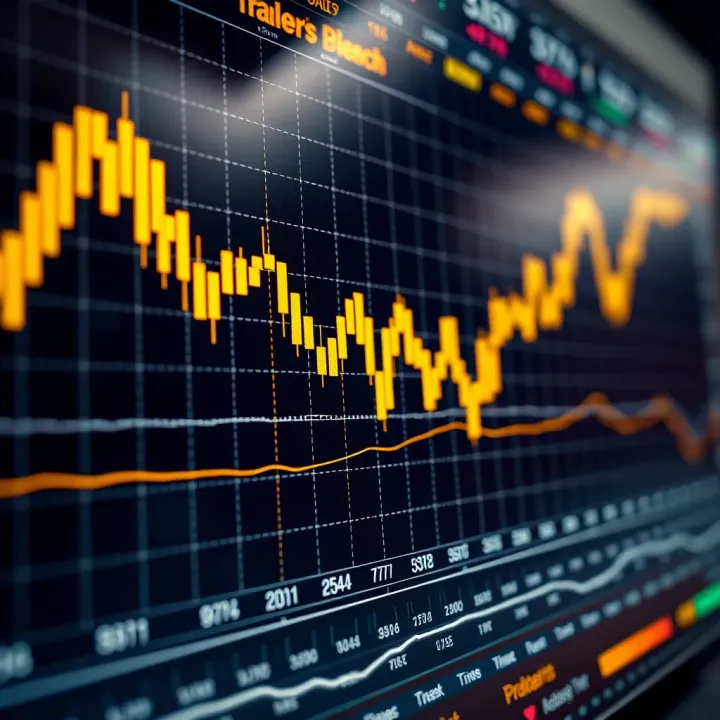
Explore live gold trading in Pakistan 📈: understand real-time markets, price factors, risks, and strategies to safeguard your investment and benefit from fluctuations.
Explore binary operations 🔄 in detail—definitions, key properties, and practical examples in math and computer science for a clear, hands-on understanding.
Based on 13 reviews