
Forex Trading Signals Guide for Pakistani Traders
📊 Discover how forex trading signals guide Pakistani traders with timely alerts, reliable providers, types of signals, risks, and tips for smart trading decisions.
Edited By
Charlotte Dawson
Forex trading, or foreign exchange trading, is buying and selling currencies on a global marketplace. Pakistani investors are increasingly drawn to forex as an option for diversifying their portfolios beyond stocks and real estate. The market operates 24 hours on weekdays, allowing flexibility for traders juggling daily commitments or different time zones.
Unlike investing in the Pakistan Stock Exchange (PSX), forex does not require large capital initially, but it requires solid understanding to avoid losses. Currencies are traded in pairs — for example, USD/PKR or EUR/USD — meaning you buy one currency and sell the other simultaneously. Pakistani rupee (PKR) plays a key role in local trading decisions, affected by political stability, government policies, and remittance flows.
This guide will walk you through practical steps to start forex trading safely while highlighting risks specific to Pakistan's economic environment. You’ll learn basic terms like pips, leverage, and lots, plus how to select a reliable broker regulated by the Securities and Exchange Commission of Pakistan (SECP) or international authorities.
Managing risk is important. Never invest money you cannot afford to lose. Use stop-loss orders and start with a demo account to build confidence.
Understand currency pairs and how exchange rates fluctuate
Choose brokers with transparent fees and Pakistan-friendly services
Keep tabs on local events like SBP policy announcements, which impact rupee value
Use Pakistani platforms like JazzCash or Easypaisa for fund transfers where supported
Learn basic risk management to protect your investment
With this foundation, you’re better prepared to explore forex trading with realistic expectations and practical tools. The next sections will break down technical concepts and show how they apply in the Pakistani context.
Understanding the forex market is a must for anyone serious about trading currencies in Pakistan. It’s not just about guessing price changes but knowing how this market functions gives you an edge. For instance, recognising who moves the market and why helps you avoid common mistakes and make smarter trading decisions.
The currency exchange process involves buying one currency while selling another simultaneously. This trade always happens in pairs, like USD/PKR or EUR/USD. Imagine you want to visit Dubai; you first need to exchange your Pakistani rupees for UAE dirhams — that’s forex trading at its simplest. On a larger scale, forex trading lets investors profit from these constant currency exchanges happening worldwide.
Purpose of forex trading varies according to participant. Some trade to hedge risks from international business deals, while others aim to profit from currency value fluctuations. For example, an exporter in Karachi may sell dollars to convert earnings into rupees in anticipation of currency appreciation, protecting against forex loss.
Central banks and governments influence forex heavily by managing reserves and setting policies. The State Bank of Pakistan (SBP), for example, intervenes occasionally to stabilise the rupee by buying or selling dollars. Such moves impact forex rates in Pakistan directly and frequently create trading opportunities for investors.
Commercial banks and financial institutions act as major players executing large currency trades for clients and themselves. Big banks in Karachi and Lahore often serve as liquidity providers, allowing retail and institutional traders to enter and exit positions smoothly.
Retail traders are individual investors like you who participate through online brokers. Although smaller in transaction size, retail traders form a large portion of global forex volume. In Pakistan, digital platforms like MetaTrader make forex accessible for beginners with modest capital.
Decentralised market structure means there’s no central exchange where currencies are traded. Instead, trading happens over-the-counter (OTC) through electronic networks. This gives forex its 24-hour nature, letting Pakistani traders operate any time across different sessions.
Major trading centres and time zones include London, New York, Tokyo, and Sydney, each opening at different hours. The London session overlaps with market activity in Karachi during the afternoon, making it usually the most volatile and liquid period. Knowing these time zones helps you time trades better and avoid low-activity phases where spreads widen.
Mastering the basics of how forex works and who influences it arms Pakistani investors with tools to trade sensibly and avoid pitfalls.
Understanding key terms in forex trading helps you avoid costly mistakes and navigate the market more confidently. It forms the foundation that lets you interpret price movements, assess risks, and make effective trade decisions. Let’s break down the crucial concepts you need to grasp before placing your first trade.
In forex, currencies are always traded in pairs—this shows the value of one currency against another. The first currency listed is the base currency, and the second is the quote currency. For example, in the USD/PKR pair, the dollar (USD) is the base, and the Pakistani rupee (PKR) is the quote. If the price reads 280, this means 1 USD equals 280 PKR. Understanding this directly impacts your trade position and profit calculation.
Currency pairs come in three types: major, minor, and exotic. Majors include the most traded currencies worldwide, like USD/EUR or USD/JPY—they usually offer tighter spreads and higher liquidity. Minors exclude the US dollar but involve strong economies, such as EUR/GBP or AUD/NZD. Exotic pairs combine a major currency with a less common one, like USD/TRY (Turkish Lira). In Pakistan, beginners often start with major pairs due to lower risk and ease of analysis.
A pip stands for "percentage in point" and measures the smallest price movement in a currency pair, typically the fourth decimal place. For instance, if USD/PKR moves from 280.00 to 280.01, that's one pip. Pips are the standard way to track profits and losses in forex trading.
Trades are executed in units called lots. A standard lot equals 100,000 units of the base currency. For beginners, mini lots (10,000 units) or micro lots (1,000 units) are more practical, letting you manage risk better without risking huge sums.
Leverage lets you control a large position with a smaller amount of actual capital (margin). For example, a 1:100 leverage means you can trade Rs 100,000 with only Rs 1,000 in your account. While leverage boosts potential profits, it also magnifies losses. Pakistani traders must use leverage carefully to avoid large drawdowns, especially since currency volatility can be high.
The bid-ask spread is the difference between the buying price (bid) and selling price (ask) a broker offers. This spread is essentially the broker’s fee and affects your entry cost. For popular pairs like EUR/USD, the spread might be just 1-2 pips, but for exotics or volatile pairs, it can widen significantly. Keeping an eye on the spread helps control trading costs.
Swap or rollover rates refer to the interest charged or earned when positions are held overnight. If you buy a currency with a higher interest rate and sell one with a lower rate, you might earn some swap points. However, holding trades overnight can also result in paying swaps, adding to costs. Pakistani traders with longer holding periods should check swap rates to avoid surprises.
Understanding these terms empowers you to manage trades better and build your forex skills on a solid base. Always keep this terminology fresh in your mind as you explore forex trading.
Starting forex trading in Pakistan requires careful planning, especially considering local regulations and market circumstances. Selecting the right broker, setting up your account properly, and choosing a suitable trading platform all influence your success. This section walks you through essential steps to get started confidently and avoid common pitfalls.
Regulated brokers vs unregulated: It is best to opt for regulated brokers who comply with international financial authorities, ensuring your funds are safe and trading conditions fair. In Pakistan, the Securities and Exchange Commission of Pakistan (SECP) monitors financial services but does not regulate forex brokers directly—hence, traders often rely on brokers regulated by bodies like the FCA (UK) or CySEC (Cyprus). Unregulated brokers may offer attractive terms but carry high risk, including fund mismanagement or unreliable trading conditions.
Minimum deposits and account types: Brokers differ in minimum deposit requirements. Some accept as low as $50, suitable for beginners testing the waters, while others may require $500 or more for standard accounts. Account types often range from standard to mini or micro accounts, which affect trade sizes and margin requirements. Choosing an account that fits your capital size reduces the risk of blowing your funds quickly.
Local payment methods: Accessibility of local payment channels simplifies deposits and withdrawals. Brokers supporting Pakistan-friendly options such as JazzCash, Easypaisa, or bank transfers remove hurdles and reduce currency conversion costs. For instance, funding your account via JazzCash avoids foreign card fees and speeds up transactions, making daily trading more manageable.
Required documents (CNIC, proof of address): Most brokers require proof of your identity and address as part of their Know Your Customer (KYC) process. Providing a valid Computerised National Identity Card (CNIC) and utility bills or bank statements as proof of address verifies your legitimacy and helps prevent fraud. This process also allows quick account activation without issues.
Deposit options (bank transfer, JazzCash, Easypaisa): Fund transfers through local banks, JazzCash, or Easypaisa are common and convenient for Pakistani traders. Bank transfers suit those dealing with larger sums, though they take 1-2 working days. JazzCash and Easypaisa offer instant deposits but typically have transaction limits. Choosing a payment method aligned with your routine supports smooth trade execution and timely withdrawals.
Popular platforms like MetaTrader 4 and 5: MetaTrader 4 (MT4) and MetaTrader 5 (MT5) dominate the market due to their user-friendly interface, reliable execution, and powerful charting tools. MT5 offers more instruments and advanced features, but beginners often find MT4 easier to navigate. Both platforms support automated trading strategies, which Pakistani traders can explore as they gain experience.
Mobile trading apps: Mobile apps for MT4, MT5, and proprietary platforms let you trade on the go. These apps provide real-time price alerts, quick order placement, and account monitoring, crucial when market conditions change fast. Given Pakistan’s mobile internet growth, accessing trading apps via smartphones is practical and popular.
Features to consider: When selecting your platform, check for fast execution speed, low downtime, and a robust interface free from technical bugs. Additional tools like economic calendars, technical indicators, and integrated news feeds enhance decision-making. Also, consider if the platform allows easy deposit and withdrawal processing through your preferred local methods.
Starting forex trading the right way saves you unnecessary losses and builds a strong foundation. Ensure your broker and platform match your needs and respect local conveniences to achieve steady growth.
Starting forex trading without a strategy is like driving in Karachi traffic without a map — you might get lucky, but chances of chaos are high. For beginners, understanding basic trading strategies is essential to navigate market ups and downs confidently and avoid costly mistakes. These strategies help you decide when to buy or sell and manage risks smartly.
Evaluating economic indicators means keeping an eye on key numbers like Pakistan's inflation rate, interest rates announced by the State Bank of Pakistan (SBP), and GDP growth figures. For example, if SBP raises the policy rate, the PKR might strengthen as higher returns attract foreign capital. Understanding these signals helps you predict currency movements rather than gambling.
Geopolitical events also shape forex markets significantly. Political stability, election results, or tensions in the region—like border conflicts or trade negotiations—can cause sudden swings in exchange rates. A newbie trader following news about CPEC developments or Pakistan’s relations with trading partners can better anticipate volatility and avoid panic decisions.
Charts and indicators provide visual tools to track price trends and predict future movements. Instead of relying on gut feeling, you watch candlestick patterns or trend lines on platforms like MetaTrader. This approach is practical since it allows you to spot entry and exit points clearly, even if you don’t follow economic news closely.
Common technical tools include moving averages and the Relative Strength Index (RSI). For instance, a 50-day moving average crossing above a 200-day average might signal an upward trend, encouraging you to buy. RSI helps identify overbought or oversold conditions; an RSI above 70 warns the currency could reverse downwards soon. Using such tools keeps trading more disciplined and less reactive.
Demo accounts let you practise forex trading with virtual money, removing the pressure of risking real funds. This setup is invaluable for beginners to test strategies, learn platform features, and gain confidence without financial loss. For example, you can try trading USD/PKR during volatile sessions without worrying about blunders.
Trading psychology is often overlooked but matters a lot. Demo trading helps in avoiding emotional mistakes like chasing losses or overtrading, which commonly happen when real money is at stake. After practising enough, a trader shifts to a live account more prepared, disciplined, and less likely to be shaken by market surprises.
Practising basic strategies and using demo accounts act as stepping stones for beginners. They turn random guesses into informed moves, improving the chances of long-term success in forex trading.
Master these fundamentals first before moving on to complex systems. It’s about building a strong foundation rather than rushing into high-risk trades immediately.
Managing risk is the backbone of sustained success in forex trading. Without it, even experienced traders can face heavy losses, especially in volatile markets like currency exchange. For Pakistani investors, understanding risk management helps protect capital and avoid the common traps that many fall into when starting out. Let’s break down essential risk controls traders should have in place.
Setting stop-loss and take-profit levels is a practical way to control risk and lock in profits. A stop-loss order automatically closes a trade at a predetermined loss level, preventing deep drawdowns. For example, if you buy USD/PKR at 285 and set a stop-loss at 280, your loss will be capped at 5 rupees per unit, limiting damage if the market moves against you. Similarly, a take-profit level closes a trade when a preferred target price is hit, ensuring you don’t give back gains due to market fluctuations.
Using appropriate leverage is crucial in forex trading, but it’s a double-edged sword. Leverage allows you to control larger positions with smaller capital, amplifying both profits and losses. In Pakistan, brokers often offer leverage ratios up to 1:100 or higher, but beginners should use lower leverage, like 1:10 or 1:20, to manage exposure. Overusing leverage can wipe out your account quickly during unexpected market moves.
Position sizing involves deciding how much of your capital to risk on each trade. It’s common advice to risk no more than 1-2% of your total trading balance per deal. For instance, with a Rs 100,000 account, risking Rs 1,000 or Rs 2,000 per trade protects you from significant loss. Correct position sizing also helps manage emotions, keeping you calm and disciplined in volatile conditions.
Overtrading and chasing losses often wreck beginner traders. After a loss, some get tempted to enter more trades to recover quickly but end up compounding errors. This behaviour drains capital fast. It’s better to review your strategy calmly, stick to your trading plan, and take breaks if emotions run high.
Ignoring local regulatory warnings is another pitfall. The Securities and Exchange Commission of Pakistan (SECP) and State Bank of Pakistan frequently caution against unregulated forex brokers and fraudulent schemes. Neglecting these warnings can expose you to scams or legal issues. Always verify a broker’s credentials and choose those licensed and regulated.
Being cautious of scams is vital in the online trading world. Several fake forex platforms target Pakistani investors promising guaranteed returns. Legitimate brokers don’t guarantee profits or pressure you for deposits. Red flags include unsolicited calls, promises of large returns within days, or complex withdrawal processes. Keep your CNIC and bank details secure, and report suspicious activities promptly.
Careful risk management combined with awareness of common trading pitfalls can make a big difference in your forex journey. Protect your capital by setting clear limits, trading patiently, and working only with trustworthy brokers.
📊 Discover how forex trading signals guide Pakistani traders with timely alerts, reliable providers, types of signals, risks, and tips for smart trading decisions.
Learn forex trading in Urdu 🇵🇰 with practical tips for beginners in Pakistan. Understand market basics, strategies, broker selection, and risk management clearly.
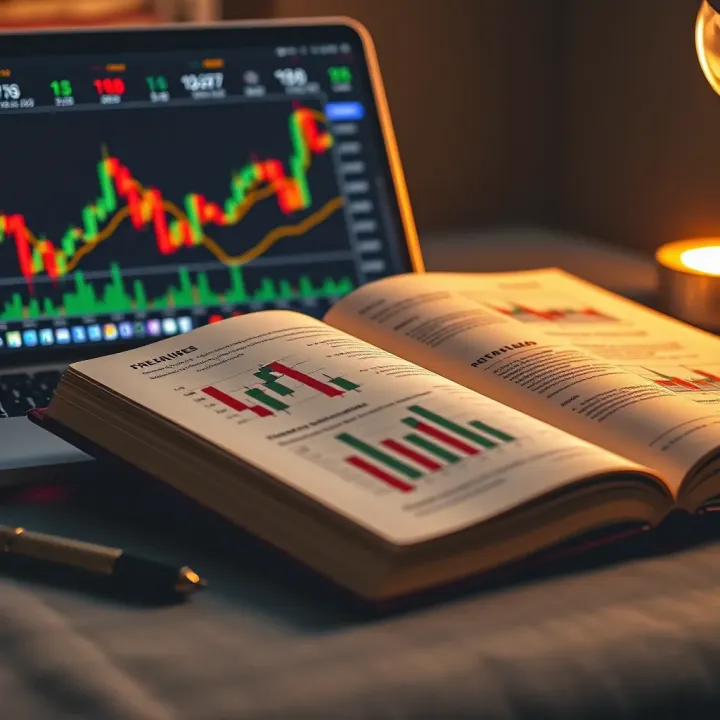
📘 Explore top forex trading books for Pakistani traders, learn key strategies, grasp market risks, and apply practical tips with local insights and online tools.
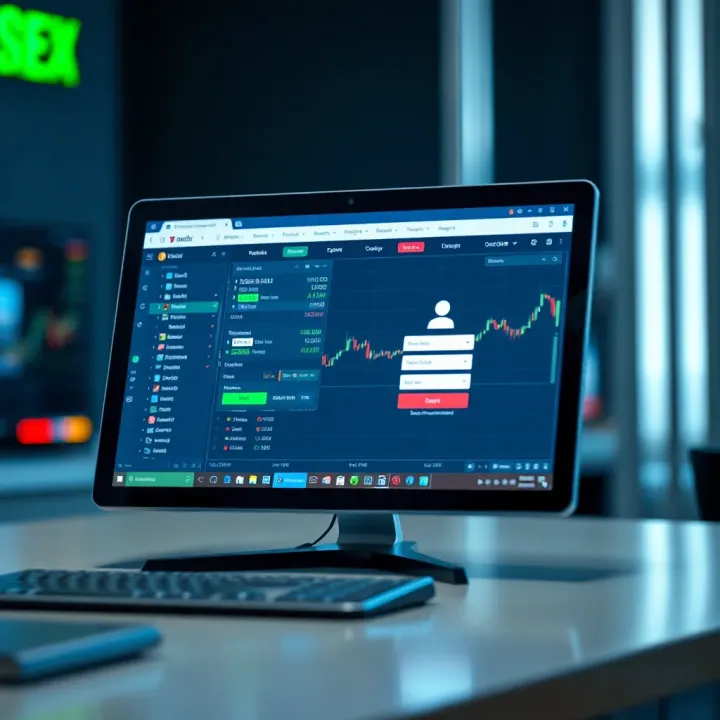
🔑 Learn how to securely log in and manage your forex trading account in Pakistan 🇵🇰. Get tips on platforms, troubleshooting, and maintaining strong account security.
Based on 12 reviews