
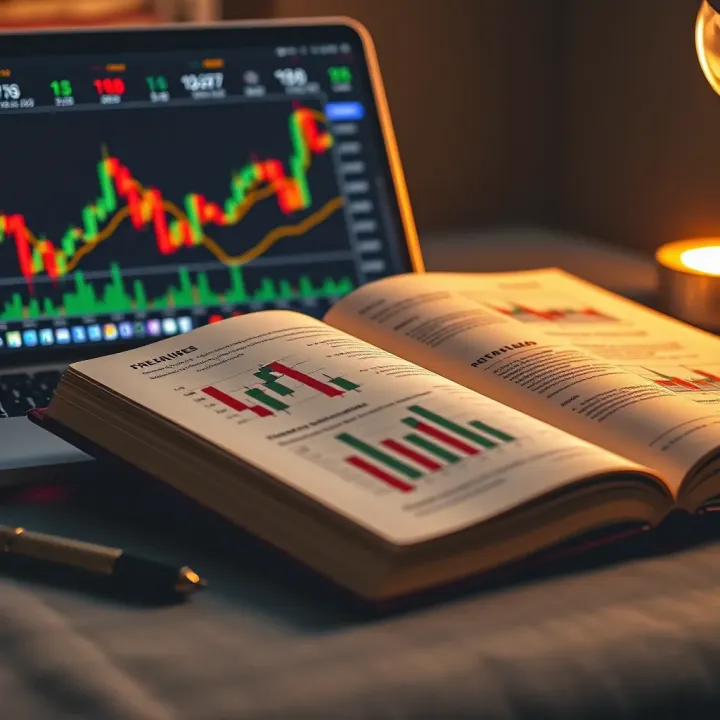
Forex Trading Books Every Pakistani Should Read
📘 Explore top forex trading books for Pakistani traders, learn key strategies, grasp market risks, and apply practical tips with local insights and online tools.
Edited By
George Baker
Forex trading, also called foreign exchange trading, means buying and selling international currencies to earn profit from their price movements. In Pakistan, forex trading has gained traction among individual traders and investors keen to diversify income sources beyond local markets and remittances.
Unlike stock trading, forex operates 24 hours from Monday to Friday worldwide, including major sessions in London, New York, and Tokyo. This nonstop nature allows traders in Pakistan to participate during their preferred hours, even amid local challenges like loadshedding.
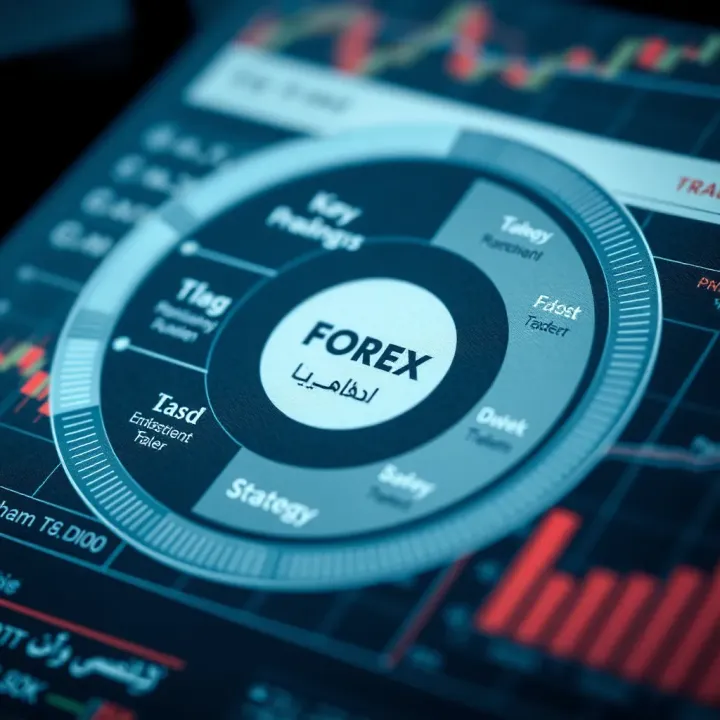
To start forex trading in Pakistan, you need to select a reliable broker registered with the Securities and Exchange Commission of Pakistan (SECP) or approved international brokers offering services here. Using platforms like MetaTrader 4 or 5 is common for accessing real-time charts and executing trades.
Trading forex demands understanding the currency pairs involved, such as USD/PKR or EUR/USD, where you speculate on whether one currency will rise or fall against the other.
Choices often centre on major currency pairs due to their liquidity and tighter spreads. For instance, trading USD/PKR involves observing factors like Pakistan's trade balance, State Bank of Pakistan (SBP) monetary policy, and remittance flows, which influence the rupee’s strength.
Beginners should focus on:
Learning basic forex terms like pips, lots, leverage, and margin
Starting with demo accounts before risking real money
Setting realistic goals and risk management rules
Keeping updated with global and local economic news that impact currency prices
Keeping these points in mind helps manage the inherent risks connected with forex markets, notably volatility and leverage exposure.
In this guide, we'll cover practical steps for Pakistani traders to enter the forex world confidently, along with strategies tailored for local conditions and advice on legal compliance.
This is meant to make forex accessible and understandable in Urdu language, considering Pakistan’s financial ecosystem and trading culture.
Understanding the basics of forex trading sets the foundation for anyone looking to explore this financial market, especially in Pakistan where interest is growing rapidly. This section explains the essential concepts to help you trade wisely and avoid common pitfalls.
Forex trading involves exchanging one currency for another to profit from their fluctuating values. For instance, a trader in Karachi might buy US dollars with Pakistani rupees aiming to sell them later at a higher price. This process resembles how you exchange money when visiting another country but happens on a much larger scale and continuously throughout the day.
Currency exchange matters because every trade reflects a real economic activity—from businesses importing goods in foreign currencies to tourists changing money. Understanding these exchanges helps traders anticipate price movements and make informed decisions rather than guessing.
The forex market is the world’s largest financial market, with a daily turnover exceeding $7 trillion. Unlike stock markets limited to certain hours, forex operates 24 hours, five days a week, cycling through major financial centres like London, New York, and Tokyo. This constant trading provides plenty of opportunities but also demands attentiveness and quick decisions.
Participants include central banks, commercial banks, financial institutions, corporations, and retail traders from Pakistan and worldwide. Knowing who influences the market helps traders identify trends. For example, if the State Bank of Pakistan adjusts monetary policy, it can impact the PKR's value against the dollar or euro.
Forex trading always involves two currencies, known as a currency pair—like USD/PKR or EUR/USD. The first currency is the base, and the second is the quote currency. A quote of 280.50 for USD/PKR means you need Rs 280.50 to buy one US dollar.
Prices fluctuate due to factors such as economic data, political events, or market sentiment. Understanding this basic structure lets Pakistani traders read quotes correctly and grasp how profits or losses occur when currency values change.
In forex, a pip is the smallest price move, usually the fourth decimal place, like 0.0001. For the USD/PKR pair, even small pip movements can lead to significant profit or loss because of the currency value.
The spread is the difference between the buying (bid) and selling (ask) price. Brokers earn from this spread, so tighter spreads mean lower trading costs. Pakistani traders should compare spreads when choosing a broker to keep expenses minimal.
Leverage allows traders to control large positions with a small amount of their own money. For example, 1:50 leverage means you can trade Rs 500,000 by investing only Rs 10,000. While this boosts potential profits, it can equally magnify losses. Wise use of leverage is critical, especially for those new to forex.
Careful study of these basic elements helps you avoid common mistakes and better manage risk, which is essential for success in the volatile forex market.
This introduction gives you the tools to understand and participate confidently in forex trading. Next sections will cover how to get started safely in Pakistan’s local environment.
Starting forex trading in Pakistan requires careful preparation. This section discusses how to pick a broker and set up your account, both key to smooth trading and protecting your funds.
Understanding the difference between local and international brokers helps you select an option that fits your needs. Local brokers tend to offer more convenience and better familiarity with Pakistani regulations, making deposits and withdrawals easier through local banks or services like JazzCash and Easypaisa. However, international brokers usually provide access to a wider range of currency pairs, advanced trading platforms, and sometimes lower spreads.
That said, the choice depends on your priorities: if you want easier customer service in Urdu and simpler payment options, local brokers could suit you. But if you are after diverse markets or specific tools, some international brokers still accept Pakistani clients. Always check their reputation and service quality.
Regulatory approval is crucial when picking a broker. The Securities and Exchange Commission of Pakistan (SECP) supervises local brokers to ensure fair practices and help avoid scams. Brokers regulated by SECP follow strict rules that protect your money and personal information.
For international brokers, approvals from reputable bodies such as the Financial Conduct Authority (FCA) in the UK or the Australian Securities and Investments Commission (ASIC) provide additional trust. Trading through an unregulated broker, whether local or international, exposes you to higher risk of fraud or unfair trading conditions.
The account setup process involves submitting official documents for verification. In Pakistan, your Computerised National Identity Card (CNIC) and National Tax Number (NTN) are typically required to confirm your identity and comply with anti-money laundering rules. This verification step might seem tedious but it's important to keep your account secure and meet legal requirements.
Funding your trading account is easier now thanks to Pakistani payment platforms. Many brokers accept transfers via bank accounts of major Pakistani banks, or you can use popular mobile wallets like JazzCash and Easypaisa. This means you don't have to worry about complicated international bank transfers or high fees.
Besides safety, using local payment methods speeds up deposit and withdrawal processes, so you can manage your trading funds more efficiently. Ensure your broker supports these payment options before opening an account. Also, always keep track of any extra fees that might apply.
Choosing the right broker and correctly setting up your account with verified documents and local payment methods helps you trade forex with confidence and efficiency in Pakistan.
In forex trading, using effective strategies and practical tips can greatly improve your chances of success. Pakistani traders face unique market conditions, such as sudden news from the region or high volatility during global crises, so having a solid strategy helps in navigating these fluctuations. This part covers essential strategies including technical and fundamental analysis, plus crucial risk management practices that protect your capital.
Traders rely on different chart types like candlestick, line, and bar charts to visualise currency price movements. Candlestick charts are especially popular due to the clear information they provide about open, close, high, and low prices in a given time frame. When combined with indicators like moving averages, RSI (Relative Strength Index), and MACD (Moving Average Convergence Divergence), these charts help identify trends and possible reversals. For example, using a 50-day moving average can show whether the USD/PKR pair is generally moving up or down, aiding traders to decide when to enter or exit trades.
Support and resistance act as price barriers. Support is the price level where currency tends to stop falling and starts rising again, while resistance is where rising prices stall and may fall back. Identifying these levels helps traders set entry and exit points. Consider the EUR/USD pair holding a support level around 1.1000; many may place buy orders near this, expecting a bounce. Similarly, resistance levels signal a good time to sell or take profits. This technique prevents trading on impulse and improves discipline.
Currencies respond to economic data released by countries. Important indicators include inflation rates, interest rates, GDP growth, and employment figures. For instance, if Pakistan's inflation rate rises unexpectedly, the State Bank of Pakistan (SBP) may adjust interest rates, which in turn affects the PKR's strength against other currencies. Traders who follow these reports closely can anticipate market moves instead of reacting late.
Political stability, elections, trade agreements, and regional conflicts profoundly impact currency values. An example is how tensions along the Pakistan-India border influence the PKR’s volatility. Similarly, announcements regarding CPEC projects or government policy changes can cause sharp movements. Awareness of such developments allows traders to manage exposure or avoid risky positions during uncertain times.
Setting stop-loss orders limits potential losses by automatically exiting a trade at a predetermined price. Likewise, take-profit points lock in gains when the price reaches a target. For example, if you buy USD/PKR at 280 and set a stop-loss at 275, the trade closes automatically if the price falls to 275, protecting your capital. These tools enforce discipline and prevent emotional decisions, which often lead to heavy losses.
Leverage lets you control a large position with a small amount of capital, but it amplifies both profits and losses. Using excessive leverage without a solid strategy can quickly wipe out your account. Pakistani traders often get tempted to use high leverage offered by some brokers, but it's safer to keep it low (around 10:1 or less) until you’re confident. Respecting leverage limits helps you survive market ups and downs longer and grow steadily.
Smart trading is not about winning every trade but managing risks so you stay in the game for the long run. Using these strategies and tips creates a foundation to trade forex more confidently in Pakistan's dynamic market.
Forex trading offers opportunities, but it comes with serious risks that every trader in Pakistan should understand clearly. Knowing these risks helps you make better decisions, protect your capital, and avoid costly mistakes.
How sudden news moves markets
Markets can react sharply to breaking news like political developments, central bank announcements, or global events. For instance, when the State Bank of Pakistan (SBP) changes the policy rate unexpectedly, it can cause the Pakistani rupee to fluctuate rapidly. Such news causes traders worldwide to buy or sell currency quickly, leading to steep price changes within minutes.
These sudden moves are important because they can drastically impact open positions, resulting in unexpected profits or losses. If you are holding US dollar/PKR overnight and SBP announces a rate cut, the rupee might weaken, benefiting long positions on USD but hurting short-sellers.
Dealing with unexpected price swings
Price swings are a natural part of forex but can be dangerous without proper risk control. To manage this, employ stop-loss orders to limit losses if the market moves against you. For example, if you enter a EUR/USD trade at 1.1000, setting a stop-loss at 1.0950 prevents excessive loss when the market shifts unexpectedly.
Experienced traders also avoid trading during highly volatile sessions without a strong edge, such as before major announcements. Keeping position sizes small and not over-leveraging helps too. If you trade with Rs 50,000 using 1:100 leverage, a tiny 1% adverse move can wipe out a large chunk of your capital, so cautious risk management is crucial.
Identifying fraudulent brokers and offers
Scams are common in forex worldwide, and Pakistani traders need to be alert. Fraudulent brokers often promise guaranteed profits or ask for upfront large deposits without proper licensing. A red flag is when a broker is not registered with SECP or foreign regulators like FCA or CySEC.
Also, be wary of unsolicited calls or social media ads claiming to offer secret trading formulas. Real trading requires learning, practice, and patience, not shortcuts or magic.
Safe trading practices
To trade safely, choose brokers regulated by SECP or respected overseas bodies. Always verify broker credentials and read user reviews. Fund your account through secure channels like local banks or trusted wallets such as JazzCash and Easypaisa.
Never share your trading account credentials with anyone. Use two-factor authentication where possible and keep your devices protected against malware. Finally, always start with demo accounts or small amounts until you get comfortable.
Staying aware of market volatility and scam risks is key to surviving and thriving in forex trading. Protect your capital by managing risks sensibly and choosing trustworthy brokers.
By keeping these points in mind, Pakistani traders can handle common forex challenges better and improve their chances for long-term success.
Understanding the legal and tax environment is essential for forex traders in Pakistan. This knowledge ensures you operate within the law and avoid costly penalties. The Securities and Exchange Commission of Pakistan (SECP) governs forex trading activities, while the Federal Board of Revenue (FBR) oversees taxation. Navigating these aspects carefully will help you build a sustainable trading practice.
Forex brokers operating within Pakistan fall under a legal framework set by the SECP. This framework defines licensing requirements, operational standards, and reporting duties that brokers must comply with to serve Pakistani clients. Traders benefit because this oversight introduces a layer of accountability. For example, regulated brokers must segregate client funds from their own, reducing the risk of fraud or mismanagement.
Regulation also protects traders by ensuring brokers maintain transparent pricing and avoid unethical practices such as price manipulation or excessive leverage beyond specified limits. If a dispute arises, SECP provides mechanisms for addressing grievances, which can save traders from lengthy and expensive legal battles. In short, dealing with SECP-licensed brokers adds a level of trust.
Profit from forex trading is considered taxable income in Pakistan. When you earn through currency trading, you are required to declare your earnings in your annual income tax return. Failure to report can lead to fines or scrutiny by tax authorities. Many traders overlook this step, but the FBR closely monitors such income sources now.
The FBR has clarified that forex trading profits fall under the head of business or other sources in the income tax ordinance. This means you must keep records of trades, deposits, withdrawals, and account statements to support your tax filing. For instance, if you make Rs 5 lakh profit through forex trading in a financial year, you must add that amount to your taxable income and pay tax according to the applicable slab.
It’s wise to maintain meticulous records and consult a tax professional familiar with forex trading to ensure compliance and optimise your tax position.
The FBR also requires that you pay any applicable withholding tax on deposits or withdrawals related to forex trading accounts, especially with international brokers. This step helps keep your transactions smooth and avoids confusion or blockages in funds transfer, which happens when documentation is incomplete.
By understanding SECP regulation and FBR taxation clearly, you not only protect yourself legally but also position your trading activity for long-term success in Pakistan’s financial ecosystem.
Access to quality educational resources in Urdu plays a key role for Pakistani traders who want to enter forex trading confidently. Since forex involves complex concepts like leverage, technical indicators, and economic factors, learning these in your own language removes barriers and improves understanding. With so many scammers around, reliable resources can protect you from misinformation while sharpening your trading skills.
Trusted Urdu language forex learning platforms offer articles, tutorials, and market updates designed especially for Pakistani traders. Sites tailored to local markets often explain how international forex trends connect with Pakistan’s economy. For example, platforms like ProPakistani and Forex.pk publish content in Urdu that breaks down forex jargon into clear, actionable advice. Video tutorials on YouTube by Pakistani traders also provide step-by-step guidance on opening accounts, placing trades, and interpreting charts, which many beginners find easier to follow than dense text.
These resources are particularly helpful if you want to learn at your own pace or revisit complex topics multiple times. They often cover common challenges faced specifically in Pakistan, such as using JazzCash or Easypaisa to fund accounts or navigating SECP regulations.
Community forums and groups for Pakistani traders create a space where you can share experiences and ask questions directly related to local conditions. Joining Telegram groups, Facebook communities, or WhatsApp chatrooms focused on Urdu forex discussions lets you interact with fellow traders who may have insights about market moves during bank holidays or responses to SBP monetary policy changes. This peer exchange can reveal practical tips that don’t always appear in formal courses.
Forums also help you stay alert to forex scams targeting Pakistani traders by sharing warnings about fraudulent brokers or unrealistic profit claims. Active communities keep discussions grounded in real market behaviour, improving overall trader awareness.
Popular Urdu books on forex trading act as structured references that cover all essential topics—from basics to advanced strategies. Writers like Hafiz Salman Ahmed and Aftab Bashir have produced well-regarded titles explaining forex concepts in straightforward Urdu. Reading these books offers the benefit of approaching concepts systematically and reinforcing your knowledge without distractions common on social media.
Books provide a solid foundation, especially if you prefer offline study or want to complement video lessons. You can also find them in local bookstores or online marketplaces like Daraz, making them accessible even outside big cities.
Online courses and webinars have surged in popularity, offering interactive learning experiences with quizzes, live sessions, and personalised feedback. Providers like Udemy and local financial education institutes occasionally launch courses in Urdu targeting Pakistan’s forex market. Webinars conducted by experienced Pakistani traders or analysts can focus on recent market developments, helping you quickly adapt trading techniques.
Besides flexible timing, these courses often cover how to use trading platforms common in Pakistan, such as MetaTrader 4, how to manage risk during times of PKR volatility, or how to comply with local tax regulations. This practical approach helps bridge theory and daily trading.
For Pakistani traders, tapping into Urdu-language forex learning resources not only builds confidence but also equips them to navigate both international markets and the specific challenges of trading from Pakistan.
📘 Explore top forex trading books for Pakistani traders, learn key strategies, grasp market risks, and apply practical tips with local insights and online tools.
📊 Discover how forex trading signals guide Pakistani traders with timely alerts, reliable providers, types of signals, risks, and tips for smart trading decisions.
Learn forex trading in Urdu 🇵🇰 with practical tips for beginners in Pakistan. Understand market basics, strategies, broker selection, and risk management clearly.
Learn how demo trading apps let Pakistani traders practise market moves without risk. Get tips on choosing the best app to sharpen skills 📱📊 before real trades.
Based on 12 reviews